
 简体中文
 Русский
 Français
 Português
 Español
 لالعربية


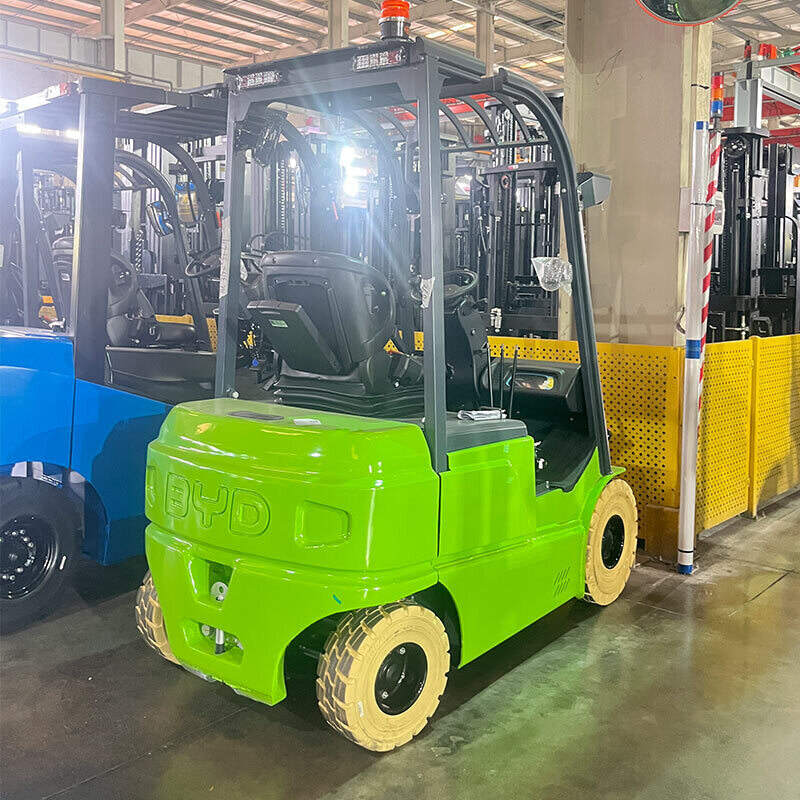
With the continuous popularization of low-carbon operation concepts in logistics and manufacturing industries, electric forklifts have become one of the most commonly used material handling facilities in indoor storage centers, production workshops and regional distribution stations. Most frontline operators and warehouse managers need systematic, practical guidance to maximize the value of the equipment while keeping daily operation safe and stable.
Core Functional Features of Modern Electric Forklifts
Different from traditional internal combustion powered handling equipment, electric forklifts run on clean electric energy, which produces no exhaust emission during the whole working process, and generates much lower operating noise that fits closed indoor working environments well. Most current mainstream products support adjustable operation modes to match different load weight and moving speed demands, which can effectively reduce extra energy consumption under no-load or light-load working conditions to cut long-term operation costs.
Standard Daily Operation Specifications
Operators need to complete full pre-operation checks before starting the equipment for each shift, including confirming remaining power level, brake sensitivity, tire wear condition and fork structure integrity. During the operation process, it is not recommended to carry loads beyond the officially marked rated load range, and avoid sharp steering or sudden braking when the load is lifted to a high position that may cause side tipping risk. After finishing daily work tasks, operators should park the equipment in the designated special area, lower the fork to the ground position, cut off the main power supply and complete simple surface cleaning work.
Routine Maintenance Suggestions
Regular targeted maintenance work can effectively extend the stable service cycle of electric forklifts. Users need to clear the dust and debris accumulated on the surface of the power unit and drive components every 1 to 2 weeks, check the connection tightness of the power circuit regularly to avoid poor contact caused by long-term operation vibration. For the energy storage power pack, follow the official recommended charging rules to avoid long-term deep discharge, which can keep the overall power performance at a stable level for a longer period. Reasonable operation and proper maintenance can help enterprises give full play to the advantage of electric forklifts, and create safer and more efficient material handling conditions for different work scenarios.


