
 简体中文
 Русский
 Français
 Português
 Español
 لالعربية


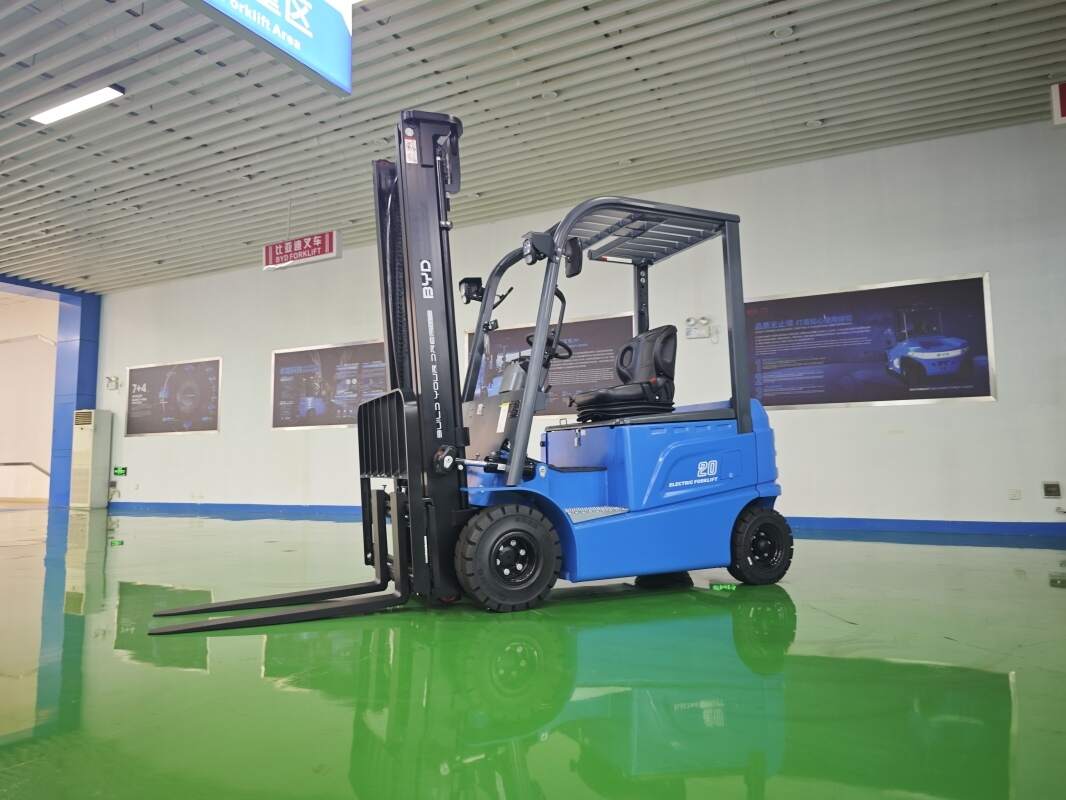
As low-carbon logistics development accelerates across global industrial sectors, electric forklifts have gradually become the mainstream material handling equipment for most warehouse, manufacturing and distribution scenarios, replacing a large proportion of traditional internal combustion handling equipment. Mastering correct use and management methods can help relevant teams give full play to the value of the equipment and avoid unnecessary operational risks.
Core Application Scenario Adaptation Rules
Electric forklifts are more suitable for closed or semi-indoor working environments with high requirements for air quality and noise control, such as food storage workshops, pharmaceutical distribution centers and e-commerce sorting warehouses. When operating in these scenarios, operators need to pay attention to the load limit marked on the equipment nameplate, and avoid overloading that may cause damage to the driving motor or lifting hydraulic system. For scenarios with special requirements such as low temperature or high humidity, relevant protection measures need to be taken for the core power components according to the actual environmental parameters, to reduce the impact of harsh environment on the normal operation of the equipment.
Standardized Operation Points for Daily Shifts
Before each shift, operators need to complete a quick inspection of the equipment, including checking the remaining power of the power system, the flexibility of the braking device, the integrity of the warning light and the smoothness of the lifting gantry. During the operation, keep a safe distance from surrounding goods and passing personnel, avoid sharp turns or sudden braking when carrying heavy loads, and do not allow personnel to stand or walk under the lifted forks. After the shift is over, the equipment should be parked in the designated special area, the forks should be lowered to the lowest position, and the power supply should be disconnected to avoid potential safety hazards caused by long-term standby power consumption.
Routine Maintenance Methods to Reduce Operating Costs
Regularly clean the dust and debris accumulated on the surface of the power system and walking components, check the wear degree of the walking tires and replace the worn parts in time according to the actual use frequency. For the power battery that is the core component, follow the correct charging process, avoid over-discharging or over-charging for a long time, and arrange professional personnel to conduct regular performance tests on the battery pack to maintain the overall working state of the equipment. Reasonable daily maintenance can effectively extend the service life of the equipment and reduce the unexpected downtime rate in daily work.


