
 简体中文
 Русский
 Français
 Português
 Español
 لالعربية


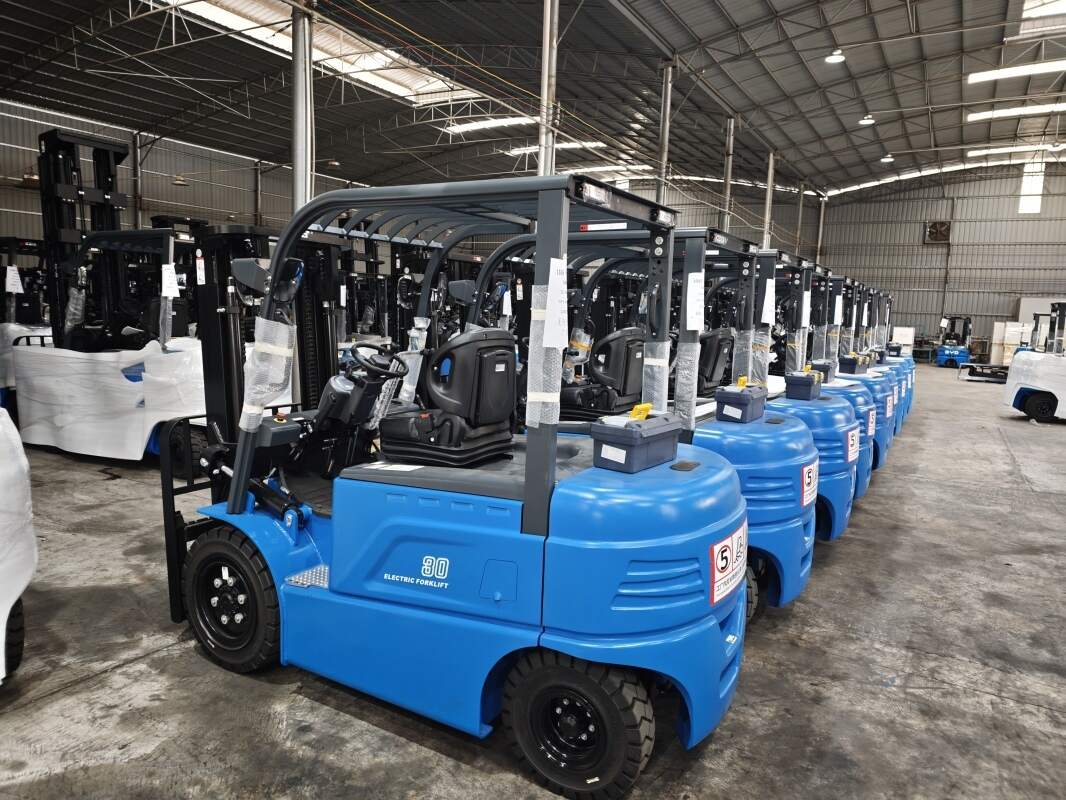
As the logistics and warehousing industry continues to pursue low-carbon operation and cost control, electric forklifts have gradually become one of the most common material handling equipment in indoor and closed working scenarios. Different from traditional internal combustion forklifts, electric forklifts rely on power battery drive system to complete cargo stacking, horizontal transportation and other work, and their operation logic and maintenance requirements have distinct characteristics that new operators need to master systematically.
Core Functional Characteristics of Electric Forklifts
Compared with fuel-powered counterparts, electric forklifts produce no exhaust emission during operation, which can avoid air pollution in enclosed warehouse spaces that affect the health of on-site staff. The overall noise level during running is also significantly lower, which helps create a relatively comfortable working environment for operators and surrounding staff. Most structural components of electric forklifts have fewer moving friction parts, which reduces the daily wear and tear under normal use conditions, and the long-term operating cost is relatively controllable for most warehouse operation teams.
Standard Operational Specifications for Daily Use
Before starting the equipment every shift, operators need to check the remaining power level of the battery, the flexibility of the lifting system, the sensitivity of the brake device and the normal operation of the light prompt components. It is not recommended to carry over-limit overweight goods beyond the rated load capacity of the equipment, otherwise it may affect the stability of the vehicle body during the process of lifting or turning. When working in narrow warehouse aisles, operators need to control the driving speed within a safe range, and pay close attention to the surrounding pedestrians and stacked goods to avoid accidental collision. After the daily work is completed, the equipment should be parked in the designated charging area, the power switch should be turned off, and the fork should be lowered to the lowest position to avoid potential safety hazards.
Routine Maintenance Suggestions for Stable Long-term Operation
For the power battery part, it is recommended to follow the corresponding charging operation specifications in the equipment manual, avoid long-term over-discharge or long-term continuous overcharging, and regularly check the tightness of the wiring interface to avoid poor contact. The dust and debris attached to the surface of the vehicle body should be cleaned regularly, and the wear degree of the tires, bearings and transmission parts should be checked at regular intervals according to the actual operation frequency. For parts that need regular lubrication, add professional lubricating oil according to the specified cycle to reduce friction loss during operation, which can effectively extend the overall service life of the equipment.


