
 简体中文
 Русский
 Français
 Português
 Español
 لالعربية


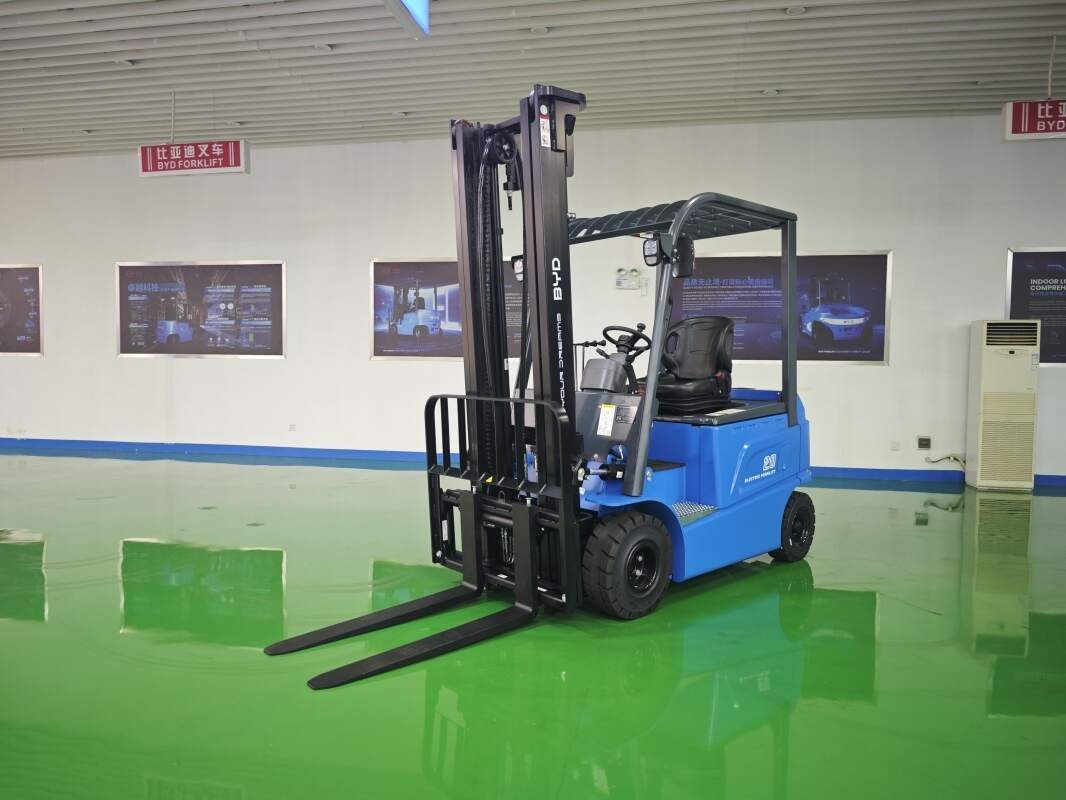
As the logistics and industrial storage industry continues to pursue low-carbon, stable operation modes, electric forklifts have become one of the most widely used material handling equipment in various working scenarios in recent years. Mastering systematic professional knowledge related to electric forklifts can help frontline operators and equipment managers give full play to equipment performance, control unnecessary operating costs, and avoid common hidden safety risks in daily work.
Core Performance Characteristics of Electric Forklifts
Different from internal combustion powered counterparts, electric forklifts are driven by pure electric systems, which produce almost no exhaust emissions during the whole operation process, and the overall operating noise remains at a relatively low level. Most current mainstream models adopt long-cycle energy storage power units, which can meet the continuous operation needs of medium and low intensity working conditions within 8 hours after full charging. The overall structure of walking and lifting system is relatively compact, which is suitable for narrow operation channels in indoor enclosed spaces.
Standard Daily Operation Specifications
Before starting the equipment each time, operators need to check the remaining power status, flexibility of the lifting hydraulic system, braking sensitivity and wear degree of walking wheels in sequence, and confirm no abnormal obstacles around the operation route before starting. During operation, the lifting and lowering speed of goods should be kept stable, avoid sudden steering or sudden braking actions when goods are at high position, and the load weight should be controlled within the rated load range marked on the equipment nameplate, to avoid tilt or slippage of goods. After daily operation, the equipment should be parked in the designated special area, the power supply should be cut off, and the fork should be lowered to the lowest horizontal position to avoid accidental injury to passing personnel.
Routine Maintenance Essentials
In the daily maintenance process, operators only need to regularly clean the dust and debris accumulated on the body surface and the heat dissipation part of the power system, check the connection tightness of each wiring interface, and replenish lubricating oil for the rotating hinge part of the gantry according to the specified cycle. For the energy storage unit, avoid over-discharging the power to less than 10% of total capacity for a long time, and arrange regular full charge and discharge maintenance according to actual usage frequency, so as to extend the overall service life of the equipment.


