
 简体中文
 Русский
 Français
 Português
 Español
 لالعربية


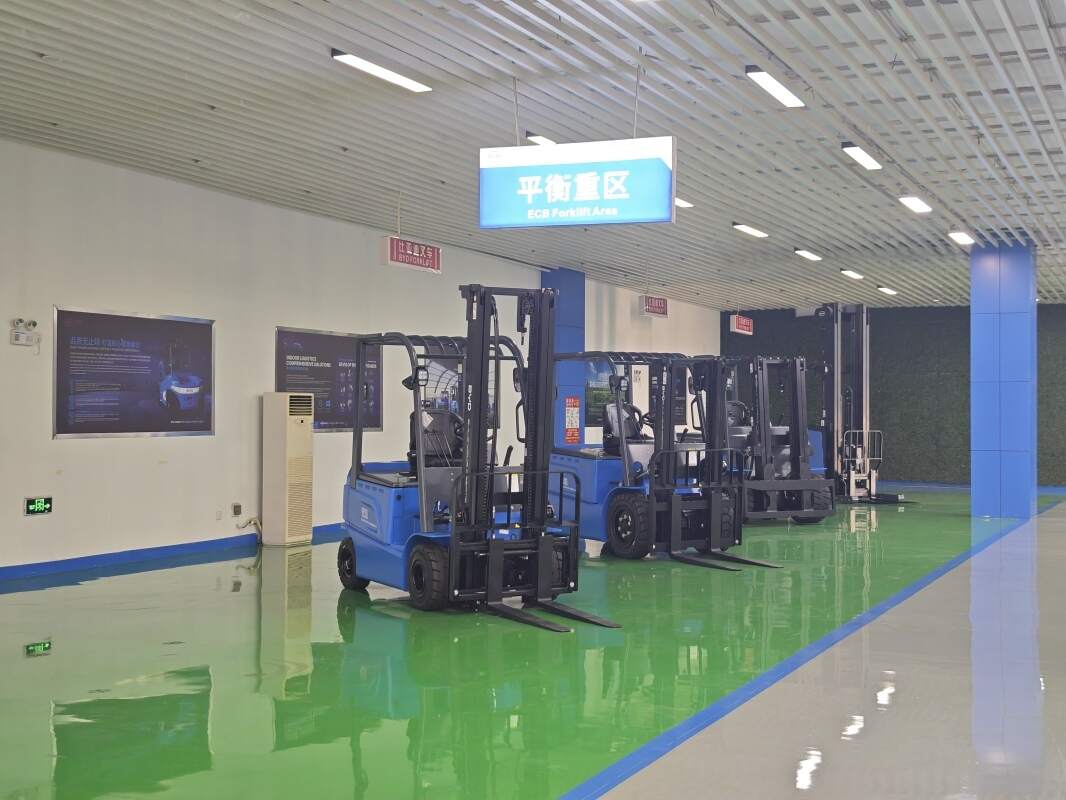
With the continuous development of green logistics concepts, electric forklifts have been widely adopted in various warehousing, manufacturing and distribution scenarios in recent years, as they fit the low-carbon development trend of the whole industry. Most practitioners in the material handling field need systematic and practical guidance to maximize the value of this type of equipment.
Core Performance Advantages of Electric Forklifts
Different from fuel-powered handling equipment, electric forklifts get full power from on-board battery packs, which produces zero local exhaust emission during operation. The overall running noise of qualified products stays at a relatively low level, so they are very suitable for enclosed indoor work scenarios such as pharmaceutical storage, fresh food sorting workshops and e-commerce fulfillment centers. Compared with similar fuel equipment, its unit energy consumption cost in long-term frequent use is at a relatively low level, which can help operation teams control daily running expenditure properly.
Key Points of Daily Routine Maintenance
Regular proper maintenance can effectively extend the service life of electric forklifts and reduce unexpected downtime. Operators need to check the connection status of battery poles regularly, wipe off accumulated dust and residual liquid on the surface of battery components to avoid poor contact or short circuit risks. After each shift, it is recommended to charge the equipment in time to keep the battery power in a reasonable range, and avoid frequent deep power loss which may affect the overall performance of the battery pack. Besides, teams need to check the sealing performance of the hydraulic lifting system, the wear degree of walking tires and the flexibility of steering components at fixed intervals, clear sundries stuck in the gap of the car body in time.
Standard Operation Specifications for Safe Use
All personnel who operate electric forklifts should receive standardized pre-job training, to fully grasp the operation logic and safety limit parameters of the equipment. Before each formal operation, operators need to test the braking system, warning light and acousto-optic reminding device first, to confirm all components are in normal working state. When passing through narrow warehouse aisles or turning at blind corners, operators should slow down in advance and avoid sudden acceleration. During the handling process, the actual load should not exceed the rated load range of the equipment, and the lifting height of the goods should not exceed the safety limit specified in the operation manual, to reduce the risk of cargo falling or vehicle tipping. Scientific application and management of electric forklifts can bring stable handling support for the whole logistics operation system, and create more reliable value for the daily operation of material handling scenes.


