
 简体中文
 Русский
 Français
 Português
 Español
 لالعربية


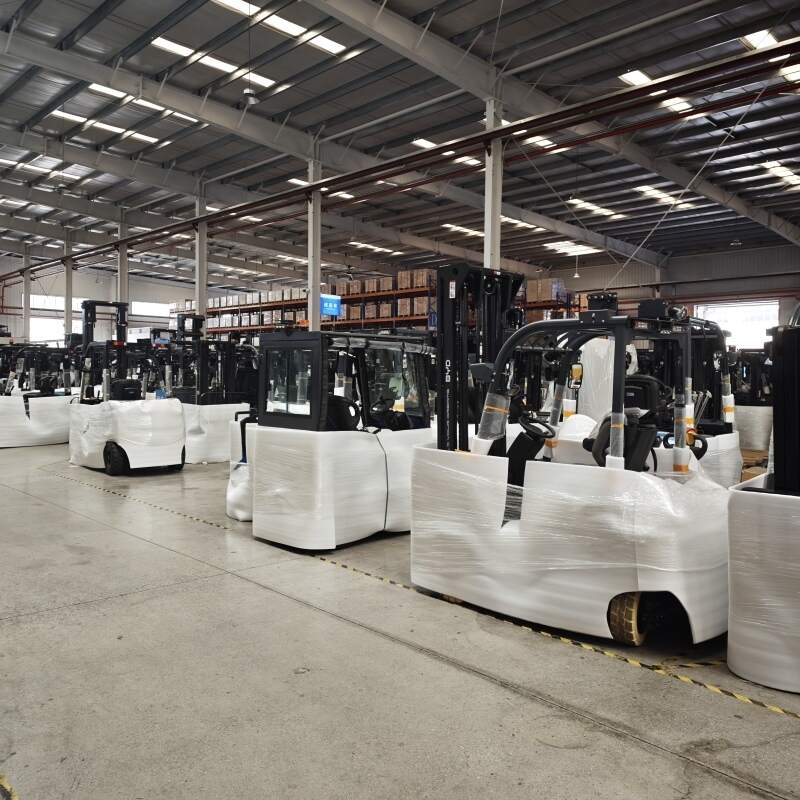
As low-carbon transformation becomes a core trend across global warehouse and manufacturing sectors, electric forklift has turned into one of the most widely applied material handling equipment for daily operation. Many operation teams lack systematic and clear guidance on standard usage, regular maintenance and risk prevention, which may cause extra equipment wear, hidden safety hazards and unnecessary cost increase over long-term operation. This guide sorts out core practical points covering full lifecycle daily application, to help practitioners get the most stable performance out of the equipment.
Core Operating Best Practices for Daily Usage
Before each startup, operators need to complete a quick visual check on key parts, including tire condition, brake response, power level and lifting component tightness, to rule out obvious hidden problems at the very beginning. During formal operation, it is not recommended to carry loads exceeding the rated load capacity, and operators should slow down obviously when making turns, passing narrow aisles or moving on sloped surfaces, to avoid cargo falling or side slip caused by sudden direction change. It is also suggested to turn off the main power switch when the equipment sits idle for more than 15 minutes, to avoid unnecessary power consumption and accidental touch of control levers by unrelated personnel.
Routine Maintenance Protocols to Extend Service Life
Regular surface cleaning is a basic but easily ignored step, operators need to clear accumulated dust, packaging residue and sundries on the equipment body, especially the heat dissipation area of the power unit, to avoid overheating caused by blocked ventilation. Teams should arrange personnel to check the power unit status following the manufacturer’s recommended interval, avoid over discharge of the battery, and arrange timely supplementary charging after the daily operation shift. It is also necessary to inspect the sealing condition of the hydraulic system at fixed cycle, adjust the tension of lifting chains regularly, and calibrate the steering sensitivity every three months, to prevent small hidden faults from evolving into costly major repairs.
Safety Optimization for High-frequency Operation Scenarios
All operators need to complete full systematic skill training before taking post, to master correct operation posture and emergency response methods under abnormal conditions. During operation, operators should keep the mast tilted back appropriately when lifting cargos, and no personnel are allowed to stay or walk under the suspended forks for any reason. Operation teams can also mark clear driving routes in the working area, separate the moving lines of forklifts and walking workers, and update obvious safety warning signs at blind corners and aisle intersections, to reduce collision risks effectively. For special working environments with extremely low temperature or high humidity, teams can take targeted protective measures for the equipment, to make sure it adapts to the ambient conditions well. Building a standardized operation and management system can effectively lower the long-term operation cost, and improve the overall material handling efficiency for different types of industrial sites.


