
 简体中文
 Русский
 Français
 Português
 Español
 لالعربية


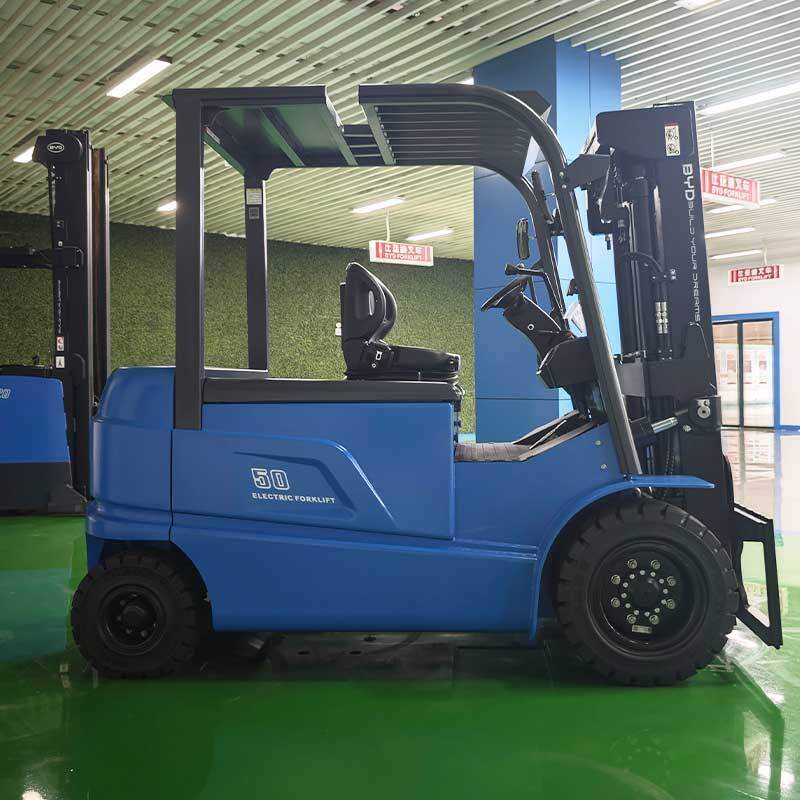
As zero-emission material handling equipment gains wider adoption in modern logistics, manufacturing and retail storage scenarios, electric forklifts have gradually become the preferred option for most sites that pursue low operating noise and low long-term energy consumption. This guide sorts out core practical knowledge covering daily operation, routine maintenance and scenario matching to help relevant practitioners improve use efficiency without unnecessary extra cost.
Core Operation Norms for Daily Use
When starting the electric forklift, operators need to complete a pre-check including power system status, brake flexibility, tire surface condition and warning light display before formal operation, instead of directly starting the handling process. During the operation process, operators should avoid sudden acceleration, sudden steering or frequent sharp brake actions, which will cause extra wear to the motor, battery and brake components. For indoor operation scenes, operators need to keep the running speed within the specified safe range, and pay close attention to the surrounding pedestrian movement and passage barrier conditions to avoid safety risks caused by blind spots. Operators should also arrange the goods on the fork platform evenly to avoid partial overweight that may cause side tipping risk in the moving process.
Routine Maintenance Points to Extend Service Life
Unlike internal combustion forklifts, electric forklifts focus more on the maintenance of power modules and electrical connection components. Operators can wipe the surface of the battery pack regularly with dry soft cloth to avoid dust, water stain or sundries accumulation on the connection port, which may cause poor contact or extra power loss. It is suggested to arrange professional personnel to check the aging degree of wiring harness and the calibration accuracy of control system every fixed cycle, so as to find potential small faults in early stage, and avoid unplanned shutdown that affects the normal operation of the whole logistics process. Daily storage should choose dry, ventilated area with stable ambient temperature, avoid long-term exposure in high temperature or extremely low temperature environment, which will affect the overall performance of the power unit.
Scenario Matching Suggestions for Different Sites
For closed indoor storage sites with high requirements for environmental cleanliness, electric forklifts can well meet the emission and noise control standards. For sites with frequent high-intensity continuous handling demands, it is recommended to choose power configuration that matches the daily working hours, to avoid frequent over-discharge operation that accelerates the attenuation of power components. Users can adjust the corresponding operation parameters according to the actual load weight, passage width and operation frequency of their own sites, to give full play to the use value of electric forklifts under the premise of complying with safety operation specifications.


