
 简体中文
 Русский
 Français
 Português
 Español
 لالعربية


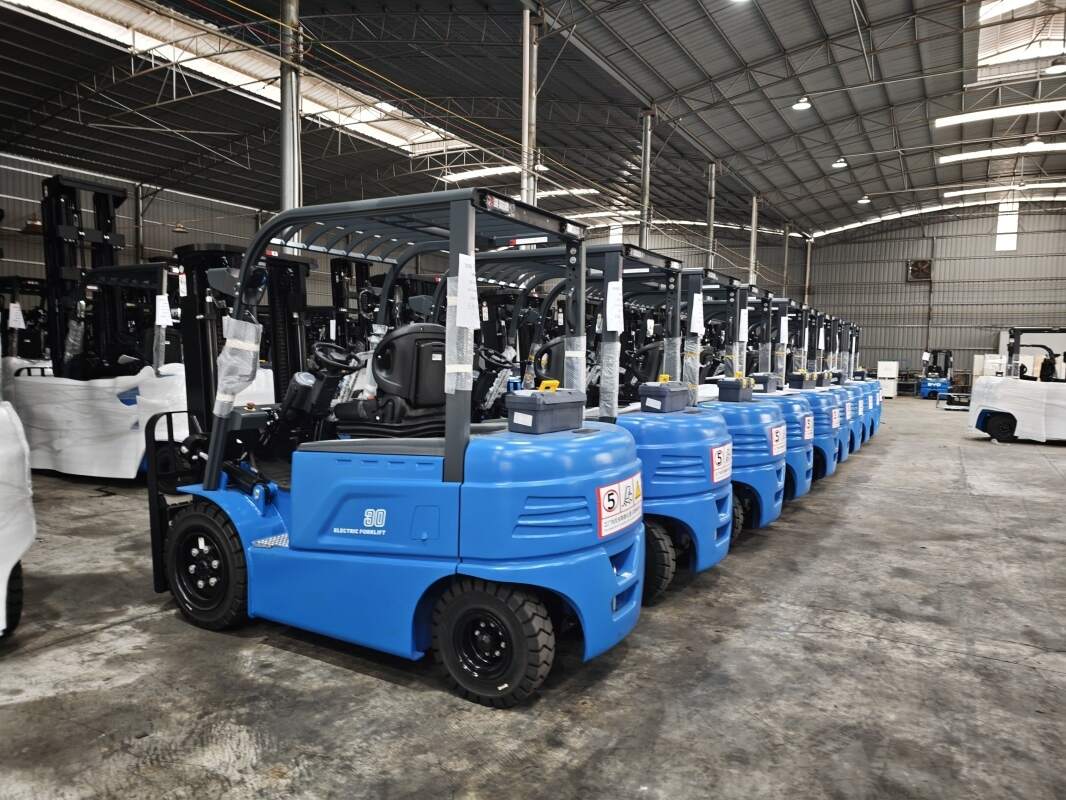
With the growing demand for low-carbon industrial logistics, electric forklifts have become one of the most widely applied material handling equipment in warehousing, manufacturing and distribution sectors, and mastering standardized operation and management knowledge can help teams fully release the equipment’s application value.
Core Pre-operation Check Specifications
Before starting each shift’s operation, operators need to complete a series of basic inspections to avoid potential hidden risks. The inspection scope covers the status of power system, brake performance, steering flexibility, tire wear condition and the integrity of safety warning components. Operators should also confirm that the surrounding operation area has no irrelevant obstacles or personnel before moving the equipment, to reduce the probability of accidental collisions. They can also verify the lifting and descending function of the fork frame briefly before formal loading tasks, to make sure all moving parts run smoothly without abnormal stuck or noise.
Common Daily Maintenance Best Practices
Regular daily maintenance helps keep the equipment in stable running condition for a longer period. Operators should clean the surface dust and accumulated debris on the equipment body after finishing daily work, check the remaining power level of the battery and arrange charging according to the specified operation guidelines, avoid over-discharging or overcharging that may affect the overall service life of the power unit. It is also recommended to arrange regular professional inspection for core components at a fixed cycle, to replace worn parts in time when abnormal signs are detected, reducing unnecessary downtime caused by sudden equipment failure.
Energy Efficiency Optimization Tips for Long-term Usage
Reasonable operation habits can effectively reduce energy consumption and extend the single shift working duration of the equipment. Operators should avoid frequent sharp acceleration or sudden brake during the driving process, keep the load weight within the rated bearing range of the equipment, and arrange operation routes in advance to reduce unnecessary repeated driving. Proper adjustment of the load lifting speed according to actual operation needs can also cut extra power loss, improving the overall operation efficiency of the whole team and lowering the long-term operation cost of logistics sites.
Scenario Matching Principles for Different Application Environments
Different working scenarios have different requirements for the performance parameters of electric forklifts. For narrow aisle warehousing scenes, operators can choose equipment with proper body width and turning radius to improve space utilization rate. For outdoor operation scenes, operators need to confirm that the equipment has corresponding dustproof and waterproof performance to adapt to complex weather and road conditions. Staff can make reasonable adjustment of operation rules according to actual working environment, to give full play to the advantages of low noise and zero local emission of electric forklifts.


