
 简体中文
 Русский
 Français
 Português
 Español
 لالعربية


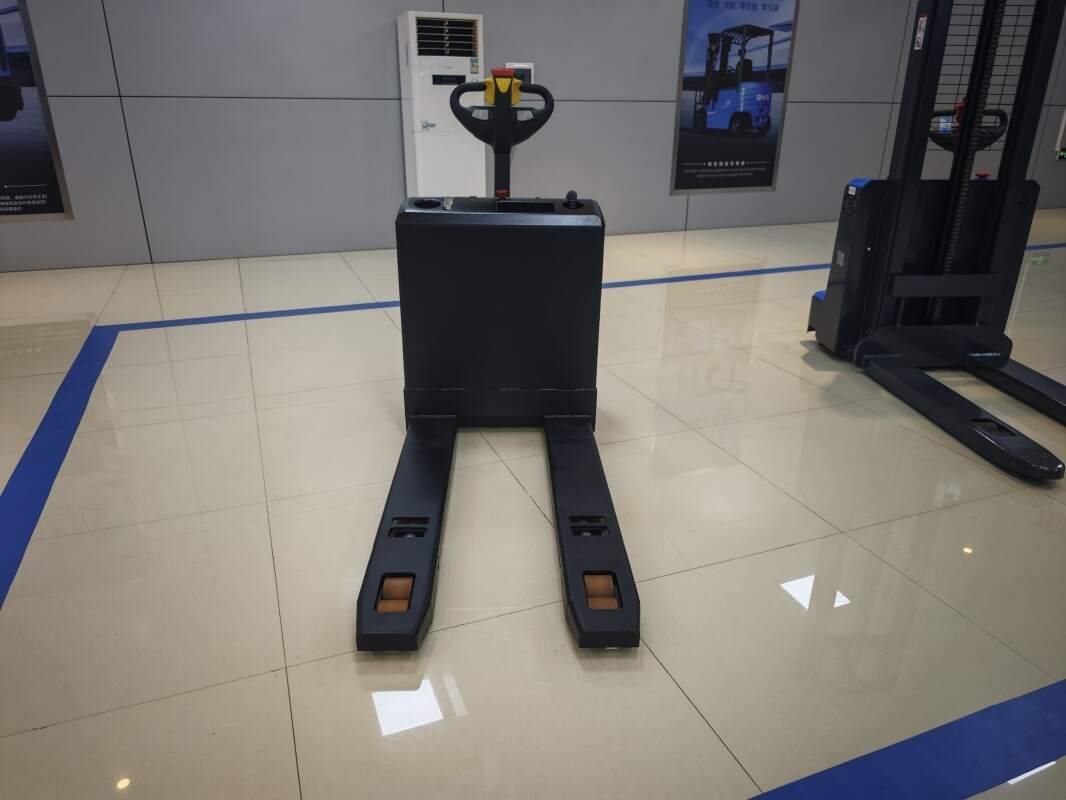
As a widely applied material handling equipment in modern logistics and industrial scenarios, electric forklifts have been continuously optimized in performance in recent years to adapt to diversified production and operation demands. Mastering systematic relevant knowledge can help operation teams give full play to the value of the equipment and reduce unnecessary operation risks.
Core Performance Features of Modern Electric Forklifts
Different from traditional internal combustion handling vehicles, electric forklifts rely on electric power drive systems to complete all handling actions, with relatively low noise level and no exhaust emission during operation. Most of the current mainstream products are designed with ergonomic operation consoles, which can reduce the physical fatigue of operators after long hours of continuous work. The load capacity of conventional models can meet the daily handling demands of most warehouse, manufacturing and port transfer scenarios, and the body size can be adjusted according to the space constraints of different working sites.
Standardized Daily Operation Requirements
Before starting each shift of operation, operators need to conduct basic inspection of the equipment, including checking the remaining power level, brake sensitivity, tire surface condition and the flexibility of lifting mechanism. During the operation process, operators need to keep the vehicle body running at a safe speed according to the site traffic rules, avoid sharp turning or sudden braking on uneven road surfaces, and keep a safe distance from surrounding personnel and stacked goods. It is not recommended to carry out over-load lifting operation beyond the marked rated load value, so as to avoid abnormal wear of the power system and lifting structure.
Routine Maintenance Suggestions
Regular maintenance work can effectively extend the service life of electric forklifts and reduce the frequency of unexpected failures. After each use, operators need to wipe the surface of the vehicle body in time to remove the dust, sundries and residual goods attached to the surface of the moving parts. For the power supply system, it is necessary to follow the specified charging rules to complete the charging process, avoid long-term power loss storage and overcharging behavior. Professional technicians can be arranged to conduct regular systematic inspection of the circuit system, transmission parts and lubrication status, and replace the worn vulnerable parts in time according to the actual use loss.
Scenario Efficiency Optimization Tips
According to the actual site layout, operation teams can reasonably plan the handling route of electric forklifts to reduce unnecessary repeated driving paths. Combined with the peak period of material transfer, it is also possible to formulate reasonable power replenishment plans to avoid equipment downtime caused by sudden power shortage, and further improve the overall operation efficiency of the whole logistics link.


