
 简体中文
 Русский
 Français
 Português
 Español
 لالعربية


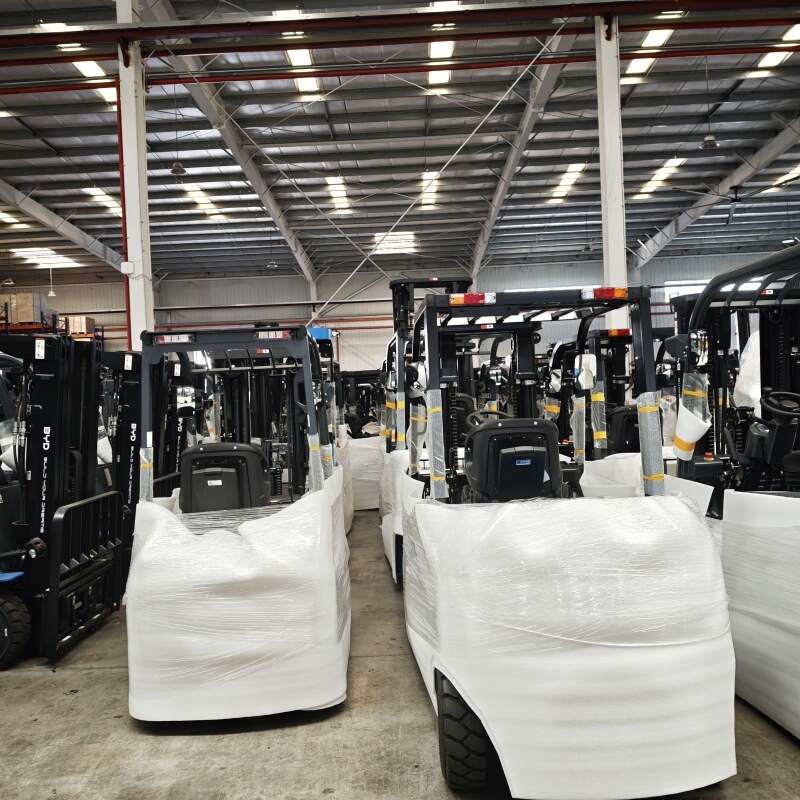
As low-carbon logistics becomes the mainstream trend in the global warehousing and distribution sector, electric forklifts have gradually become the preferred material handling equipment for most operation sites due to their low noise and zero on-site emission features. This guide covers practical, field-verified knowledge for operation managers and frontline operators to make full use of the equipment in daily work.
Core Performance Characteristics of Electric Forklifts
Unlike internal combustion counterparts, electric forklifts rely on stored electrical energy to drive the walking and load-lifting systems, with fewer mechanical transmission parts that require regular lubrication and calibration. Most models can maintain stable load handling performance at rated capacity across common operation temperatures between minus 10 degrees and 40 degrees Celsius, making them suitable for long-hour continuous use in enclosed indoor spaces without producing harmful exhaust fumes that may affect air quality for on-site staff. The adjustable speed control system also brings higher operation smoothness for sites with dense pedestrian flow and frequent turnovers.
Scenario Matching Principles for electric forklift Selection
When selecting suitable electric forklift models, operation managers need to evaluate multiple practical factors including average daily operation hours, maximum load weight of regular goods, average aisle width of the working site, and maximum lifting height required for storage racks. For sites with frequent cold storage operation at low temperatures, users can choose models with low-temperature adaptive battery management systems to ensure stable energy output and avoid unexpected power drop during peak operation periods. For narrow-aisle working sites, users can select compact body models to improve space utilization of the whole warehouse.
Daily Operation and Maintenance Best Practices
Operators need to complete pre-operation checks on brake sensitivity, lifting chain tightness, remaining power level and tire surface condition before each shift, and avoid overloading the equipment beyond its rated capacity for a long time. After daily operation, users should park the equipment in the designated charging area, turn off all power systems properly, and complete regular battery activation and accessory inspection as per official operation manuals to reduce unnecessary component wear. Reasonable daily operation habits can effectively lower long-term operation costs and extend the overall service cycle of the equipment.


