
 简体中文
简体中文 Русский
 Français
 Português
 Español
 لالعربية

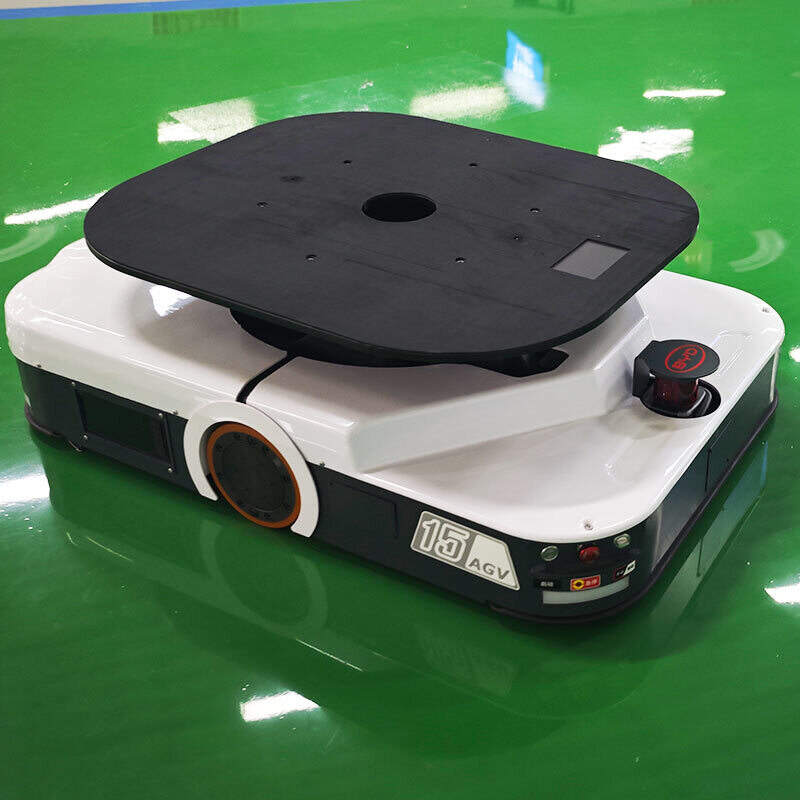
As the adoption of low-emission material handling solutions grows across global warehouse, manufacturing and logistics scenarios, electric forklifts have become a widely recognized option for indoor and closed work environments, thanks to their low noise output, zero on-site emission and flexible maneuverability. Mastering proper operation and management methods can help operators get more stable performance output while lowering long-term operating costs.
Core Operation Best Practices for Daily Use
Before each shift start, operators need to complete a full pre-check covering battery status, brake responsiveness, fork surface integrity, and overhead guard stability, to identify potential hidden risks before formal operation. During the handling process, operators should avoid sudden acceleration or sharp turn at full load, keep the load within the rated load range marked on the equipment specification, and maintain a 15 to 20 cm safety clearance between the fork bottom and the ground when traveling on flat warehouse aisles. For narrow aisle scenarios, operators should slow down in advance and sound warning signals when approaching corners or pedestrian crossing areas, to avoid collision with surrounding goods or facility structures.
Routine Maintenance Protocols to Reduce Unplanned Downtime
Unlike internal combustion forklifts, electric forklifts focus more on battery and electrical component maintenance in their daily management. After each shift ends, operators should wipe off dust, spilled cargo residues and moisture on the equipment surface, check the battery connection terminals for looseness or corrosion, and place the equipment in a designated ventilated charging area for timely charging according to actual usage scenarios. It is not recommended to leave the battery in a fully depleted state for more than 24 hours, as this may affect the overall cycle performance of the power pack. For key components including drive motors, controllers and lifting hydraulic systems, scheduled inspection by trained technical personnel every 300 to 500 operating hours can help detect abnormal wear in advance, and reduce the probability of sudden failures during peak operation periods.
Practical Strategies to Boost Energy Efficiency
Reasonable usage habits can effectively extend the single-charge range of electric forklifts and reduce long-term energy consumption. For example, arranging handling routes in advance before starting work to avoid repeated back-and-forth travel in the warehouse, avoiding unnecessary idling for more than 3 minutes when the equipment stays in the waiting state, and adjusting the driving speed according to the actual road conditions of the working scene can all bring noticeable energy saving effects. For operations that require frequent lifting and lowering of goods, operators can try to maintain a stable lifting speed instead of repeatedly pressing the control button to achieve the intended height, which can lower the power consumption of the hydraulic power unit. Over the long term, these small adjustments to operation habits can help logistics teams cut down annual energy cost and improve overall work throughput efficiency. With continuous optimization of related technologies, electric forklifts will see wider application in more diversified material handling scenarios, and mastering these practical management skills can help users get more value from their equipment investment.


