
 简体中文
简体中文 Русский
 Français
 Português
 Español
 لالعربية

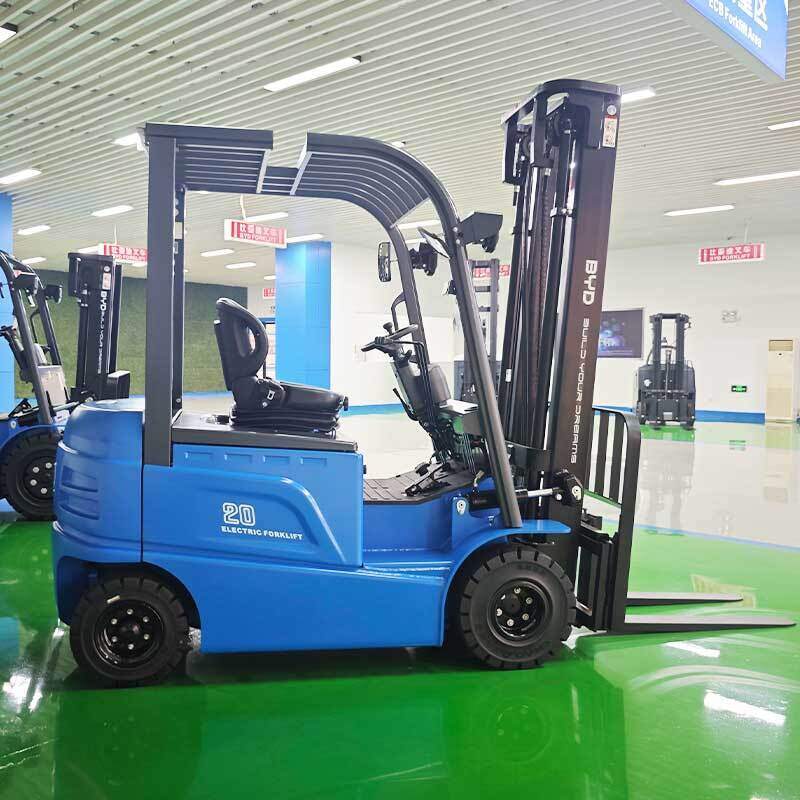
Against the background of growing demand for low-carbon logistics operations, electric forklifts have become one of the most widely used material handling equipment in industrial storage scenarios, with obvious advantages in low noise emission, low operating cost and flexible operation. Many frontline operators and warehouse managers still need systematic practical guidance to make full use of the value of such equipment.
Core Operation Specifications for Electric Forklifts
Before starting each shift, operators need to conduct basic inspections including remaining battery level, braking response, warning light function and fork surface condition, to rule out hidden risks caused by long-term idle of equipment. During the operation process, personnel need to strictly follow the rated load limit of the equipment, avoid overloading beyond the specified range, keep the cargo center of gravity within the stable frame marked by the manufacturer, and slow down in advance when turning or driving on uneven roads to prevent cargo slipping. It is not allowed to use the equipment to carry non-working personnel in any scenario, to avoid unnecessary safety accidents.
Routine Maintenance Strategies to Stabilize Equipment Performance
Daily maintenance work for electric forklifts focuses on the health management of the power system. Operators should avoid deep over-discharge of the battery during daily use, and arrange charging in time after the remaining power drops to the recommended threshold. The surface of the vehicle body, dust accumulated on the heat dissipation part and debris stuck in the gap of the moving parts should be cleaned regularly. Managers can arrange regular inspections of the tightness of the circuit interface, the sealing performance of the hydraulic system and the wear degree of the walking wheel to reduce the probability of sudden failure during peak operation periods. When the equipment is not used for a long time, it should be parked in a dry and ventilated area, avoiding long-term exposure to extreme high or low temperature environment.
Scene Adaptation Suggestions to Improve Operation Efficiency
Electric forklifts are highly compatible with enclosed warehouses, food processing workshops, pharmaceutical production sites and other scenarios that have strict requirements for exhaust emissions and working noise. By replacing different standard accessories, the equipment can complete diversified operations such as horizontal pallet transportation, high-position stacking, and narrow passage turning. According to the actual daily operation intensity of the site, the management team can arrange reasonable rotation and charging scheduling for the equipment fleet, so as to give full play to the advantages of electric material handling equipment in daily operation.


