
 简体中文
简体中文 Русский
 Français
 Português
 Español
 لالعربية

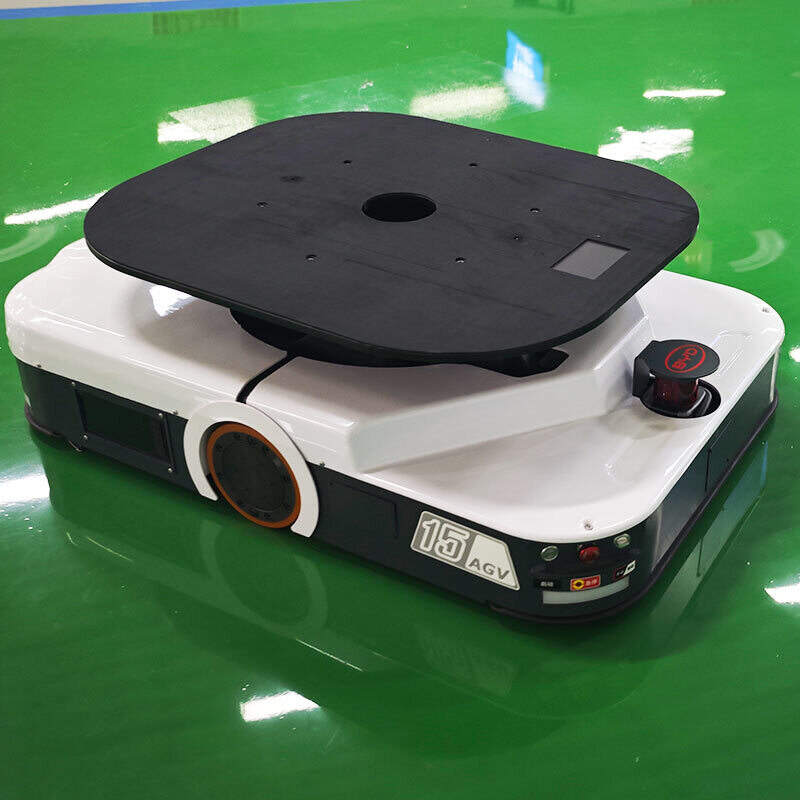
With the continuous development of low-carbon logistics and intelligent warehousing, electric forklifts have gradually become one of the most widely used core handling equipment in indoor and closed operation scenarios. As professional practitioners in the material handling equipment sector, we sort out practical and targeted industry knowledge to help relevant personnel grasp the core points of using and managing electric forklifts correctly, so as to give full play to the use value of such equipment in daily operation.
Core Operation Best Practices for Daily Use
Before starting each shift, operators need to complete necessary pre-operation inspections, including checking the remaining power level of the power unit, the sensitivity of the braking and steering system, the integrity of the load backrest and fork structure, and removing sundries that block the driving view. During the operation process, operators should avoid frequent sharp acceleration or emergency deceleration, keep the load center within the allowable range marked on the equipment nameplate, and do not carry over-weighted goods that exceed the rated load. When driving in narrow aisles or close to shelf passages, staff should control the driving speed within a safe range, and remind surrounding walking personnel through normal prompt devices to avoid potential collision risks.
Routine Maintenance Tips to Extend Stable Service Life
Standardized daily maintenance can effectively reduce the failure rate of electric forklifts and prolong the stable service cycle of the equipment. After each operation cycle, staff can wipe the dust and residual goods on the equipment surface in time, and check whether the charging interface is kept dry and clean. For the power unit, avoid deep discharge or long-term overcharging behavior, and arrange special personnel to check the fluid level state of the power accessory regularly according to the operation frequency. It is also necessary to regularly check the sealing performance of the hydraulic lifting system, the lubrication state of the transmission parts, and ensure that the equipment is stored in a dry, ventilated environment away from corrosive substances when it is not used for a long time.
Application Advantages of Electric Forklifts in Modern Handling Scenarios
Compared with traditional internal combustion handling equipment, electric forklifts produce no exhaust emission during the whole operation process, which can meet the strict environmental hygiene requirements of scenarios such as food storage, pharmaceutical warehousing and closed cold chain distribution. The low operating noise level can also reduce the noise interference to the working environment of on-site staff, helping to create a more comfortable working atmosphere. For long-term continuous operation, the comprehensive energy consumption cost of electric forklifts is relatively controllable, which can help logistics operators optimize the overall operation expenditure of the material handling link to a certain extent.


