
 简体中文
 Русский
 Français
 Português
 Español
 لالعربية


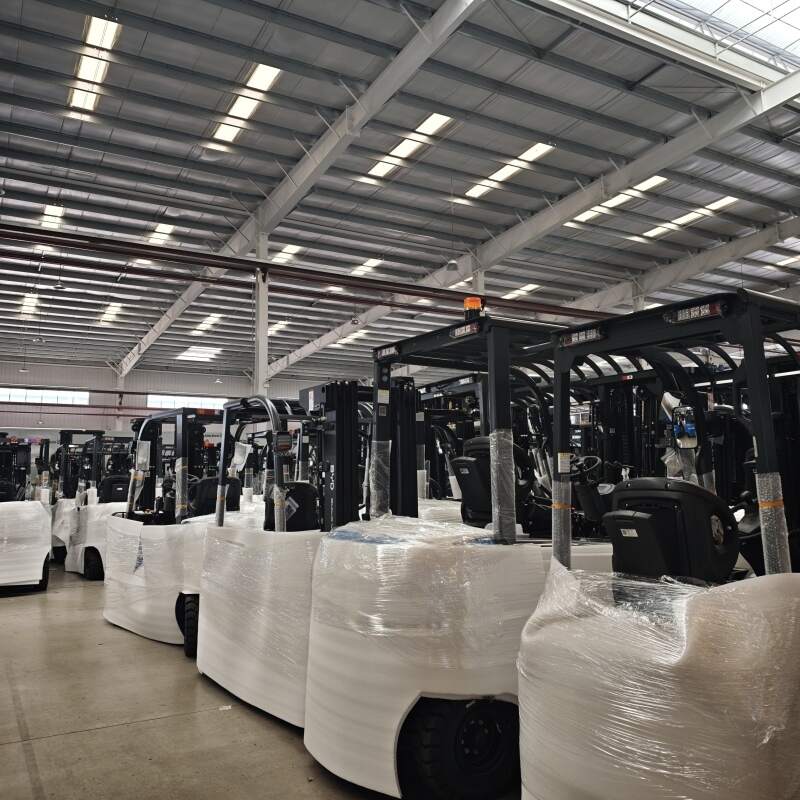
Electric forklifts have gradually become a mainstream choice for indoor and outdoor low-emission material handling scenarios in recent years, with lower noise output and no direct exhaust emissions compared with traditional internal combustion counterparts. This guide sorts out practical, industry-recognized operation and maintenance points to help relevant teams use equipment in a more compliant and efficient way.
Core Application Values of Electric Forklifts
Unlike fuel-powered handling equipment, most electric forklift products on the market operate with energy storage power modules, which can effectively reduce long-term energy input costs for frequent operation scenarios. The low-vibration operation feature also reduces the fatigue degree of operators after long hours of work, which fits the development trend of low-carbon and environment-friendly industrial sites at this stage. Proper use of these equipment can effectively improve the overall turnover efficiency of goods storage and handling links, without generating extra unnecessary operating costs.
Standard Daily Operation Specifications
Before starting each shift, operators need to check the residual power of the equipment, the flexibility of the steering system, the braking performance and the normal lifting state of the gantry structure first. During the operation process, operators should avoid overloading beyond the rated load range, and keep a safe distance from surrounding personnel, goods and site obstacles. When the equipment is running on ramps, it is not allowed to turn on the slope, and the load should be kept at the low position as far as possible to avoid the risk of goods falling.
Routine Maintenance Points for Long-term Use
After each shift, operators need to wipe the outer surface of the equipment, check the wear degree of the tire structure, and clean the dust and debris accumulated in the heat dissipation area of the power module. When the equipment is not used for a long time, it is necessary to charge the energy storage module regularly to maintain the activity of the internal battery core, and place the whole vehicle in a dry and ventilated environment to avoid long-term exposure to humid or high temperature conditions. Regular professional inspection of the circuit connection points and electrical control system can effectively reduce the probability of unexpected equipment failure.
On-site Safety Operation Guidelines
All operators need to receive professional pre-job training before taking up the post, and get familiar with the operation logic of the corresponding equipment before formal independent operation. In the working area, operators should not carry out aggressive operation actions such as sudden acceleration and sudden sharp turn, and remind surrounding personnel to keep a safe avoidance distance at any time. After the operation is completed, the gantry should be lowered to the lowest horizontal position, the handbrake should be locked, and the power supply should be cut off before leaving the operation position.


