
 简体中文
 Русский
 Français
 Português
 Español
 لالعربية


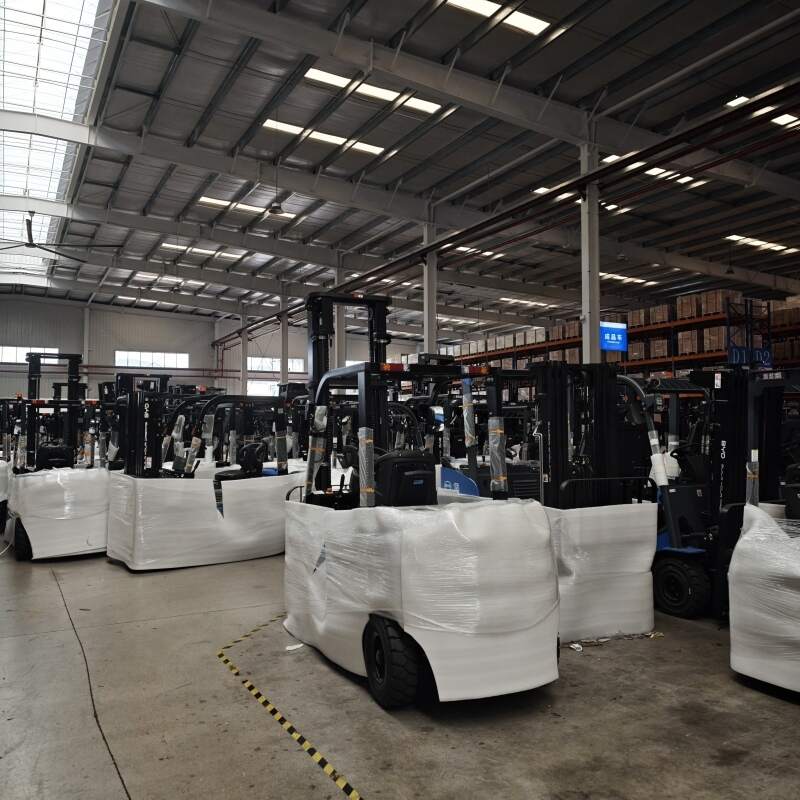
As zero-emission material handling equipment gains wider application across warehousing, manufacturing and retail logistics sectors, more practitioners are seeking practical, reliable reference to use electric forklifts properly. This guide sorts out core practical points from long-term industry experience, to help operators grasp proper usage logic and avoid unnecessary misoperation.
Core Functional Advantages of Electric Forklifts
Different from traditional fuel-powered handling equipment, electric forklifts generate no local exhaust emission during operation, which makes them suitable for closed indoor working environments that have strict requirements on air quality, such as food processing workshops, pharmaceutical storage areas and cold chain warehouses. The overall noise level during operation is far lower than fuel-powered counterparts, which helps reduce noise pollution in densely populated warehouse areas and lower long-term occupational hearing pressure for frontline operators. The average daily energy consumption cost is also relatively controlled compared with fuel consumption expenditure, which brings stable long-term expenditure control effects for logistics teams with high daily operation frequency.
Standardized Daily Operation Guidelines
Before each shift, operators are suggested to complete a full pre-operation check, covering remaining battery level, brake sensitivity, hydraulic lifting system response, and tire wear condition, to rule out potential hidden risks in advance. During high-load operation, avoid sharp steering under full load, and do not drive across the slope with heavy loads to prevent side slip or rollover risks. Operators should not arbitrarily modify the safety limit settings of the equipment, and arrange rest and charging in time according to the actual remaining power, to avoid sudden power off in the middle of high-altitude cargo lifting operation.
Routine Maintenance Tips for Longer Service Life
For the core power battery part, follow the official recommended charging specifications, avoid frequent over-charging or deep over-discharging, and keep the surface of the battery pack dry and clean to avoid short circuit risks caused by accumulated dust or water stains. Clean the heat dissipation structure of the drive motor regularly, and add proper amount of professional lubricant to the transmission and moving parts as required, to reduce unnecessary wear caused by long-term friction. Replace severely worn accessories such as sealing rings and driving tires in time, and arrange professional personnel to conduct regular overall safety inspection for the whole equipment every certain operation cycle. Following these scientific usage and maintenance rules can help electric forklift maintain stable working condition for a long time, bring better operation experience and create more value for daily material handling work.


