
 简体中文
 Русский
 Français
 Português
 Español
 لالعربية


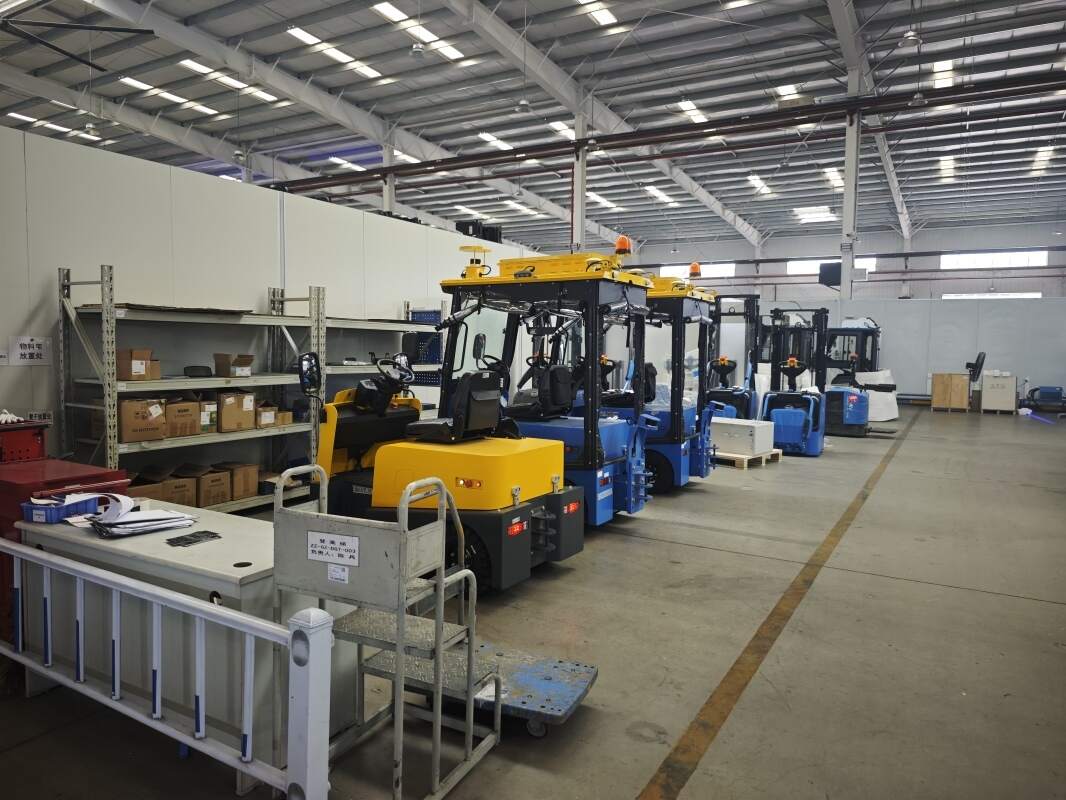
Against the continuous development of modern low-carbon logistics, electric forklifts have become one of the most widely used material handling equipment in various warehouse scenarios, industrial parks and distribution centers. Mastering correct application rules and daily management points can help operation teams give full play to the equipment’s performance while reducing unnecessary operation risks.
Core Performance Features of Electric Forklifts
Different from traditional internal combustion handling equipment, electric forklifts are driven by on-board power modules, which produce no tail gas emission during normal working process, and generate relatively low operating noise in confined warehouse spaces. The whole set of transmission structure has fewer friction components, which can reduce the daily energy consumption input compared with similar fuel-powered equipment, and is more suitable for long-time continuous operation in closed indoor working scenarios. For teams that pursue stable and low operating cost in long run, this type of equipment can well match the material handling demands of most medium and small scale warehousing scenarios, no extra exhaust emission treatment process is needed for daily indoor use.
Standard Operation Specifications for Daily Use
Before each formal shift of operation, operators need to conduct simple inspection on the power status, brake system, lifting mechanism and load fork structure of the electric forklift, to confirm no obvious abnormal sign exists before starting the equipment. During the operation process, operators should keep the load within the rated load range of the equipment, avoid sharp steering or sudden braking when the load is at a high lifting position, and keep a safe distance from surrounding staff, shelves and passage obstacles. After the daily operation is finished, operators need to park the equipment in the designated area, lower the load fork to the lowest position, cut off the main power switch and do simple cleaning of the equipment surface, to avoid accidental misuse by unrelated personnel.
Routine Maintenance and Daily Management Tips
For the on-board power module of electric forklift, relevant management personnel should arrange regular inspection on the circuit connection status, and follow the official guidance to complete charging operation, avoid over charging or long-term power loss of the power unit. For the walking and lifting transmission components, regular lubrication and wear check can effectively extend the whole service life of the equipment, reduce the probability of sudden failure during peak operation hours. Regular professional skill training for operation team can also help reduce improper operation behavior, further improve the overall operation efficiency of the whole warehouse material handling system.


