
 简体中文
 Русский
 Français
 Português
 Español
 لالعربية


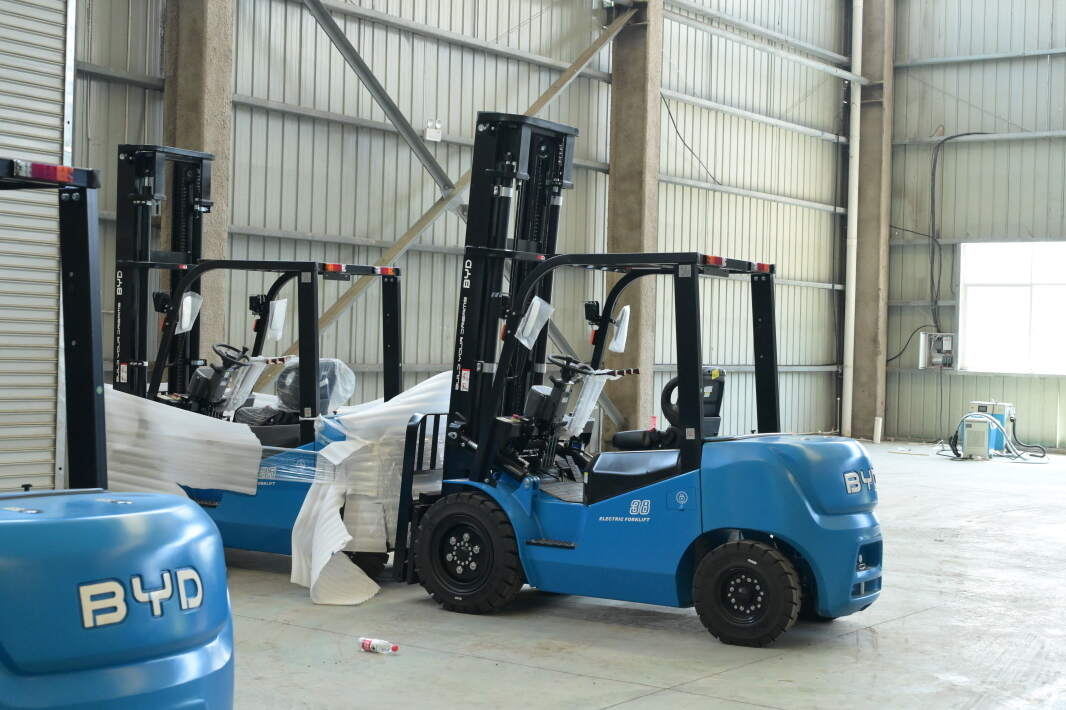
Against the background of accelerating low-carbon transformation in global logistics and industrial manufacturing, electric forklifts have gradually become one of the most widely used material handling equipment in closed and semi-closed operation scenarios such as warehouses, distribution centers and factory workshops. Compared with fuel-powered counterparts, such equipment features lower noise emission, no exhaust emission and relatively simpler daily operation logic, but users still need to master systematic professional knowledge to tap its maximum use value in daily work.
Basic Operation Specification Compliance
In daily operation, operators need to complete full pre-operation inspection work before starting the equipment, including checking the remaining power level of the power system, the flexibility of the steering and lifting mechanism, and the normal performance of the brake and warning light system. Operators should avoid overloading the equipment beyond the rated load range during the handling process, keep the goods in the center of the forks to avoid side tilting, and keep a safe distance from surrounding personnel, obstacles and shelf structures when driving in narrow warehouse aisles. It is not allowed to carry people on the equipment or operate the forklift on roads with large slopes that exceed the equipment's specified adaptation range.
Scientific Daily Maintenance Management
Standardized daily maintenance can effectively extend the service life of electric forklifts and reduce unexpected downtime in the operation process. For the power system, users should arrange the charging process in a well-ventilated, dry and cool environment, avoid overcharging or complete deep power loss for a long time, and regularly check the tightness of the connection parts of the power module. For the walking and lifting transmission parts, users should regularly remove the accumulated dust and sundries on the surface, add the specified lubricant at regular intervals according to the operation manual, and check the wear degree of the tire and fork structure every week, so as to find hidden safety risks in time and deal with them in advance.
Scenario-based Operation Efficiency Optimization
To further improve the operation efficiency of electric forklifts, users can formulate reasonable operation routes according to the layout characteristics of their own operation scenarios, arrange the peak period of centralized handling to avoid frequent start and stop of the equipment in a short time. For enterprises with multiple electric forklifts, they can arrange the use and maintenance schedule in a staggered way, avoid the situation that all equipment are in the charging state at the same time during the peak operation period, and properly adjust the driving speed according to the on-site personnel flow and cargo density, so as to balance the relationship between operation efficiency and operation safety in the whole work process.


