
 简体中文
 Русский
 Français
 Português
 Español
 لالعربية


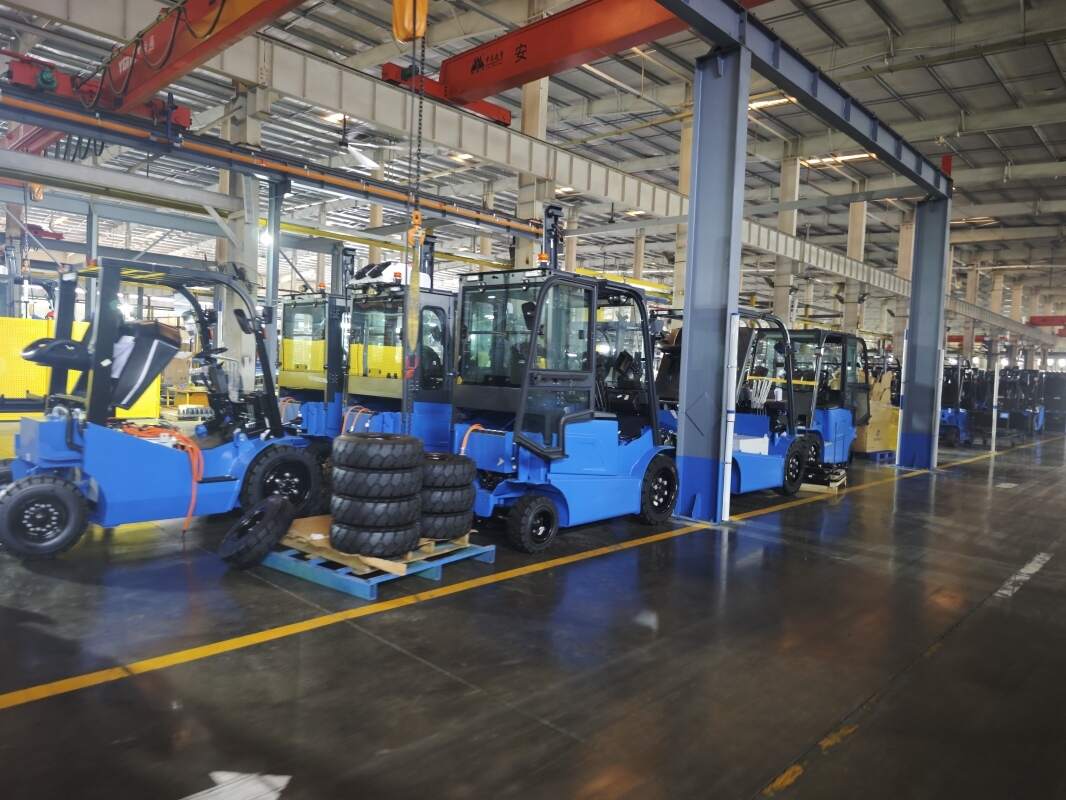
As low-carbon and efficient logistics equipment gains wider promotion across industrial scenarios, electric forklifts have become a common core tool for indoor and closed-space material handling, bringing distinct operation experience compared with traditional fuel-powered counterparts. Mastering relevant practical knowledge can help relevant practitioners make better use of the equipment’s advantages in daily work.
Core Performance Characteristics of Electric Forklifts in Common Scenarios
Electric forklifts rely on power battery systems to provide driving and lifting power, which generates far less noise and no exhaust emission during operation. Such feature makes them suitable for long-hour operation in enclosed spaces like indoor warehouses, pharmaceutical production workshops and food processing zones, where strict environmental and hygiene requirements are set. Their overall body structure usually has a relatively compact turning radius, which supports flexible moving in narrow aisle passages, effectively improving the space utilization rate of the storage area, and reducing the risk of scraping stacked goods in limited moving space.
Basic Safe Operation Guidelines for Daily Usage
Before starting each shift of operation, operators need to conduct a visual check on the appearance of the equipment, confirm the remaining power level, test the flexibility of lifting and steering functions, and check the effectiveness of the brake and warning light systems. During the handling process, operators should keep the load center within the allowable range marked on the equipment specification, avoid sudden acceleration or sharp turning when carrying heavy loads, and keep a safe distance from surrounding staff and stacked goods. It is not recommended to lift passengers on the fork arm for operation, and relevant operation personnel need to receive systematic professional training before taking up the post.
Routine Maintenance Tips to Extend Service Life
Daily maintenance work can be divided into daily post-shift inspection and regular periodic maintenance. After each use, operators should wipe off the dust and debris attached to the body, fork arm and wheel parts, park the equipment in the designated ventilated and dry area, and connect the battery to the matching charging device according to the standard operation procedure. For the battery system, it is necessary to avoid long-term power loss storage, regularly check the connection tightness of the circuit interface, and arrange professional personnel to inspect the wear condition of the hydraulic oil, brake pad and other wearing parts at a specified cycle. Reasonably matching the equipment performance with actual operation demands can give full play to the use value of electric forklifts, reduce unnecessary operation failure rate, and create stable supporting effects for the whole logistics handling link.


