
 简体中文
 Русский
 Français
 Português
 Español
 لالعربية


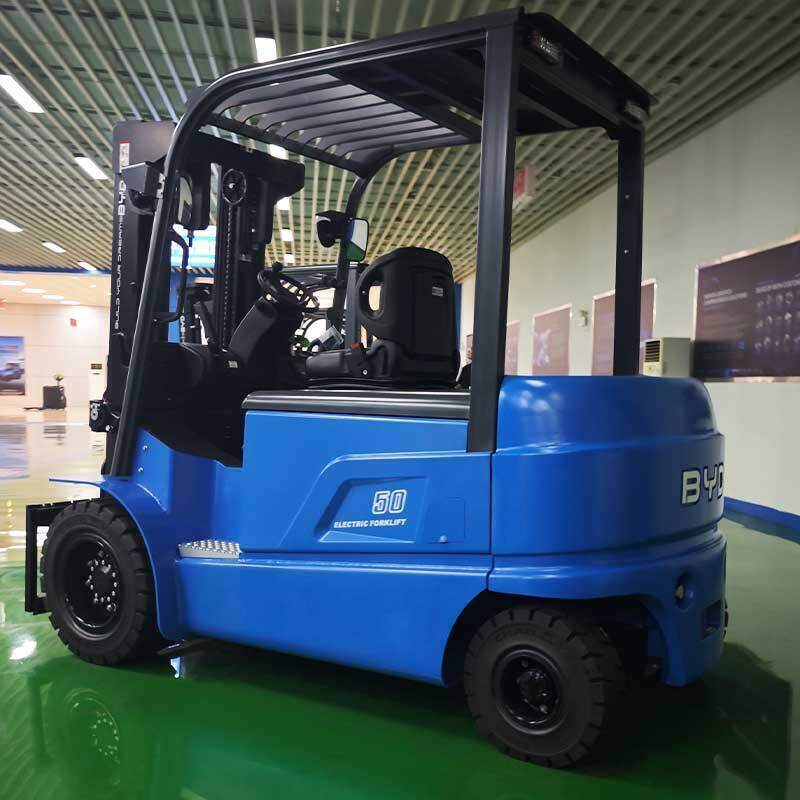
With the continuous promotion of low-carbon transformation in logistics and manufacturing sectors, electric forklifts have gradually become one of the most widely applied material handling equipment in indoor and enclosed operation scenarios, replacing a large number of traditional internal combustion counterparts. This guide shares systematic practical knowledge for enterprise operators and management personnel, to help them grasp proper use rules and standardized management methods.
Core Advantages of Electric Forklifts in Modern Operation
Compared with fuel-powered forklifts, electric forklifts produce no tail gas emissions during operation, which can effectively reduce air pollution in closed warehouse spaces, and lower the demand for extra ventilation equipment configuration in indoor operation areas. Their operating noise is also controlled at a relatively low level, which helps reduce noise interference to surrounding staff and the daily operation of adjacent office areas. For long-term use, their energy consumption cost per unit of working hour is usually lower than that of internal combustion equipment, which can bring considerable cost optimization space for enterprises with high frequency of material handling operations.
Standard Operation Specifications for Daily Use
Operators need to receive corresponding professional training before taking up the post, get familiar with the basic parameters of the equipment, including the rated load weight, maximum lifting height and allowed turning radius. Before each shift, personnel need to check the remaining power, the flexibility of the steering system, the braking performance and the integrity of the fork structure, to eliminate potential hidden dangers in advance. During operation, it is not allowed to overload the equipment, and the moving speed should be adjusted appropriately according to the smoothness of the site and the pedestrian density around, to avoid safety accidents such as cargo falling or equipment collision.
Routine Maintenance and Management Suggestions
For the core power system of electric forklifts, operators should follow the official recommended charging rules, avoid over-discharging the power supply for a long time, and keep the charging environment dry and ventilated. It is necessary to regularly clean the dust and debris accumulated on the surface of the equipment, check the wear degree of tires, and lubricate the movable connection parts on schedule. Regular inspection can find minor abnormal conditions in time, avoid the expansion of faults that may cause longer downtime, and effectively extend the overall service life of the equipment.
Scenario Adaptation Optimization Tips
Enterprises can select corresponding configuration parameters according to their actual operation scenarios. For high-density narrow aisle scenarios, models with small turning radius can effectively improve the utilization rate of storage space. For outdoor open scenarios with large operation span, appropriately expanded power capacity can meet the demand of longer continuous working hours. Reasonable matching of equipment and actual operation needs can give full play to the use value of electric forklifts.


