
 简体中文
 Русский
 Français
 Português
 Español
 لالعربية


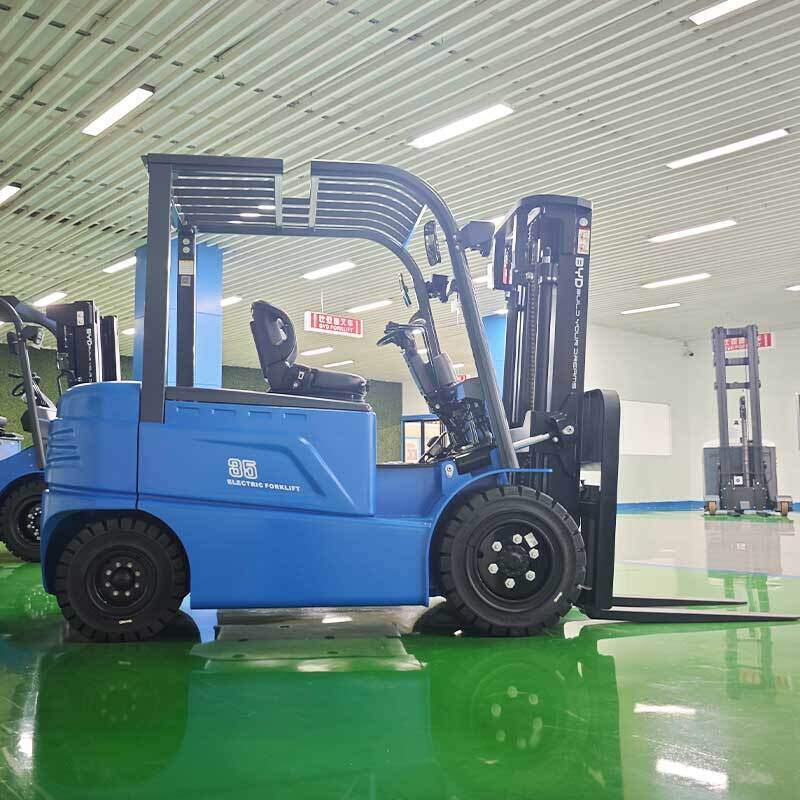
With the continuous popularization of low-carbon logistics solutions across different industrial scenarios, electric forklifts have become one of the most widely used material handling equipment in modern warehouses, distribution centers and manufacturing workshops. Unlike traditional internal combustion counterparts, electric forklifts rely on electric power output to complete cargo stacking, horizontal transfer and other operations, which requires operators to master targeted operation rules and maintenance logic to give full play to its inherent advantages.
Core Safe Operation Norms
Before starting each shift operation, operators need to complete a full pre-check of the equipment, including checking the remaining power level, the flexibility of the lifting and steering system, the integrity of the brake and warning light devices, and confirming that there is no obvious damage or abnormal wear on the tire surface. During the operation process, personnel should keep the cargo load within the rated load range of the equipment, avoid sudden acceleration or sharp steering when driving on slippery or uneven ground, and keep a safe distance from surrounding personnel and obstacles, especially when carrying high stacked goods, to prevent the goods from falling accidentally and causing safety risks. It is not recommended to use electric forklifts for long-distance transfer of over-limit goods that exceed the preset height limit, so as to avoid damage to the mast structure of the equipment.
Routine Daily Maintenance Suggestions
The power system of electric forklift is the core component that needs regular maintenance. Operators should follow the specified charging process rules, avoid over-discharging the power pack to too low level in daily use, and do not leave the equipment in a high temperature or humid environment for charging for a long time. After each shift, operators need to wipe the dust and cargo residue on the surface of the equipment, check the connection tightness of the electrical wiring parts, and regularly lubricate the rotating parts such as the bearing and hinge of the mast according to the use frequency. Proper maintenance can effectively reduce the frequency of minor failures, and help the equipment maintain stable working condition in long-term continuous use.
Scenario Adaptation Optimization Tips
For different working scenarios, operators can adjust the use mode of electric forklifts appropriately. For closed warehouse spaces with high requirements for environmental cleanliness, the zero-emission feature of electric forklifts can give full play to its advantages, and personnel can arrange the operation route reasonably to reduce the frequent start and stop times of the equipment. For scenarios with low ambient temperature, personnel should preheat the power system properly before formal operation, so as to avoid the insufficient power output caused by low temperature affecting the operation efficiency. Following these scientific usage rules can help logistics teams improve the overall operation efficiency of material handling.


