
 简体中文
 Русский
 Français
 Português
 Español
 لالعربية


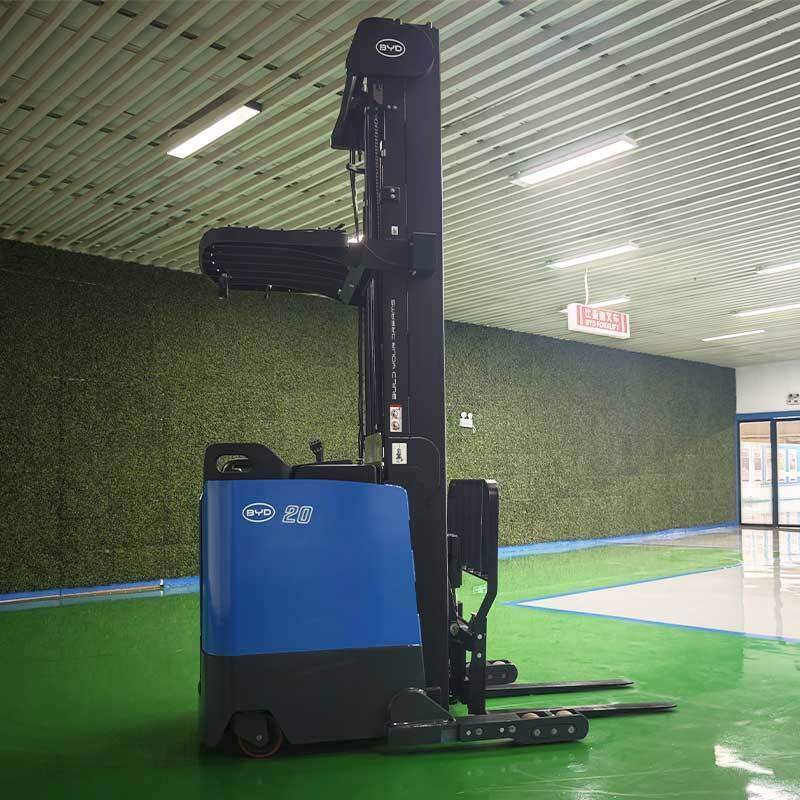
As the demand for low-carbon and low-noise material handling solutions rises across the logistics and industrial sectors, electric forklifts have become a widely adopted option for indoor and enclosed workspace operations. Mastering proper operation, maintenance and usage optimization knowledge can help operators get more stable performance from the equipment, and better match daily handling demands.
Core Standard Operation Specifications
Before every startup, operators are suggested to complete basic pre-checks, including confirming remaining battery level, testing the sensitivity of the braking and steering system, and checking if there is any visible damage to the load forks and protection guard. During operation, operators should avoid overloading beyond the rated load capacity, keep a safe distance from surrounding personnel and goods, and slow down when passing narrow channels or areas with dense pedestrian flow. All charging work should be finished in designated well-ventilated zones, to avoid potential safety risks caused by improper charging behaviors.
Scientific Daily Maintenance Routine
Regular maintenance helps reduce unexpected equipment failure rate, and extend the overall service cycle of electric forklifts. Operators can wipe off dust, material residues and oil stains on the vehicle surface after each shift, to avoid accumulated impurities entering the moving components. Maintenance personnel need to inspect the battery terminals regularly to clear possible corrosive attachments, check the sealing condition of the hydraulic system for potential leakage, and measure the wear degree of tire treads to ensure stable driving performance. Scheduled full inspection of the whole equipment by trained professional staff every certain period is also recommended to rule out hidden faults in time.
Practical Energy Efficiency Optimization Tips
Reasonable usage habits can effectively improve the energy efficiency performance of electric forklifts, and extend single charging mileage. Teams can pre-plan the daily handling routes to reduce unnecessary no-load driving distance, and arrange the goods stacking sequence properly to avoid repeated handling. Operators can keep smooth acceleration and deceleration habits, avoid frequent sudden braking and sharp turning, which can lower extra energy consumption and reduce wear of related components. When the equipment is left idle for a long time, operators can turn off the main power switch instead of keeping the standby state, to avoid unnecessary power loss. All these practical tips fit most common electric forklift application scenarios, to deliver stable, cost-effective usage experience for long-term material handling work.


