
 简体中文
 Русский
 Français
 Português
 Español
 لالعربية


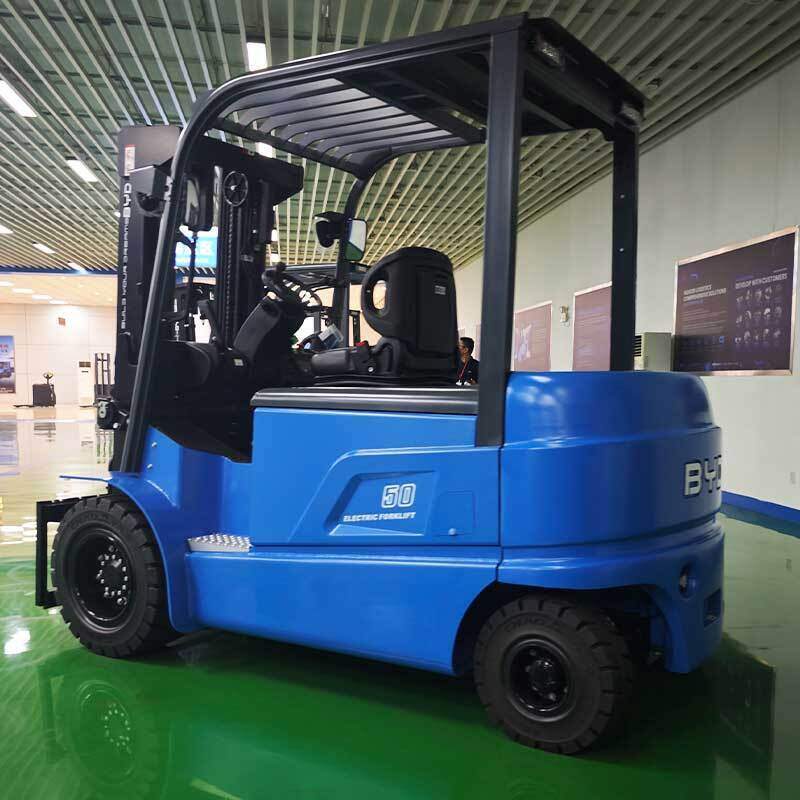
With the continuous advancement of low-carbon logistics transformation, electric forklifts have become one of the most widely applied material handling equipment in scenarios including warehouses, manufacturing workshops, and port freight yards. Reasonable operation and scientific management can give full play to its inherent advantages of low noise, zero local emission and flexible maneuverability, bringing stable output for daily material handling work.
Core Operation Standards for Daily Use
Operators need to receive systematic pre-job training before formally taking over the equipment, and be familiar with the distribution of all control components and the logic of safety interlock settings. Before starting each shift, personnel should check the remaining power level, the flexibility of lifting and tilting mechanisms, the braking sensitivity, and the normal state of lighting and warning sound devices, and shall not carry out overload operation beyond the rated load range specified in the equipment manual. During the moving process, operators need to keep a proper observation range, avoid sudden steering or frequent sharp braking, and keep a safe distance with surrounding personnel, obstacles and other operating equipment to prevent accidental collision risks.
Routine Maintenance Rules to Extend Service Life
Regular maintenance work can effectively reduce the failure rate of electric forklifts in long-term operation. Personnel in charge of equipment management should arrange targeted inspection of power modules, motor heat dissipation components and circuit connection points according to the frequency of daily use, and remove the dust and debris accumulated on the surface of the body and the operating gap in time. When the equipment is not in use for a long time, it should be parked in a dry, ventilated and shaded designated area, and keep the power module stored at a reasonable state of charge to avoid performance attenuation caused by long-term power loss. Worn parts should be replaced in time in accordance with the official operation specifications, and personnel without professional operation qualifications shall not disassemble the internal core structure without permission.
Practical Energy Efficiency Optimization Strategies
Users can adjust the use strategy according to the actual operation scenario to further improve the comprehensive utilization value of electric forklifts. For working scenes with frequent short-distance material transfer, operators can plan the driving route in advance to reduce unnecessary repeated steering and idle running time, so as to reduce extra power consumption. For multi-shift continuous operation scenarios, enterprises can arrange reasonable charging and replacement schedules to avoid interruption of normal operation rhythm, and form a complete equipment use ledger to record daily operation data, which can provide reliable reference for subsequent equipment management strategy adjustment.


