
 简体中文
 Русский
 Français
 Português
 Español
 لالعربية


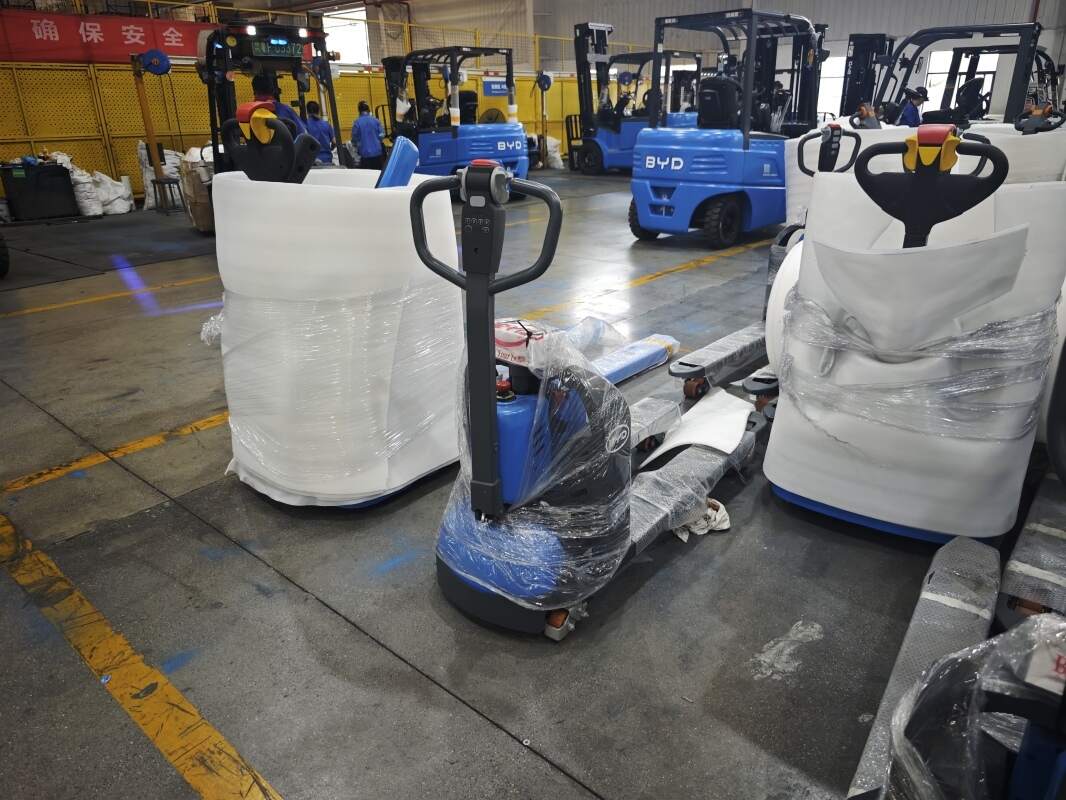
As the core equipment for modern warehouse and logistics material handling, electric forklifts have been widely applied for their low noise, zero local emission and easy operation features. Mastering proper usage and management rules can help operation teams give full play to the equipment’s advantages, and reduce extra cost caused by unexpected failures.
Core Daily Maintenance Protocols
Regular daily inspection is the foundation to keep electric forklifts in stable condition. Before each shift, operators can check the battery connection status to confirm there is no corrosion or loose contact, test the flexibility of braking system and steering structure, and check the wear degree of walking wheels to avoid potential safety risks. Operators also need to clean the dust and accumulated sundries around the heat dissipation vents on a regular basis, to prevent overheating caused by blocked ventilation during long time continuous operation. It is not recommended to drain the battery power completely before charging, which will help maintain the overall battery performance for a longer period.
Standardized Operational Safety Guidelines
All operators need to receive systematic professional training before independently using the equipment. Before starting the equipment, operators should observe the surrounding environment to confirm no pedestrians or obstacles stay in the moving route. During operation, the load weight should be kept within the rated load range of the equipment, and sharp acceleration or sudden braking should be avoided as much as possible to prevent the falling of goods. When passing through narrow warehouse aisles, operators can give proper sound prompts to remind surrounding staff. After finishing the operation task, operators need to pull up the handbrake, lower the fork to the ground level, and cut off the main power supply before leaving the operation position.
Scenario Adaptation Usage Tips
Different operation environments have different requirements for electric forklift status. In low temperature working scenarios, operators can do short-time preheating for the battery system before formal heavy load operation, to get stable power output. In high humidity working environment, the waterproof performance of circuit interfaces should be checked at regular intervals to avoid potential line faults. For high-intensity continuous operation scenarios, operation teams can arrange reasonable shift and charging plans, to avoid long time overloaded operation that may cause extra loss of core components. Following these targeted adaptation rules can effectively reduce the failure rate of the equipment, and extend the overall service cycle of electric forklifts.


