
 简体中文
 Русский
 Français
 Português
 Español
 لالعربية


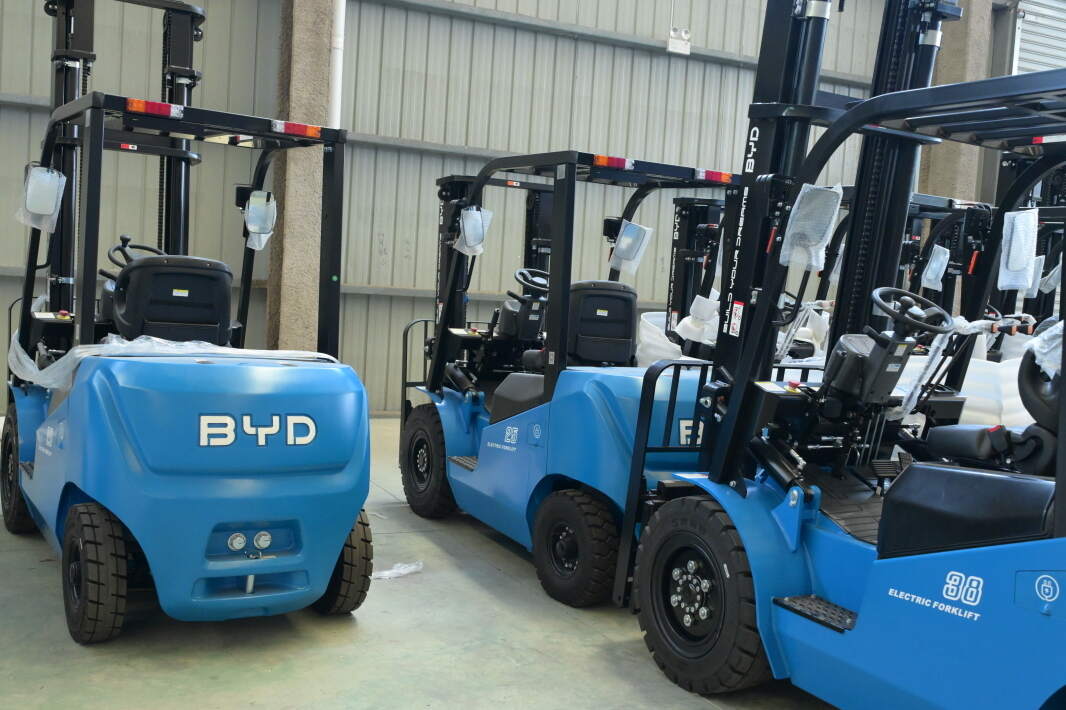
As the low-carbon trend of global warehouse logistics continues to advance, electric forklifts have become one of the most widely used material handling equipment in industrial scenarios, bringing obvious advantages in low noise and zero local emission compared with traditional internal combustion models. Mastering correct using rules can help operators get more stable performance output during daily work.
Core Operation Norms for Daily electric forklift Usage
Before each startup, operators need to check the remaining power status, brake sensitivity, fork deformation and steering flexibility to avoid hidden risks during operation. It is not recommended to carry loads that exceed the rated load range for a long time, and keep the load center within the specified distance to avoid tilting accidents. When driving in narrow warehouse passages, operators need to slow down in advance and pay attention to surrounding pedestrians and stacked goods, to avoid unnecessary collision and damage to the equipment and stored goods.
Routine Maintenance Tips to Extend Service Lifespan
Daily maintenance work does not require complicated professional tools for most parts, operators can wipe the dust and residual sundries on the vehicle body surface after each shift, and check the connector tightness of the power system regularly. For the power battery module, follow the specified charging procedures, avoid excessive deep discharge that may affect the overall cycle performance of the battery pack. Regularly lubricate the rotating parts of the lifting system, check the wear degree of tires and replace the corresponding parts in time when the wear reaches the warning line.
Practical Methods to Optimize Energy Efficiency
Reasonable operation habits can effectively reduce unnecessary power consumption and extend the single continuous working time. Avoid frequent sharp acceleration and sudden braking during the driving process, keep a stable driving speed under the condition that the surrounding conditions allow. Adjust the lifting speed of the fork according to the actual weight of the goods, avoid high-load operation under no need. Arrange the charging schedule properly according to the daily working intensity, which can reduce the waiting time caused by sudden power shortage during peak working hours.
Common Adaptable Scenarios for Warehouse Applications
Electric forklifts are suitable for most enclosed warehouse scenes, food processing workshops, pharmaceutical storage areas and other scenarios that have high requirements for air quality and operation noise. It can also match different accessory modules to complete different operation tasks such as cargo stacking, horizontal handling, and container loading and unloading. Operators can adjust corresponding operation parameters according to the actual site environment, to get better using experience in different working conditions.


