
 简体中文
 Русский
 Français
 Português
 Español
 لالعربية


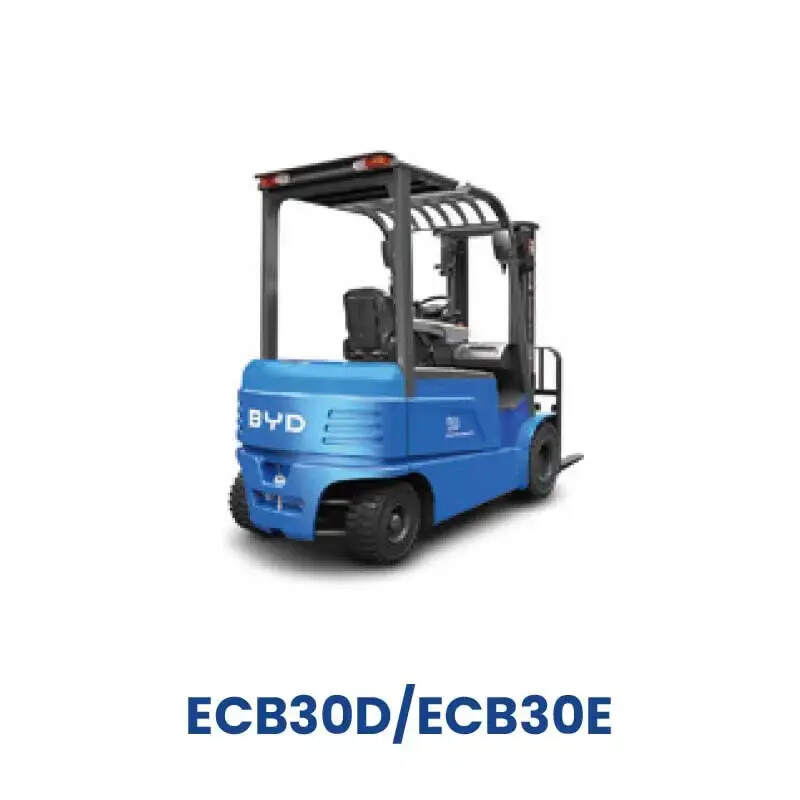
As the core equipment of modern warehouse material handling, electric forklifts have been widely applied in various industrial scenarios for their low noise, zero local emission and relatively low operating cost features. Reasonable use and standardized management can help enterprises give full play to the equipment’s advantages and reduce unnecessary operation loss in daily work.
Basic Operation Compliance Guidelines
Operators need to receive systematic pre-job training before formal use, and master the basic parameters of the equipment such as load limit, maximum lifting height and applicable channel width. Before each startup, operators should complete a quick inspection of the tire condition, brake sensitivity, battery power status and lifting accessories, and do not start the equipment when abnormal signs are found. During the operation process, keep the running speed matching the surrounding working environment, avoid sudden braking and sharp steering, and keep a safe distance from surrounding passing personnel and stacked goods to reduce collision risks.
Routine Maintenance and Care Notes
Daily maintenance work mainly focuses on the battery system, transmission parts and hydraulic components. For the power battery module, follow the specified charging process, avoid over-discharging the battery to a very low power level for a long time, and keep the surface of the battery pack clean and dry during daily storage. Regularly check the lubrication status of the transmission and rotating parts, add professional lubricating grease according to the use frequency, and clean the dust and sundries on the surface of the hydraulic oil pipeline to avoid blockage of the oil circuit.
Scenario-based Efficiency Promotion Strategies
Combined with the actual layout of the warehouse, enterprises can plan the fixed operation route of electric forklifts reasonably, reduce the frequent turn-around in narrow channels, and match the loading and unloading capacity of the equipment with the weight of conventional goods to avoid long-time over load operation. It is also suggested to arrange the charging time in the idle period of non-peak operation, so as to avoid the situation that the equipment is out of power and cannot work normally during the peak operation period, and further improve the overall turnover efficiency of material handling.


