
 简体中文
 Русский
 Français
 Português
 Español
 لالعربية


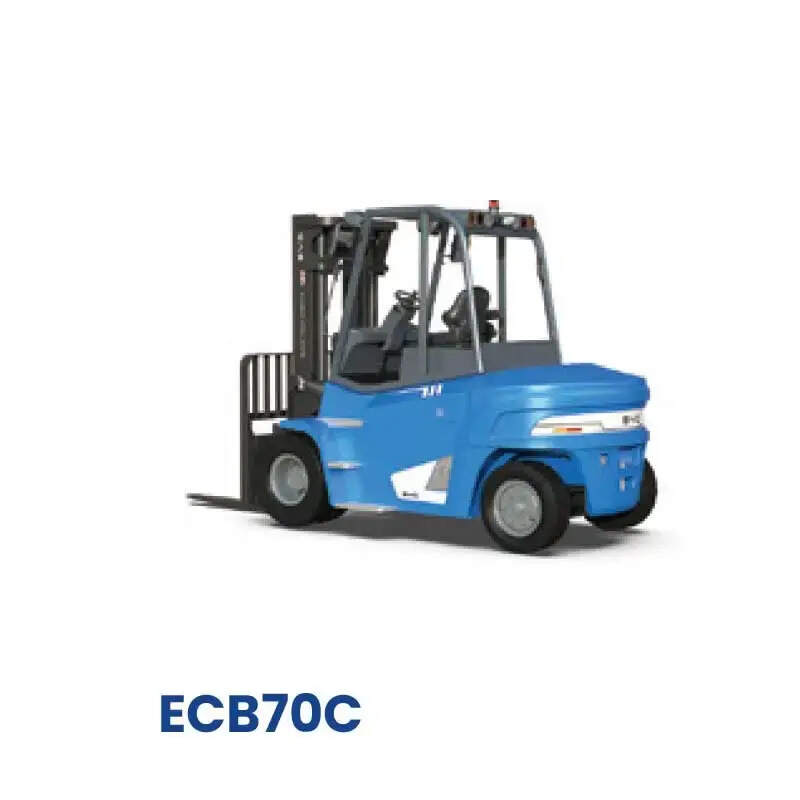
As the global logistics industry gradually shifts to low-carbon and efficient development paths, electric forklifts have become one of the most widely used material handling equipment in indoor warehouses, distribution centers and light industrial production sites in recent years. Unlike traditional fuel-powered handling equipment, electric forklifts rely on stored electrical energy to drive the walking and cargo lifting systems, which brings unique operational characteristics that require corresponding operation and management methods to maximize their use value.
Core Functional Characteristics of Electric Forklifts
Most electric forklift products are designed with integrated drive and lifting systems that produce almost no exhaust gas during the whole operation process, which can meet the environmental protection requirements of enclosed indoor working spaces. The average noise level during operation is far lower than that of internal combustion forklifts, which can effectively reduce the noise interference to on-site staff and avoid the discomfort caused by long-term exposure to high-noise working environments. The energy consumption cost per unit working hour is obviously lower than that of fuel-powered equipment, which can help operation teams control the daily expenditure of material handling links under reasonable usage conditions.
Standard Daily Operation Specifications
Before each formal operation, operators need to complete routine pre-check items, including checking the remaining power level, the flexibility of the lifting hydraulic system, the sensitivity of the brake and steering components, and the integrity of the safety warning devices. During the operation process, operators should avoid sudden acceleration or sudden braking as much as possible, keep the cargo center of gravity within the allowable range of the load center, and do not operate the equipment beyond the rated load capacity for a long time. When working in narrow channel scenarios, operators need to adjust the running speed according to the surrounding environment, and keep a safe distance from surrounding stacked goods and passing staff.
Routine Maintenance Best Practices
The energy storage battery module is the core component of electric forklifts, and operators need to follow the specified charging rules to avoid over-discharging or overcharging the battery, and keep the surface of the battery pack dry and clean during daily storage. The transmission and moving connection parts should be regularly checked for wear, and add appropriate amount of lubricating oil according to the operation manual requirements to keep the transmission state smooth. After each shift, the operators need to simply clean the dust and cargo residue on the surface of the equipment, and park the equipment in the designated ventilated and dry area. Matching corresponding configuration parameters according to the actual working scenario can further improve the comprehensive use efficiency of electric forklifts, and create more stable and reliable support for the whole material handling link.


