
 简体中文
 Русский
 Français
 Português
 Español
 لالعربية


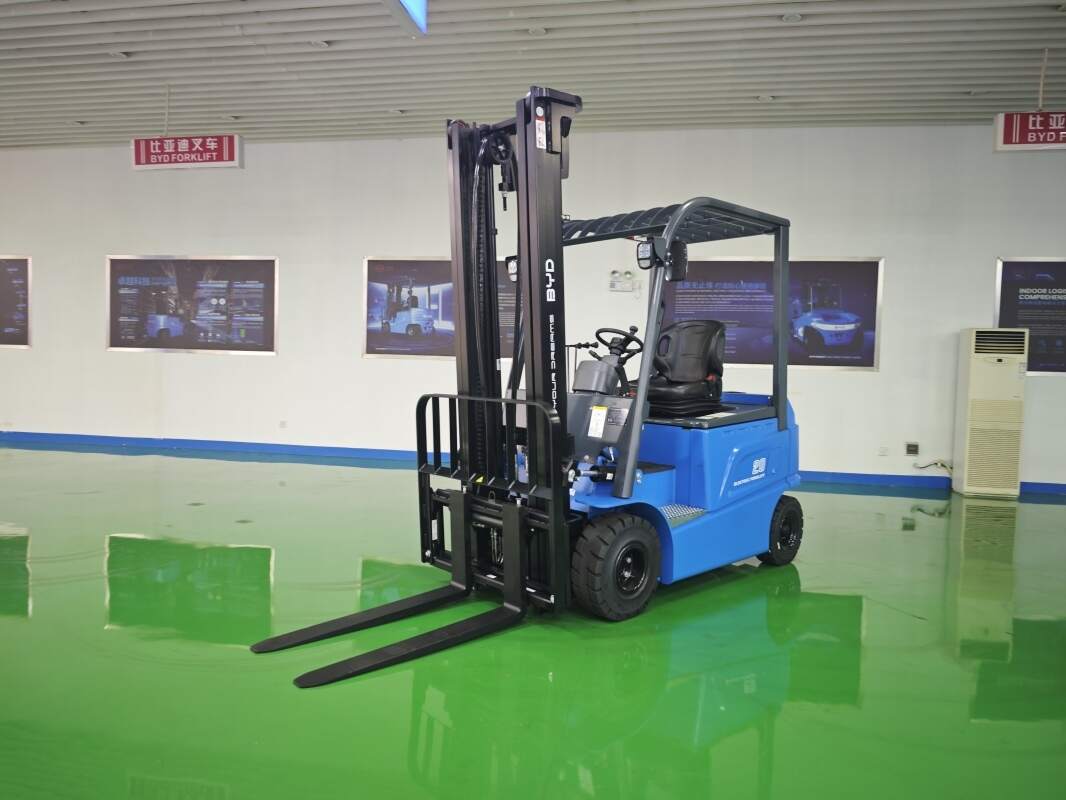
As the global logistics and industrial storage sector prioritizes low-carbon operation and cost control, electric forklifts have become one of the most widely applied material handling equipment in indoor and enclosed operation scenarios. Mastering systematic knowledge related to its usage, maintenance and operation can help relevant personnel maximize equipment value while avoiding unnecessary operational risks.
Core Performance Features of Electric Forklifts for Industrial Scenarios
Unlike traditional fuel-powered handling equipment, electric forklifts rely on power battery systems to provide driving and lifting power, generating almost no exhaust emissions during operation, which fits well with the air quality control requirements of closed warehouses, food processing workshops and pharmaceutical production sites. Its overall noise level during operation is relatively low, which helps reduce noise interference to on-site staff and improve the comfort of long-shift work. The power output curve of electric systems is smoother, which can provide more stable power output during low-speed cargo handling, reducing the risk of cargo slip and damage caused by sudden power fluctuation.
Standardized Daily Maintenance Procedures
Regular maintenance work can effectively extend the service life of core components of electric forklifts, and reduce unexpected downtime caused by equipment failure. Operators need to check the remaining power level of the battery before each shift, confirm the appearance of the battery shell has no obvious deformation or liquid leakage, and clean the dust accumulated on the surface of the power interface regularly to avoid poor contact. The lubrication status of the lifting chute and steering rotating parts should be inspected every week, and appropriate amount of special lubricating grease should be added according to the operation manual to avoid abnormal wear of mechanical parts. The brake system, light prompt system and tire wear degree need to be checked on a monthly basis, to replace worn parts in time before they cause potential safety hazards.
Safe Operation Norms for Daily Usage
Operators need to receive professional systematic training before they can officially operate the electric forklift on site. They should not overload the equipment beyond the specified load limit when handling goods, and need to adjust the cargo grabbing center of gravity to the middle position of the fork as far as possible to avoid rollover risk when driving along the passage. When the electric forklift is running in the warehouse passage, the driving speed should be controlled within the safe range, and the distance with the surrounding staff and stacked goods should be maintained enough to avoid collision accidents. After the daily operation is completed, the equipment should be parked in the designated parking area, the fork should be lowered to the lowest position, and the power supply should be cut off to avoid no-load power consumption.


