
 简体中文
 Русский
 Français
 Português
 Español
 لالعربية


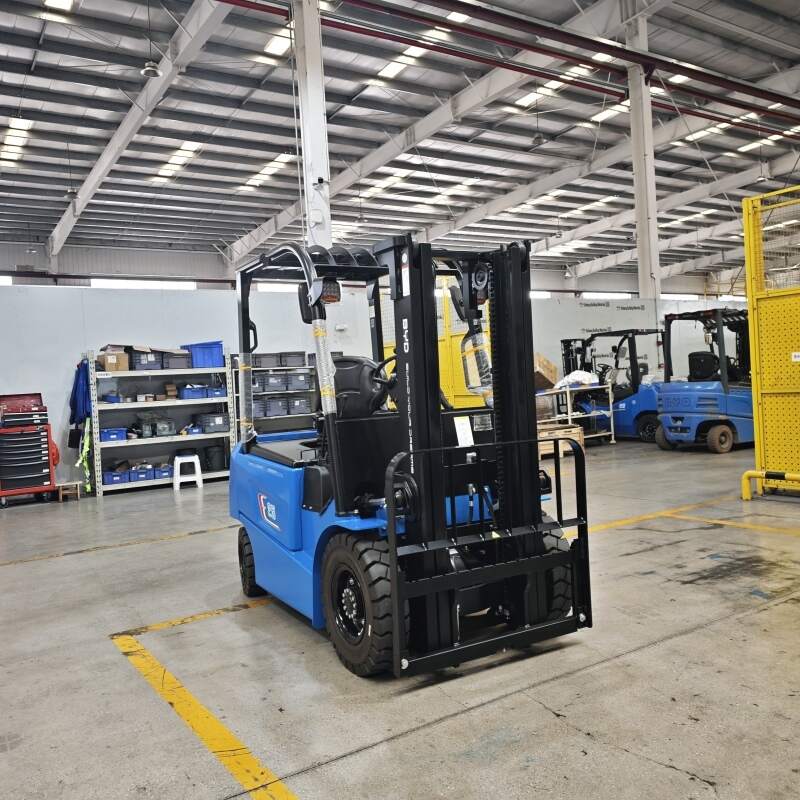
Against the background of continuous popularization of green logistics in modern industrial scenarios, electric forklifts have become one of the most widely used material handling equipment in ordinary warehouses, manufacturing workshops and distribution centers. For frontline operators and logistics managers, mastering standardized use and systematic management methods can effectively extend the service life of equipment and create more stable operational value for related scenarios.
Core Standardized Operation Guidelines
In daily operation, operators need to complete pre-drive inspection before each start, including checking the remaining battery level, the flexibility of steering and braking system, and the wear condition of the loading forks. It is not recommended to carry loads that exceed the rated load of the equipment for a long time, and keep the load center within the specified range to avoid tilting or unbalanced stress of the vehicle body. When driving on narrow passages or uneven ground, operators need to control the driving speed properly, and keep a safe distance from surrounding personnel, stacked goods and shelf structures, to avoid accidental collision risks that may cause unnecessary loss.
Key Points of Routine Daily Maintenance
Different from traditional internal combustion forklifts, electric forklifts have relatively low requirements for power system maintenance, but the health status of the battery pack needs regular targeted attention. Operators should keep the outer surface of the battery clean and dry, check the tightness of the connecting terminals regularly, and avoid over-discharging or long-term under-charging of the battery to reduce unnecessary capacity attenuation. The walking motor and hydraulic lifting system also need regular inspection of lubrication status, to reduce the friction loss of mechanical parts during long periods of continuous operation.
Scenario-based Performance Optimization Suggestions
In different application scenarios, users can adjust the operation parameters of electric forklifts appropriately according to actual working demands. For low-intensity short-distance handling in small-sized warehouses, users can set a reasonable speed limit to reduce extra energy consumption. For high-intensity multi-shift operation scenarios, it is recommended to arrange a reasonable battery rotation plan, to avoid interrupting the normal operation rhythm due to sudden power shortage. These targeted adjustment methods can help enterprises give full play to the advantages of electric forklifts in low noise, zero local emission and low operation cost, and support the stable operation of the whole material handling link.


