
 简体中文
 Русский
 Français
 Português
 Español
 لالعربية


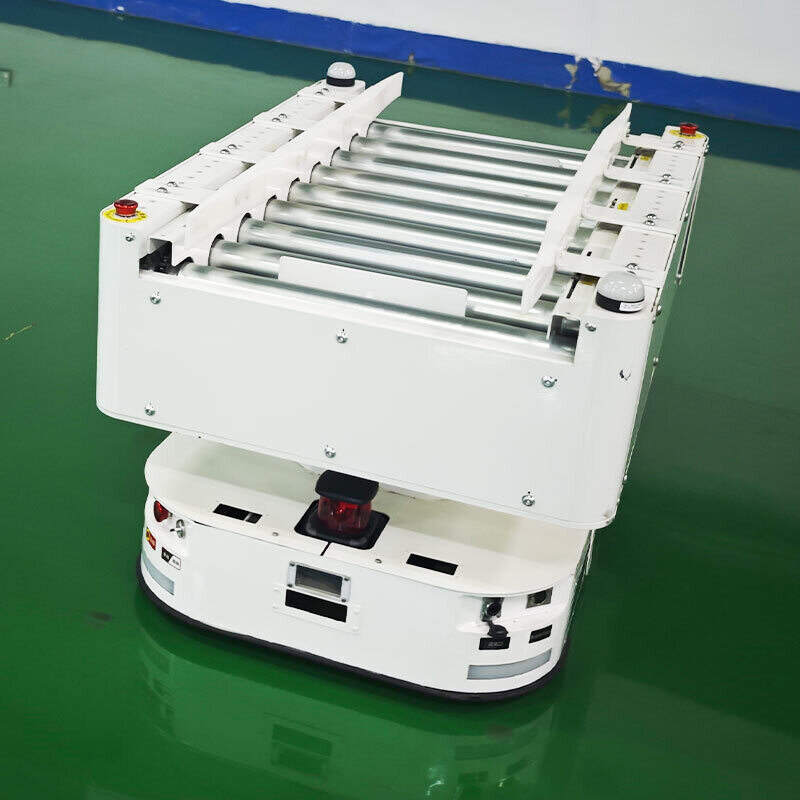
As the core equipment of modern warehouse material handling, electric forklifts have been widely applied in various industrial scenarios for their low noise, zero local emission and relatively low operating cost characteristics. Mastering correct operation and maintenance knowledge can help operators give full play to the equipment’s performance, reduce unnecessary wear and avoid potential safety risks in daily work.
Basic Daily Operation Specifications
Operators need to receive standardized pre-job training before formally using the electric forklift, and complete necessary pre-start checks each time before operation, including checking the integrity of tire condition, brake sensitivity, lifting mechanism flexibility and safety protection devices. During operation, operators should control the driving speed according to the site road condition, load weight and surrounding personnel density, avoid sudden acceleration, sudden braking and sharp turning with heavy loads, and never exceed the rated load capacity marked on the equipment body, so as to prevent tilting of the vehicle or falling of goods.
Scientific Energy Management Practices
The power system of electric forklift directly determines the continuous working time and the overall service life of the core components. Operators should arrange the charging plan according to the actual work schedule, avoid long-term deep discharge of the power unit, and follow the official recommended charging process to complete the whole charging in a well-ventilated, cool and dry dedicated charging area. Regularly check the connection status of power interfaces, remove dust and accumulated debris on the surface of the power module to avoid poor contact or local overheating during the working process.
Routine Preventive Maintenance Guidance
Regular daily, weekly and monthly inspection and maintenance work can effectively extend the average service cycle of electric forklifts. For the transmission and walking system, timely clean up the debris stuck in the gap of moving parts, add proper amount of special lubricant according to the operation manual requirements, and check the wear degree of easily worn parts regularly. For the hydraulic lifting system, pay attention to the change of hydraulic oil quality, replace the aging sealing parts in time if oil leakage phenomenon is found, to keep the lifting action stable and smooth. Following these standardized operation and maintenance rules can help enterprises reduce the comprehensive use cost of material handling equipment, create a safer and more efficient warehouse operation environment.


