
 简体中文
 Русский
 Français
 Português
 Español
 لالعربية


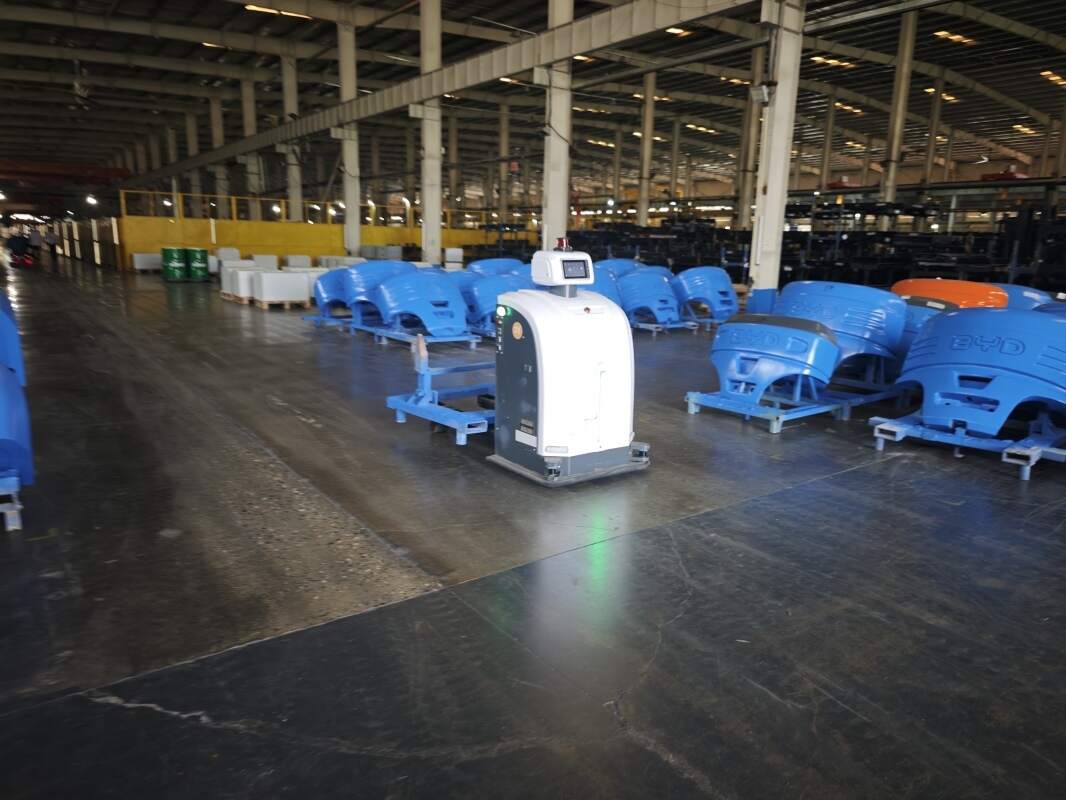
As low-carbon logistics and warehousing industries develop rapidly, electric forklifts have become widely applied core material handling equipment across various industrial scenarios. Mastering standard use rules and maintenance knowledge can help relevant personnel give full play to the equipment’s advantages in low noise, zero on-site emission and flexible operation, avoiding unnecessary operation risks and extra cost.
Core Operating Specifications for Daily electric forklift Usage
Before each startup, operators need to conduct full appearance and function inspection, including checking remaining battery level, flexibility of brake and steering system, normal operation of warning lights and horns, to confirm no abnormal hidden dangers before formal operation. During the operation process, personnel should strictly refer to the equipment’s rated load parameter to place goods on the pallet, avoid overloading beyond the specified range, and do not allow any personnel to stand or move on the fork arm. When passing narrow passages, turning around or driving on sloped roads, operators need to reduce speed properly and send out voice reminders to surrounding staff, to reduce the probability of collision accidents.
Routine Maintenance Tips to Extend Equipment Service Life
Reasonable daily maintenance can effectively reduce the failure rate of electric forklifts in long-term use. For the power battery component, users need to regularly check the electrolyte level for lead-acid battery models, avoid overcharging or deep discharging behavior, and clean the dust on the battery surface in time to prevent short circuit caused by accumulated moisture. For the power system and transmission structure, operators need to regularly clean the dust and debris around the motor heat dissipation port, add professional lubricating oil to the transmission and walking components according to the specified cycle, and park the equipment on flat hard ground, pull the hand brake and cut off the main power supply after each work shift.
Scene Adaptation Optimization for Different Working Conditions
According to different actual working scenarios, operators can make appropriate adjustment to the use mode of electric forklifts to obtain better application effect. For low-temperature cold storage scenarios, users can pre-run the equipment for a few minutes before formal operation, to avoid the power battery being affected by low temperature environment to reduce output efficiency. For high-humidity working scenarios, relevant personnel need to do a good job of sealing protection for the exposed circuit interface regularly, to prevent potential safety hazards caused by moisture intrusion. Regular targeted skill training for front-line operators can also help the team form good operation habits, further improve the overall operation efficiency of material handling links.


