
 简体中文
 Русский
 Français
 Português
 Español
 لالعربية


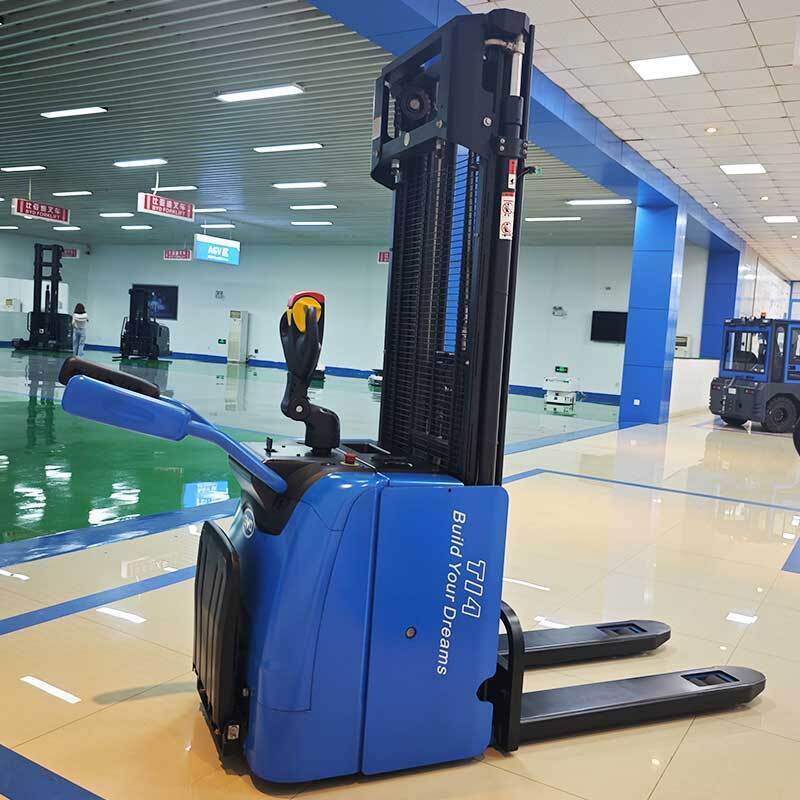
Against the backdrop of growing demand for low-carbon and low-noise material handling solutions, electric forklifts have become one of the most widely adopted equipment in indoor logistics scenarios in recent years. For frontline operators and warehouse managers, mastering proper usage rules and maintenance knowledge can help maximize the value of the equipment without unnecessary extra cost.
Fundamental Daily Operation Guidelines
Before starting each shift, operators need to complete a full pre-use check covering brake sensitivity, remaining power level, fork deformation status and lighting function, to eliminate hidden risks in advance. During operation, personnel need to avoid overloading beyond the rated load, and keep stable driving speed on narrow aisles to avoid collision with shelves or surrounding personnel. When the equipment runs on sloped roads, operators should keep the load facing the uphill direction to prevent goods from falling off, and avoid sudden acceleration or sudden brake that may cause damage to the driving motor.
Standardized Regular Maintenance Protocols
Daily cleaning work should be arranged after each shift, to wipe off the dust and residual goods debris attached to the equipment body, especially the heat dissipation area of the driving system to avoid affecting heat dissipation effect. For the energy storage unit, operators should follow the official charging guidance, avoid long-term overcharging or full power depletion, and check the connection terminals regularly to remove possible oxidation traces. The hydraulic oil level of the lifting system should be inspected every two weeks, and supplement the designated lubricating oil as required to keep the lifting action smooth. Any abnormal running noise or functional failure should be reported to professional maintenance personnel for handling in time, and non-professionals are not suggested to dismantle internal components without permission.
Feasible Efficiency Improvement Strategies
To improve overall operational efficiency, warehouse teams can optimize the material handling route according to the actual layout of the storage area, reduce unnecessary round trips, and match the maximum lifting height of the electric forklift with the shelf height to give full play to the performance of the equipment. Regular targeted skill training for operators can help them master operation skills more proficiently, shorten the time of loading and unloading goods, and reduce the idle time of the equipment. Arranging reasonable usage schedule according to the operation peak can also avoid mutual conflict of usage demand, and further improve the turnover efficiency of material handling. Following the above rules can help teams get more stable operation performance of electric forklifts, and create more reliable value for daily logistics work.


