
 简体中文
 Русский
 Français
 Português
 Español
 لالعربية


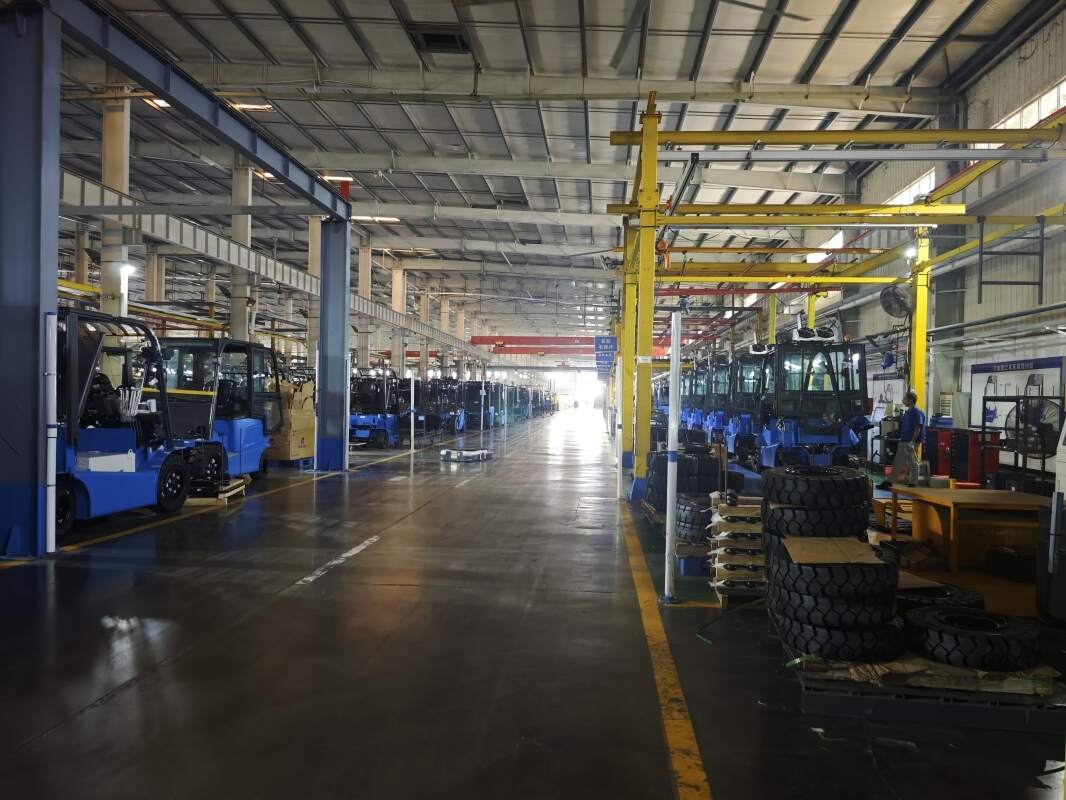
As low-carbon logistics development gains wider recognition across the whole industry, electric forklifts have become one of the mainstream material handling equipment for modern warehousing and logistics scenarios, bringing obvious advantages in energy consumption control and operation noise reduction. Mastering systematic professional knowledge of electric forklifts can help relevant practitioners maximize the use value of such equipment under proper operation and management conditions.
Core Standardized Operation Specifications
Before starting any formal operation, operators need to complete full pre-use checks including remaining power status, brake sensitivity, lifting accessory flexibility and surrounding environment clearance, to avoid potential hidden risks caused by missed check links. During the whole driving process, operators should keep the driving speed within the safe range corresponding to different site conditions, keep a proper safe distance from surrounding personnel and stacked goods, and avoid sudden steering or emergency braking when carrying loads. When lifting or lowering goods, it is necessary to keep the load center within the allowable range of the equipment load curve, to avoid accidental tilting caused by eccentric overloading that may damage the goods or equipment.
Daily Routine Maintenance Tips
Standardized regular maintenance work can effectively extend the service life of electric forklifts, and the most core maintenance work focuses on the power system, transmission system and walking structure. For the power assembly, practitioners need to regularly check the connection tightness of each wiring interface, clean the accumulated dust on the surface of the power module according to the specified cycle, and avoid using non-matched charging parameters for daily charging operations. For the transmission and walking parts, it is necessary to regularly check the wear degree of the walking wheel set, add proper amount of lubricating oil to the rotating parts according to the actual operation frequency, and clean the sundries wrapped around the wheel shaft in time to keep the walking state smooth. After each operation cycle, operators need to park the equipment in the specified designated area, turn off the power supply completely, and fill in targeted inspection records according to the actual operation duration.
Applicable Scenario Matching Principles
Different electric forklift configurations are designed to meet different actual operation demands, and users need to select appropriate specifications according to their actual site conditions. For closed indoor warehouse scenarios with high density of personnel and goods, models with low noise level and zero local emission can better meet the long-time continuous operation demand. For outdoor non-paved sites with certain gradient conditions, users can choose models with proper power performance and better passing performance, to adapt to relatively complex site conditions. Before selecting equipment, users can make reasonable configuration matching according to the average daily operation duration, maximum handling weight and average channel width, to avoid improper performance surplus or insufficient configuration that affects overall operation efficiency.


