
 简体中文
 Русский
 Français
 Português
 Español
 لالعربية


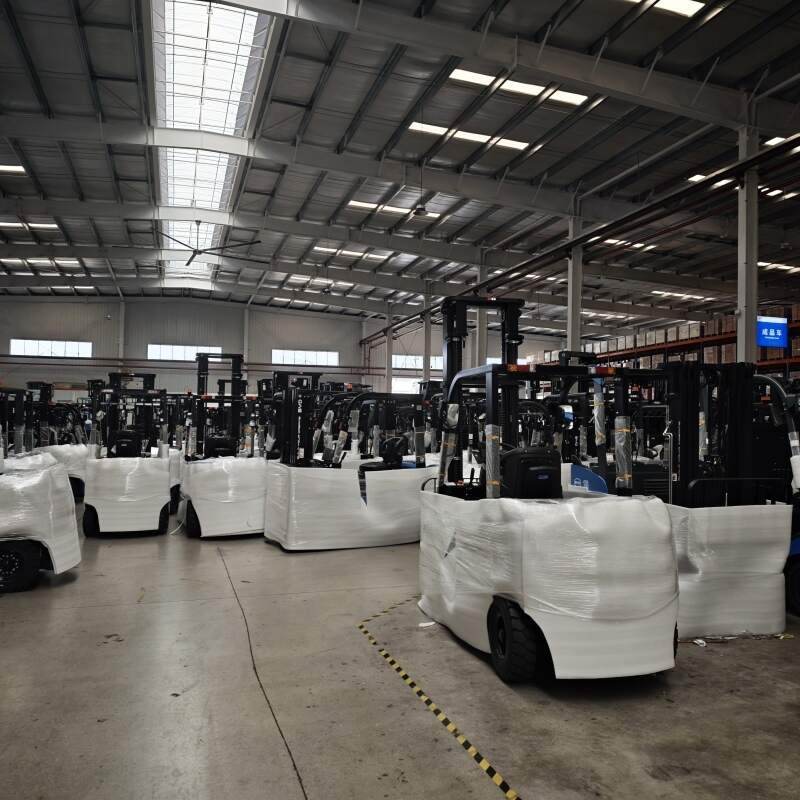
As the global logistics and warehousing industry accelerates low-carbon transformation, electric forklifts have gradually become one of the most widely used material handling equipment in indoor and closed working scenarios. This guide, compiled by senior practitioners with years of experience in the electric forklift sector, shares practical, field-verified knowledge for frontline operators, warehouse managers and equipment procurement staff.
Core Performance Advantages of Modern Electric Forklifts
Different from traditional internal combustion handling equipment, standard electric forklifts rely on electric power drive systems to output stable torque, which can maintain consistent power output even when carrying full rated loads on gentle slopes. Most current models produce almost no exhaust emissions during operation, which can effectively avoid air pollution in enclosed warehouse spaces, and reduce the health risk of long-term exposure for on-site staff. The average operating noise of qualified electric forklifts is far lower than that of fuel-powered counterparts, which can create a quieter working environment for distribution centers that run 24 hours a day, and reduce the interference to surrounding office areas.
Key Daily Maintenance Points to Extend Service Life
Daily routine maintenance of electric forklifts does not require overly complex professional operations, and frontline staff can complete most basic inspection tasks within 10 minutes before each shift. The core of maintenance work focuses on the power system, operators should check the power level status before starting the machine every day, avoid deep discharge that drains all power during daily use, and arrange charging in time when the remaining power drops to 20% to 30% of the total capacity. It is also necessary to regularly clean the dust and sundries on the surface of the drive motor and heat dissipation structure, check the wear degree of tires and the flexibility of the lifting hydraulic system, and arrange professional personnel to conduct a full safety inspection once every three months.
Scenario Matching Principles for Different Warehouse Operations
When selecting electric forklift models, users need to match parameters according to their actual operation scenarios, instead of blindly pursuing excess load capacity. For small and medium-sized e-commerce warehouses with narrow aisle width, compact lightweight electric forklift models with small turning radius can improve the operation turnover efficiency per unit time. For outdoor open stacking yards with frequent operation intensity, models equipped with enhanced protection structures for power components can better adapt to complex weather and road conditions. Reasonable matching of equipment and scenarios can effectively reduce unnecessary energy consumption, and bring more stable long-term operation benefits for the enterprise.


