
 简体中文
 Русский
 Français
 Português
 Español
 لالعربية


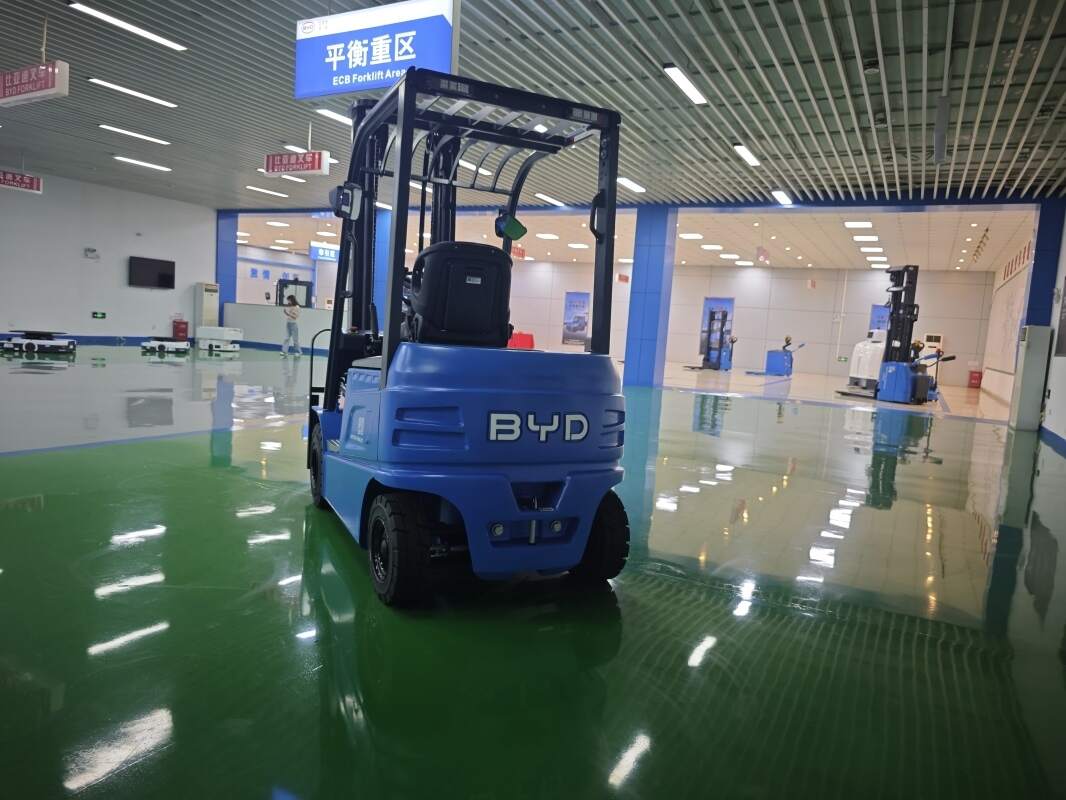
As core material handling equipment widely adopted in modern warehousing, manufacturing and logistics scenarios, electric forklifts have gained growing popularity for their low emission and easy operation features. Many frontline operators still lack systematic understanding of correct using methods, which may cause unnecessary equipment wear, hidden safety risks and extra operation cost. This guide sorts out practical professional knowledge for all relevant practitioners to refer to.
Core Applicable Scenarios for electric forklift Deployment
Modern electric forklifts are powered by clean energy, which produce no tail gas during operation, making them highly suitable for enclosed storage spaces, food processing workshops, cold chain operation zones and other scenarios with strict requirements for air quality. The running noise of qualified electric forklifts is much lower than that of traditional internal combustion counterparts, which can effectively reduce noise pollution in working areas and create a more comfortable working environment for on-site staff. The power output of most standard models can meet the daily needs of medium-weight cargo stacking and short-distance transfer, with relatively controllable daily energy consumption cost that matches the low-carbon operation plans of most enterprises.
Standard Operation Norms to Reduce Unnecessary Equipment Wear
Operators need to complete systematic pre-job training and get familiar with the corresponding functions of control handles, braking systems and lifting structures before formal operation. Before starting the equipment, operators need to check the surrounding working area to confirm no irrelevant personnel or obstacles exist, adjust the sitting position and rearview angle, and test the braking performance to ensure it stays in normal state. During operation, it is necessary to keep proper driving speed, slow down in advance when turning, passing narrow passages or entering areas with dense personnel, avoid overloading, and place cargos at the center of the forks to prevent unbalanced load.
Daily Low-cost Maintenance Routines to Extend Service Life
After finishing daily operation, operators need to clean up the dust and residual debris attached to the equipment surface in time, especially the heat dissipation area of the battery pack, to avoid sundries accumulation affecting normal heat dissipation effect. It is recommended to check the battery status regularly, and follow the official guidance to complete charging procedures, avoiding excessive deep discharge or frequent incomplete charging that will cause non-natural loss of battery units. Operators can check tire wear condition and hydraulic system for leakage traces every week, and report small abnormal signs to maintenance personnel in time to prevent minor issues from evolving into major faults.
Common Misoperations to Avoid for Long-term Stable Use
Do not operate the equipment continuously under conditions exceeding the rated load, and do not use forks to pry heavy objects on the ground, as such actions will easily damage the sealing parts of the hydraulic lifting structure. Do not park the equipment for a long time on slopes exceeding the design allowed angle, keep uniform low speed when driving on slopes, and avoid turning or sudden speed change on sloped roads. For long-term idle equipment, it is necessary to replenish power regularly, keep the body clean and place it in a dry ventilated area to prevent core electronic components from getting damp.


