
 简体中文
 Русский
 Français
 Português
 Español
 لالعربية


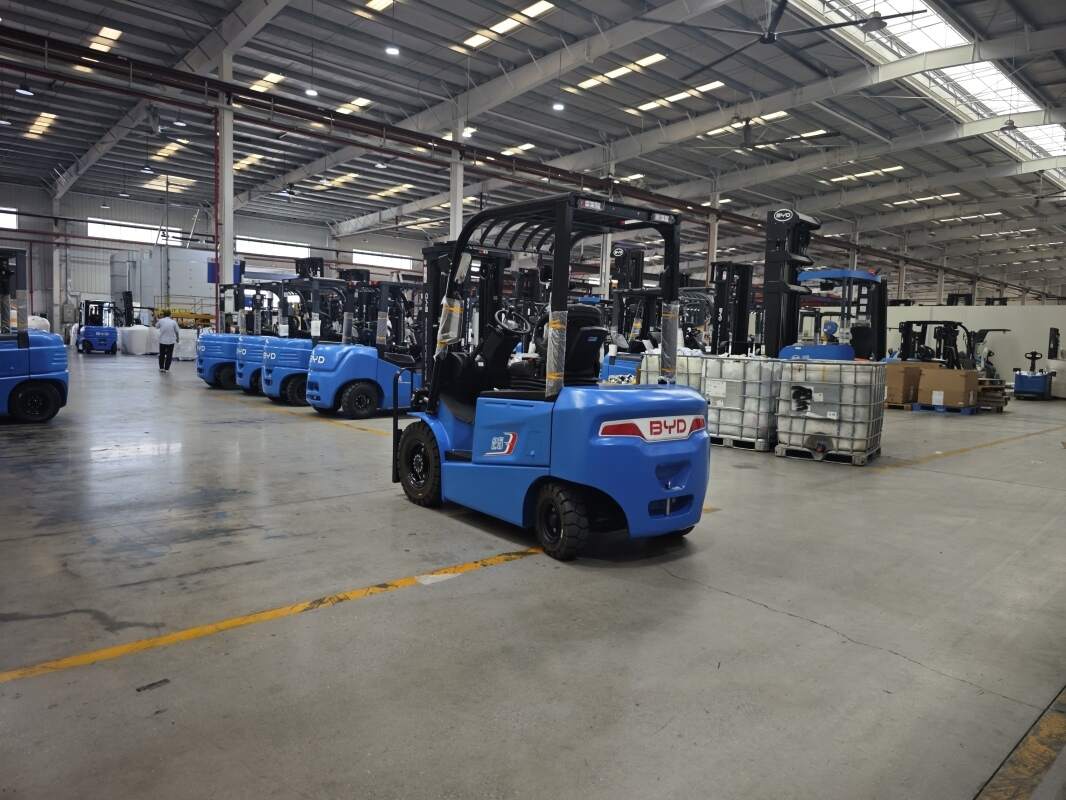
As low-carbon material handling solutions are widely adopted across global logistics and manufacturing industries, electric forklifts have become the preferred equipment for most indoor and semi-enclosed operation sites. For frontline operators and warehouse managers, mastering systematic knowledge of operation and maintenance can help avoid unnecessary operational risks and reduce long-term operating costs effectively.
Core Advantages of Modern Electric Forklifts
Different from traditional internal combustion powered handling equipment, modern electric forklifts run on rechargeable power modules, which produce no exhaust emission during the whole operation process. The overall noise level during operation is also relatively lower, which can reduce the occupational noise exposure of operators working in closed spaces for long hours. The power output curve of electric drive system is smoother, which can offer more precise control for frequent short-distance handling and goods stacking operations in narrow warehouse aisles, and create a more comfortable working environment for surrounding staff.
Standard Operating Specifications for Daily Use
Before starting the equipment every day, operators need to complete necessary pre-checks, including confirming the remaining power level, checking the flexibility of steering system and brake parts, and making sure the lifting forks are free from obvious deformation or surface cracks. During operation, operators should keep their sight aligned with the running direction, avoid sudden acceleration or emergency stop on slippery ground, and strictly follow the rated load limit of the equipment to prevent goods from falling accidentally. It is not allowed to carry extra personnel on the operation platform, or extend the lifting forks out of the allowed running range when moving along pedestrian aisles.
Routine Maintenance Rules to Extend Equipment Lifespan
After finishing the daily operation tasks, operators need to park the equipment at the designated charging position, lower the lifting forks to touch the ground completely, and turn off all power switches properly. The power modules should be charged following the official recommended operation process, and over-discharging or over-charging should be avoided as much as possible. Operators can wipe the surface of the equipment regularly to remove accumulated dust and spilled cargo residues, and arrange regular inspection for wearing parts such as brake pads and tire surfaces according to the actual operation frequency, to replace worn parts in time before they cause further functional damage.
Applicable Scenario Optimization Suggestions
For sites with high operation intensity for more than 8 hours per day, it is recommended to arrange proper shift arrangement for operators and prepare standby power modules to avoid unexpected downtime caused by insufficient power. For special operation sites like cold storage areas, targeted protection measures for power modules can be taken to keep the operation performance stable within the proper temperature range.


