
 English
 简体中文
 Français
 Português
 Español
 لالعربية


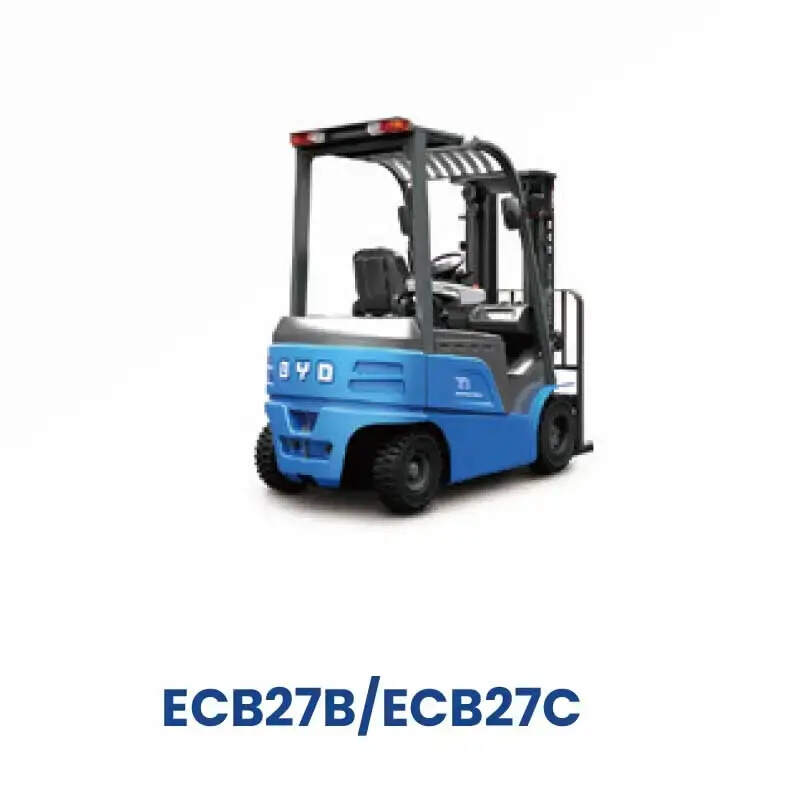
With the continuous upgrading of green logistics and warehouse operation requirements, electric forklifts have become one of the most widely used material handling equipment in various industrial scenarios in recent years, and mastering correct use and management methods can help operation teams give full play to the equipment’s value under the premise of ensuring work safety.
Core Functional Characteristics of Modern Electric Forklifts
Unlike internal combustion powered counterparts, modern electric forklifts produce no local exhaust emissions during operation, and the overall operating noise is kept at a relatively low level, which is very suitable for closed indoor storage spaces, food processing workshops, and medical product storage areas that have strict requirements for ambient air quality. The power output of electric forklifts is smoother during operation, and there will be no obvious stalling or unstable power output under medium load conditions, which can reduce the shaking risk of fragile goods during handling, and bring a more comfortable operating experience for on-site operators.
Standardized Daily Operation Requirements
Before each shift of operation, operators need to complete a full pre-operation check, including confirming remaining battery power, testing the sensitivity of the braking system, checking the lubrication status of the hydraulic lifting structure, and verifying that all warning lights and sound reminders are in normal working condition. During the operation process, operators should strictly follow the rated load standard, avoid long-time high-load lifting beyond the specified range, keep a safe distance from surrounding personnel and obstacles, and avoid sharp steering on sloped roads. When the equipment needs to be parked for a long time, operators should pull the handbrake completely, cut off the main power supply, and do not leave the operating handle in a random unlatched state.
Reasonable Routine Maintenance Methods
Daily maintenance work does not require overly complex operation steps, the main work includes regularly cleaning the dust and sundries on the surface of the battery assembly, checking the wear degree of the solid tires regularly to avoid excessive unbalanced wear affecting the driving stability, and checking the liquid level of the hydraulic oil at fixed intervals to ensure the normal operation of the lifting structure. The exposed electrical connection ports need to be inspected regularly to avoid poor contact caused by dust accumulation, and the equipment should not be washed with high-pressure water directly to prevent liquid from penetrating into the electronic control system and causing unnecessary failure. When the equipment is left unused for more than three days, the relevant team needs to arrange regular supplementary charging to avoid deep power loss that will shorten the overall service life of the battery.
Scenario Adaptation Optimization Suggestions
For different actual operation scenarios, the operation team can adjust the usage strategy appropriately to get better performance. For narrow aisle warehouses that require frequent turning, operators can properly control the driving speed to reduce the wear of steering components. For low temperature operation environments, it is recommended to pre-warm the power system for a few minutes before formal operation to get stable power output. Arranging the handling route reasonably to reduce unnecessary repeated driving can also effectively reduce power consumption, and improve the overall daily operation efficiency to a certain extent.


