
 English
 简体中文
 Français
 Português
 Español
 لالعربية


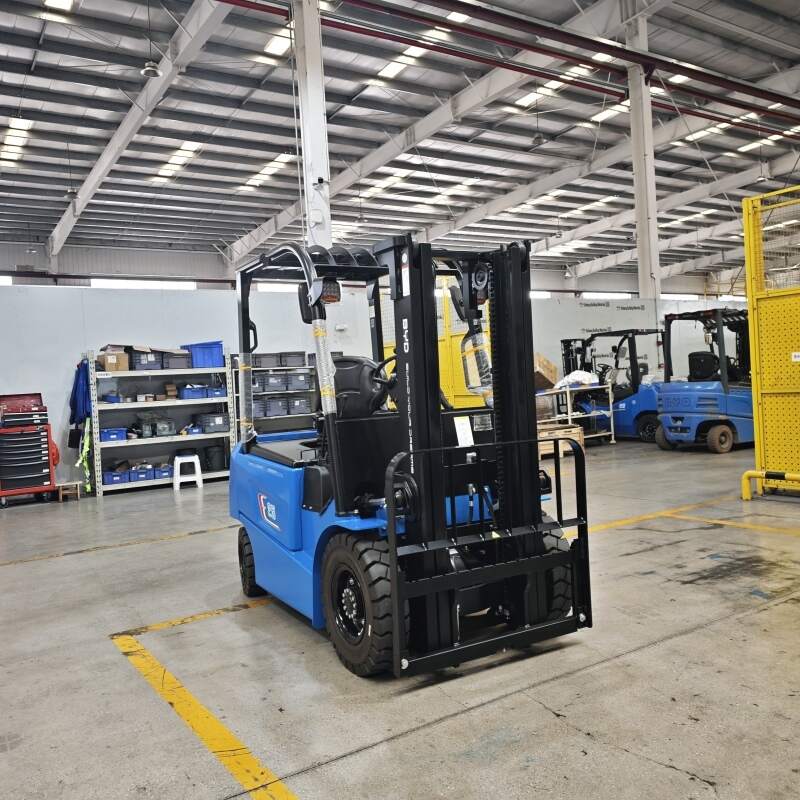
Electric forklifts have become one of the most widely used material handling equipment in modern warehouses, manufacturing workshops and distribution centers, thanks to their low noise, zero on-site emission and flexible operation features. Mastering scientific operation and maintenance methods can help relevant personnel give full play to the performance of the equipment, reduce unnecessary wear and lower overall operating cost.
Core Operation Specifications for Daily Use
Before starting the equipment each time, operators shall carry out basic inspection on key components including the brake system, lifting mechanism, tire condition and power connection state, to eliminate hidden risks in advance. During the operation process, personnel shall strictly follow the load limit requirements specified in the equipment manual, avoid overloading operation for a long time, and keep stable driving speed when turning, passing narrow channels or carrying goods at high positions. Operators shall also avoid sudden start, sudden braking and sharp steering during driving, so as to prevent the goods from falling off and avoid additional impact damage to the chassis and power system of the equipment.
Routine Maintenance to Prolong Service Life
After each daily use, operators shall wipe the surface of the equipment, clean up the dust and debris accumulated on the heat dissipation structure of the power system, and check the remaining power level to complete charging in a standard environment that meets temperature and ventilation requirements. Regular weekly inspection shall cover the wear degree of transmission parts, the tightness of connecting fasteners and the sensitivity of safety protection components, and replace the seriously worn consumable parts in time according to the actual use frequency. It is not recommended to store the equipment in a humid, high temperature or corrosive environment for a long time, so as to avoid unnecessary damage to the circuit system and metal structural parts.
Energy Efficiency Optimization Strategies
Reasonable operation habits can effectively reduce the energy consumption level of electric forklifts in daily use. For example, planning a reasonable handling route in advance to reduce unnecessary empty driving distance, avoiding long time of continuous high load operation, and adjusting the driving speed according to the actual site road conditions can all help to extend the single continuous working time of the equipment. Regular performance calibration of the power output system can also keep the equipment running in a relatively efficient state, so as to reduce the overall energy consumption cost in the long-term use process. Following the above scientific guidance can help enterprises better utilize the value of electric forklift equipment, create a safer and more efficient material handling working environment, and support the stable operation of daily logistics and production links.


