
 简体中文
 Русский
 Français
 Português
 Español
 لالعربية


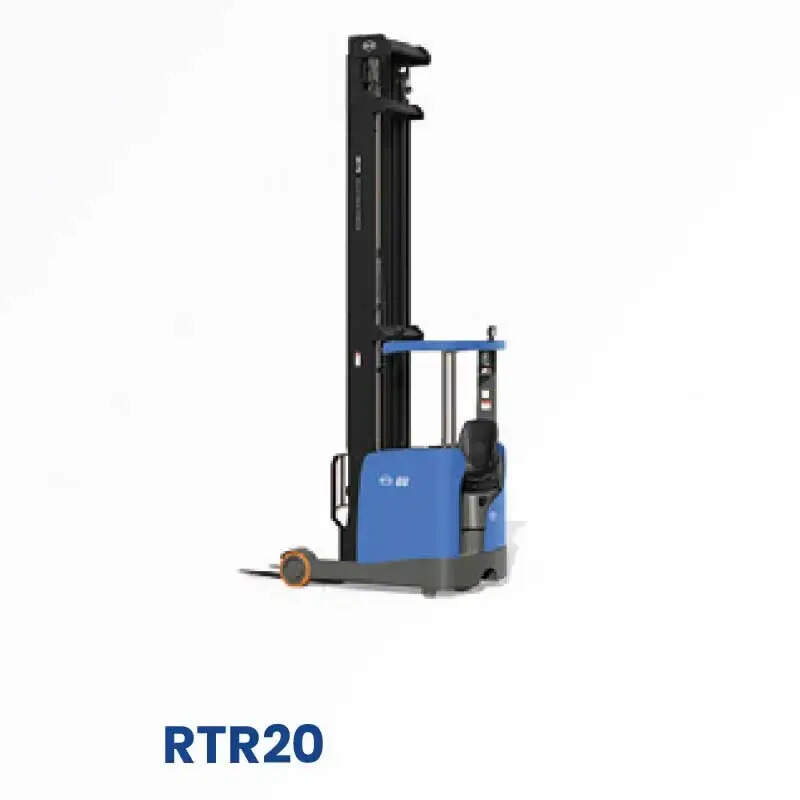
As a core piece of modern logistics handling equipment, electric forklifts have been widely applied in various warehouse, manufacturing and distribution scenarios in recent years. Mastering relevant professional knowledge can help operators give full play to the performance of the equipment and obtain more stable operation experience.
Core Performance Characteristics of Electric Forklifts
Unlike traditional internal combustion handling equipment, electric forklifts rely on electric power as the only energy source, which produces no local exhaust emission during operation, and keeps relatively low running noise. Such features make them suitable for closed indoor working scenarios that have strict requirements for environmental cleanliness, such as food storage workshops, pharmaceutical distribution centers and retail e-commerce warehouses. The overall energy consumption cost per unit running time is relatively stable, which can fit the long-term continuous working demand of most medium and small logistics sites.
Standard Operation Specifications for Daily Use
Before each formal operation, operators need to complete necessary pre-inspection work, including checking the remaining battery power, the flexibility of the brake and steering system, and the smoothness of the fork lifting structure. During the operation process, it is recommended to start and accelerate at a gentle speed, slow down in advance when turning, and keep a sufficient safety distance with surrounding goods and personnel in narrow warehouse aisles. Operators should not exceed the rated load capacity of the equipment for handling, and it is not allowed to use the fork to carry people for height-related operations. All operating personnel need to receive corresponding professional training before taking up the post.
Routine Daily Maintenance Suggestions
After each use, operators need to clean up the sundries attached to the surface of the equipment and the gaps of the wheel structure in time. The charging work should be carried out in the specified ventilated and dry area, and avoid long-term over-discharge of the battery to extend the overall service life of the power unit. The lubrication maintenance of the rotating connecting parts can be carried out on a regular cycle, and the electrical connection ports should be checked regularly to avoid abnormal corrosion that may affect normal power supply. Following the above use and maintenance rules can effectively reduce the probability of equipment failure, and bring more stable operation effect for daily material handling work.


