
 简体中文
 Русский
 Français
 Português
 Español
 لالعربية


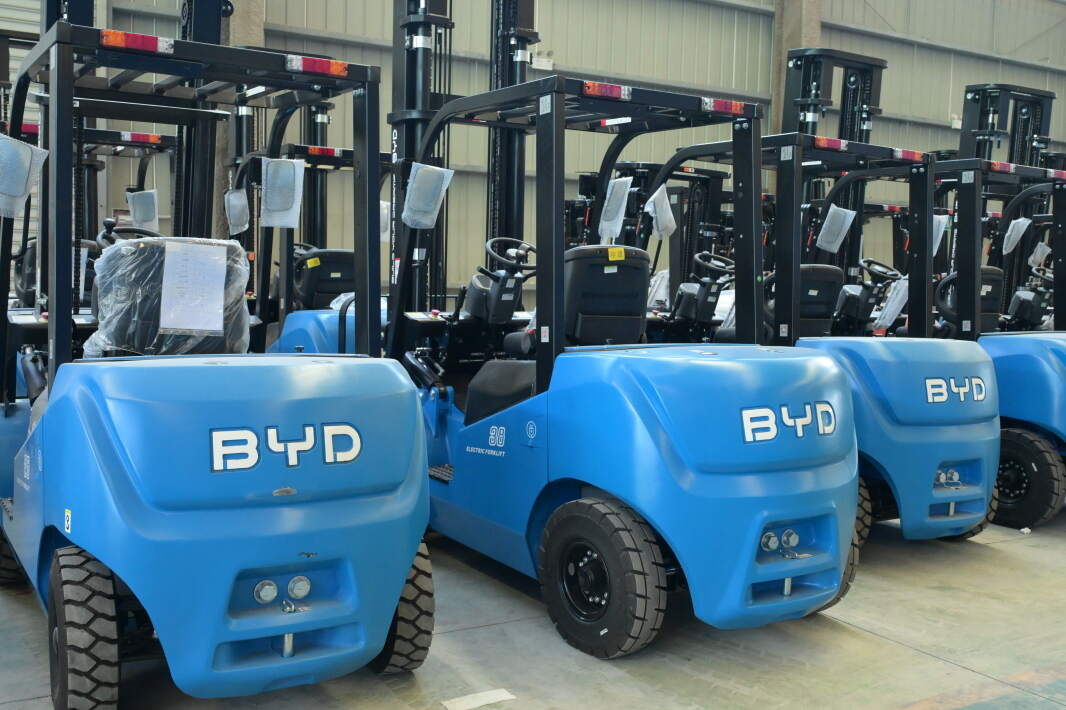
As new energy logistics equipment gains wider popularity across global warehouse and material handling scenarios, electric forklift has become a core facility that draws attention from operation managers for its low noise, zero on-site emission and relatively low long-term use cost. Mastering systematic knowledge of its proper use and maintenance can help teams avoid unnecessary operation risks and extend the service cycle of the equipment.
Core Performance Features of Electric Forklift
Different from fuel-powered counterparts, electric forklift runs on stored battery power, which does not produce tail gas during operation, making it suitable for enclosed indoor warehouse, food processing storage and other scenarios that have strict requirements for air quality. The overall vibration and noise level during running is also far lower than traditional internal combustion equipment, which can effectively reduce the long-term work fatigue of operators, and meet the environmental protection rules of more and more industrial parks and urban logistics zones. Most models of electric forklift also have relatively compact body size, which can flexibly pass through narrow aisle spaces in high-density storage warehouses, improving the utilization rate of limited storage space.
Standard Operation Specifications for Daily Shifts
Before starting the equipment every shift, operators need to check the remaining power level, the flexibility of lifting and steering mechanism, as well as the sensitivity of all brake components. It is not recommended to overload the equipment beyond the marked load limit, and operators should keep stable running speed when turning and walking on wet and slippery ground to avoid cargo tipping. When the equipment is not in use, the fork should be lowered to the horizontal position close to the ground, and the power supply should be cut off properly to avoid accidental touch by unrelated personnel.
Practical Daily Maintenance Suggestions
Routine maintenance work does not require overly complex operations, operators only need to wipe the dust on the equipment surface regularly, check the connector of the battery pack to avoid poor contact caused by dust accumulation, and charge the battery according to the specified operation instructions to avoid deep discharge that may affect the overall health status of the battery pack. Regular professional inspection on the motor and control system can eliminate hidden risks in the early stage, and reduce the unexpected downtime during peak operation periods, bringing more stable operation experience for frontline material handling teams.


