
 简体中文
 Русский
 Français
 Português
 Español
 لالعربية


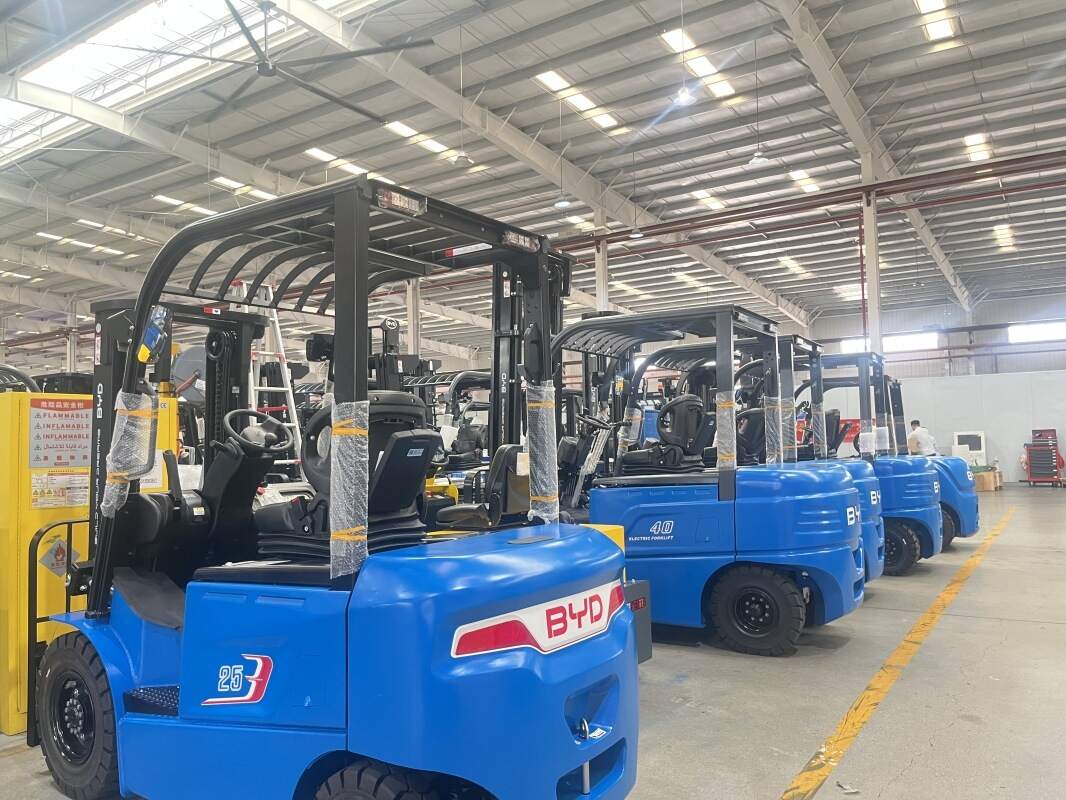
In modern warehouse and industrial material handling sectors, electric forklifts have emerged as core widely deployed handling equipment for daily operations. Mastering systematic knowledge of its operation rules, maintenance logic and usage notes can help operators maximize the utilization value of the equipment, reduce unnecessary operation risks, and create more stable working conditions for entire handling workflows.
Core Advantages of Electric Forklifts in Modern Material Handling
Compared with traditional internal combustion powered handling equipment, electric forklifts produce no exhaust emission during operation, and generate much lower running noise, which makes them more suitable for enclosed indoor storage spaces, and avoids exhaust accumulation in relatively sealed working areas. Its smooth power output also reduces the possibility of cargo collision and damage during loading and unloading processes, which can well adapt to industries that have high requirements for operation environment cleanliness.
Standardized Daily Operation Specifications
Operators need to complete corresponding systematic skill training before formally taking posts to operate the equipment. Before each startup, they need to check the performance of the braking system, remaining power level, and flexibility of the lifting structure, confirm that there are no irrelevant personnel or obstacles in the surrounding working area before starting the equipment. During driving process, control the running speed properly, honk in advance when turning or passing narrow channel entrances to remind surrounding personnel. Keep the forks at a relatively low position when moving with loaded goods, to avoid potential rollover risks caused by too high cargo center of gravity.
Routine Maintenance Tips to Extend Equipment Service Life
After daily operation ends, operators need to clean up sundries and residual stains on the equipment surface in time, check that the connecting contacts of the power unit are in dry and clean state. Follow the guidance of official operation manual to complete regular battery charging and discharging maintenance, do not leave the equipment in low power state for a long time. Check the sealing parts of the hydraulic system regularly for leakage, add hydraulic oil that meets specified requirements in time, to avoid extra abrasion caused by dry friction of components.
Scenario-based Operation Optimization Suggestions
When working in low temperature environments, reserve enough preheating time for the equipment before formal operation, to avoid insufficient battery activity caused by low temperature that affects normal power output. When carrying out short time operation in humid outdoor sites, avoid deep water accumulation areas, to prevent circuit components from being damaged by water intake. When transporting special large size irregular goods, adjust the fork spacing in advance, confirm that the goods are firmly bound before moving the equipment slowly, do not attempt handling tasks that exceed the rated load of the equipment. Following the above operation and maintenance rules in daily usage can help electric forklifts maintain stable running state for a long period, and provide reliable continuous support for daily material handling work.


