
 简体中文
 Русский
 Français
 Português
 Español
 لالعربية


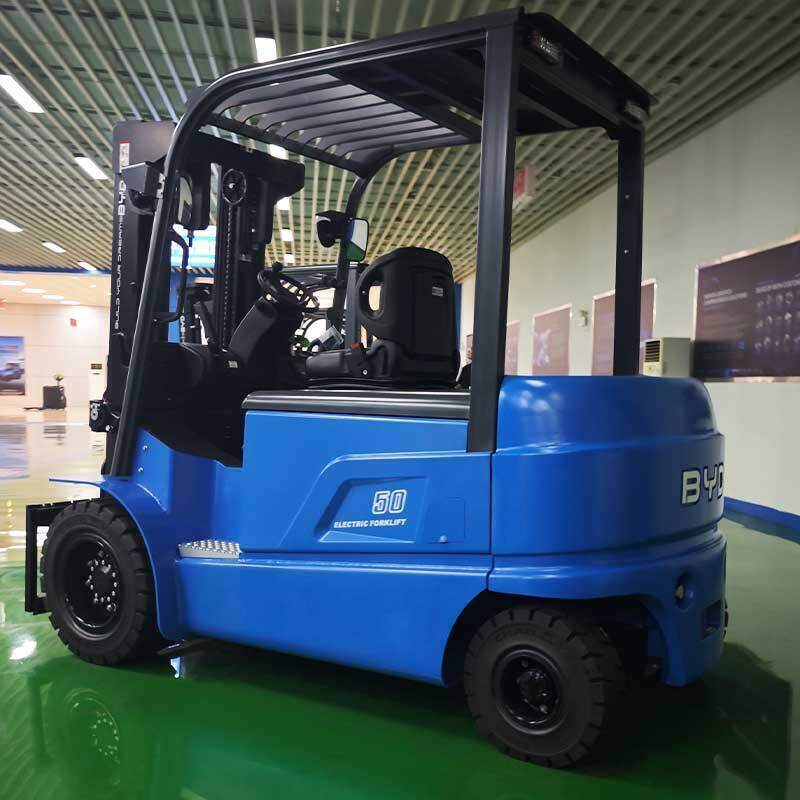
Electric forklifts have gradually become the mainstream material handling equipment in modern warehousing, manufacturing and logistics scenarios, thanks to their low noise, zero local emission and relatively low long-term operation cost. Many operators and enterprise managers still lack systematic cognition of correct usage and maintenance methods, which easily leads to unnecessary performance loss and extra operation expenditure. This guide sorts out practical, industry-recognized operation and management suggestions for reference of relevant practitioners.
Core Operation Specifications for Daily Use
Before starting any operation, operators need to conduct a simple pre-inspection, including checking the remaining battery power, the flexibility of braking system, the normal lifting function of forks, and the condition of tire wear. It is not recommended to overload the equipment beyond the rated load range for a long time, which will cause extra loss to the motor and the hydraulic system. Operators need to keep a stable driving speed in indoor narrow channels, avoid sudden steering or sudden braking, and fully observe the surrounding environment to prevent collision with goods or shelf structures. When the equipment is running at low power, operators should arrange charging in time instead of waiting until the battery is completely drained, which will bring extra burden to the battery cycle life.
Routine Maintenance Points to Extend Service Life
Daily basic maintenance work can be completed by on-site operation teams without professional technical support, including wiping the dust and sundries on the surface of the equipment, cleaning the accumulated dust in the heat dissipation structure of the motor, and checking the tightness of the connecting parts of the hydraulic oil pipeline. Regular professional inspection work can be arranged once every 3 to 6 months, according to the actual daily use frequency of the equipment, to check the aging degree of internal wiring, the loss of wearing parts, and the performance attenuation of the battery pack. It is not recommended to expose the electric forklift to the environment with extreme high temperature or extreme low temperature for a long time when it is not in use, which will affect the stability of the electronic control system and the battery performance. The charging environment should keep dry and ventilated, avoid placing inflammable and explosive objects around the charging facilities.
Scalable Application Optimization Suggestions
For scenarios with high daily material handling volume, enterprises can arrange reasonable operation shift matching to avoid long-time continuous non-stop operation of a single device, which can balance the equipment loss and improve the overall operation efficiency. According to the actual size of the operation site, the type of goods to be handled and the height of the shelf, the corresponding parameter matching of the equipment can be adjusted properly, so as to give full play to the performance advantage of the electric forklift. Teams can organize regular operation skill training for front-line operators, to help them form good operation habits, reduce the misoperation rate, and further reduce the unnecessary operation cost.


