
 简体中文
 Русский
 Français
 Português
 Español
 لالعربية


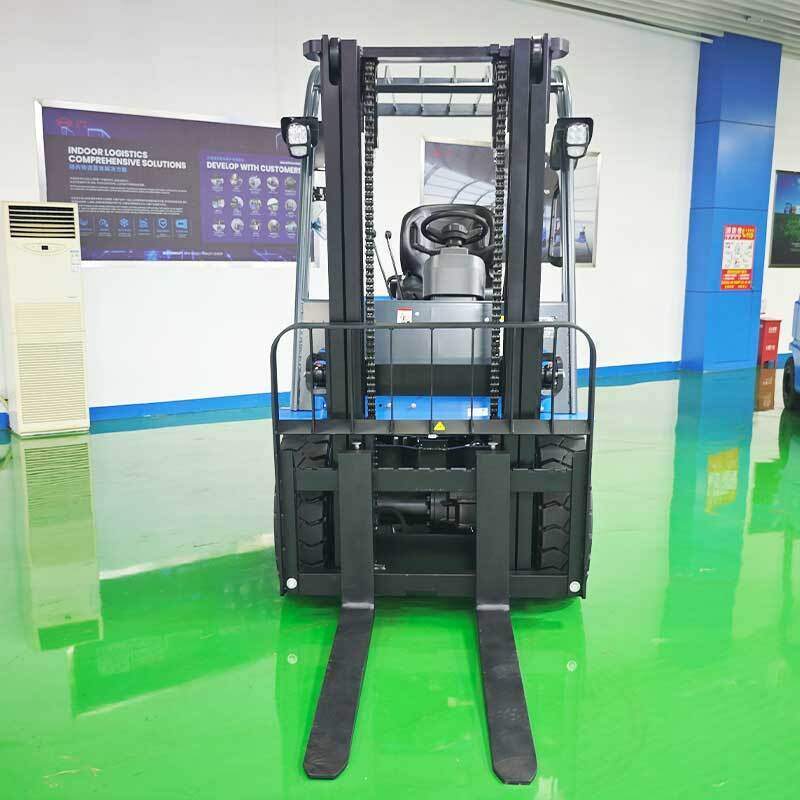
Against the background of growing demand for low-carbon and efficient logistics operations, electric forklifts have become one of the most widely used material handling equipment in modern warehousing scenarios. Compared with internal combustion counterparts, they feature lower noise emission, no tail gas pollution and lower long-term operation cost, which fit the development trend of green logistics well.
Core Performance Features of Modern Electric Forklifts
Most current mainstream electric forklift products use high-efficiency energy storage systems that can support continuous working for 6 to 8 hours under standard load conditions. The rated load weight usually ranges from 1 ton to 5 tons, which can meet the handling demands of most small and medium-sized warehousing, retail distribution and light manufacturing production lines. The adjustable mast height can adapt to different shelf storage heights, bringing higher flexibility for space utilization of the storage area, and supporting enterprises to make full use of existing warehouse space without extra large-scale transformation.
Daily Operation Standard and Safety Notice
Before starting each shift, operators need to conduct basic inspection on the tire condition, brake sensitivity, power level and lifting limit device of the equipment. During the operation process, operators should avoid sudden acceleration, sharp turning and overloading beyond the rated load range, to prevent the risk of cargo slipping or equipment tipping over. When the equipment is running in narrow aisle areas, operators should slow down and pay close attention to surrounding pedestrians and obstacles to reduce the collision probability. After finishing the daily work, operators need to park the equipment in the designated area, pull down the mast to the lowest position, and cut off the power supply completely.
Routine Maintenance Tips to Extend Service Life
Regular cleaning of the dust and accumulated cargo debris on the surface of the body and the operating parts can avoid abnormal wear of moving components. It is recommended to complete the full charge and discharge calibration of the energy storage system every 30 working days, to maintain the stable performance of the battery unit. Operators should also check the lubrication condition of the transmission and lifting parts regularly, and add professional lubricating oil according to the use frequency to reduce unnecessary energy consumption, and keep the equipment running in stable condition for a longer period.


