
 简体中文
 Русский
 Français
 Português
 Español
 لالعربية


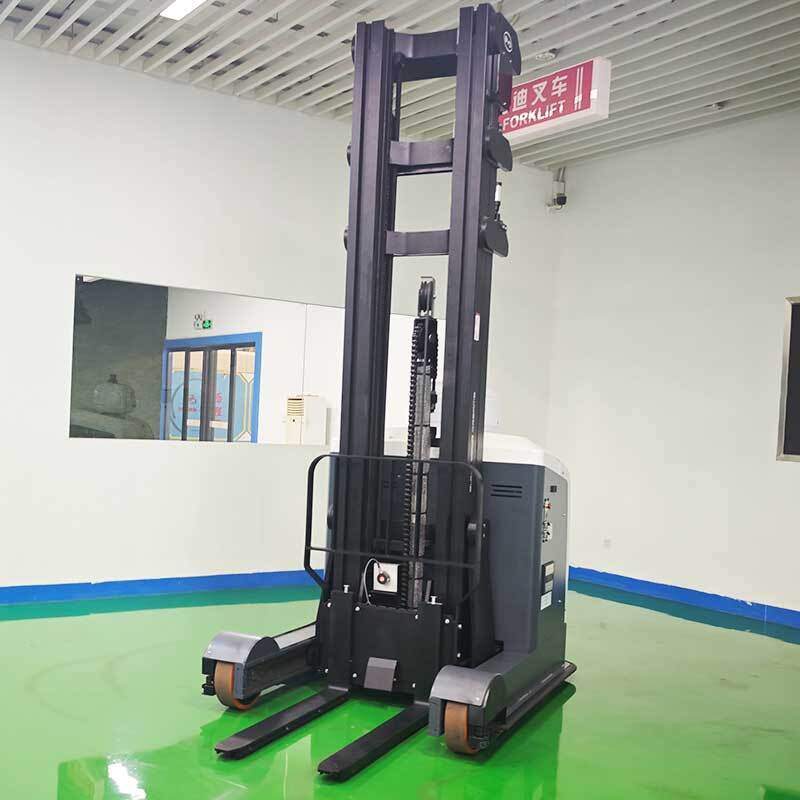
With the continuous popularization of low-carbon material handling solutions across different industrial scenarios, electric forklifts have become one of the most widely applied core logistics equipment in modern warehouse systems. Mastering systematic application rules and operation points can help relevant practitioners give full play to the value of the equipment, reduce unnecessary consumption and support smooth daily operation of logistics links.
Core Functional Advantages of Standard Electric Forklifts
Unlike traditional internal combustion handling equipment, standard electric forklifts rely on stored electrical energy to provide power output, which produces no tail gas emission during the whole working process. Such characteristics make them fully suitable for closed indoor operation scenarios, and the overall noise level during operation is far lower than that of fuel-powered counterparts, which can effectively reduce the interference to staff working in the same warehouse space. The power output regulation system of most electric forklift models adopts smooth adjustment design, which can provide more stable power output when carrying heavy loads, and reduce the shaking of goods on the forks during the handling process.
Routine Maintenance Points for Daily Use
Carrying out standardized daily inspection and maintenance work is a key link to keep the electric forklift in good running state for a long time. Before starting the equipment every day, operators need to check the remaining power level, the wear degree of tire components, the flexibility of the lifting and steering system, and check whether there is abnormal leakage of the internal electrical system. After the daily work is finished, operators should park the equipment in the designated safe area, turn off the power supply completely, and connect the equipment to the corresponding charging facilities according to the specified requirements, to avoid excessive power loss of the energy storage unit which may affect the subsequent service life. It is not recommended to expose the electric forklift to long-term extreme high temperature or low temperature environment without protective measures, as such conditions may cause extra loss to the core power components.
Operation Optimization Strategies to Improve Working Efficiency
Operators can formulate reasonable handling routes according to the actual layout of the warehouse operation area, reduce unnecessary turning and reversing operations during the running process, and properly control the running speed according to the surrounding personnel flow and goods stacking density. When carrying goods of different weights, operators should adjust the fork distance and the backrest inclination angle according to the actual load parameters, to ensure the stability of the goods in the handling process and reduce the risk of accidental falling. Regularly organizing special operation skill training for relevant practitioners can also help the whole team form standardized operation habits, reduce the probability of misoperation, and further improve the overall operation efficiency of the material handling link.


