
 简体中文
 Русский
 Français
 Português
 Español
 لالعربية


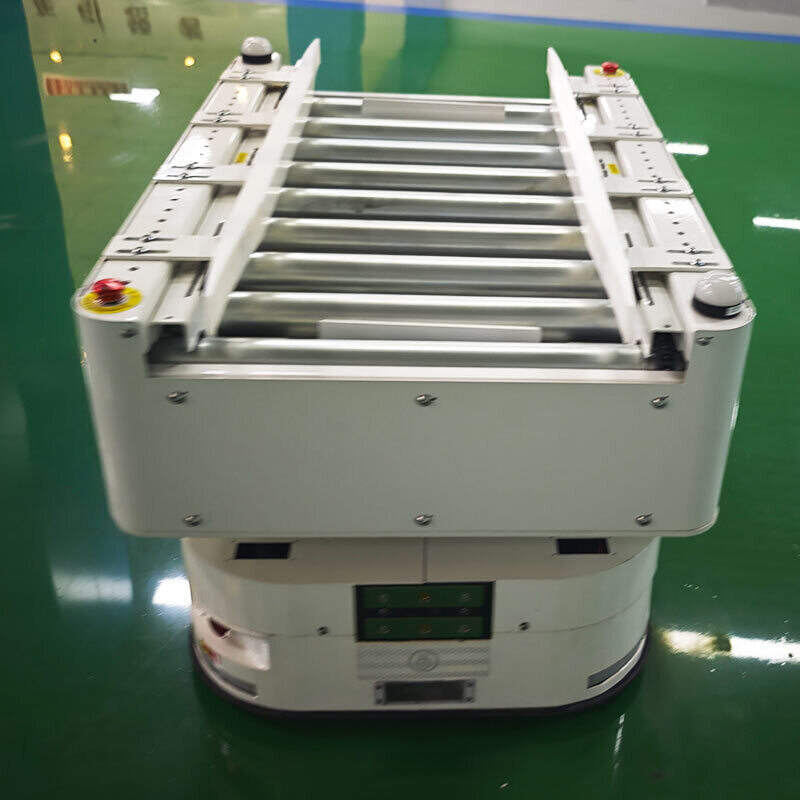
As low-carbon logistics and intelligent warehouse management gain wider popularity across the industrial sector, electric forklifts have become a core piece of material handling equipment for most indoor storage and short-distance cargo transfer scenarios. Mastering standard application rules and operational tips can help teams maximize the value of such equipment in daily work.
Core Pre-operation Inspection Rules
Before starting any operation, operators should complete a full range of basic checks without skipping steps. First, inspect the remaining power level of the power unit, confirm no abnormal leakage or damage on the outer shell of the power module, and check the connection points of the electrical system to make sure there is no loose or exposed wiring. Next, test the flexibility of the braking system, steering mechanism and lifting lever, observe the wear condition of the fork teeth and protective baffle, and clear the operation path of sundries and irrelevant personnel to eliminate potential hidden risks before the formal operation starts.
Standard Daily Operation Specifications
During the operation process, operators should keep the load weight within the rated load range marked on the equipment nameplate, avoid sudden acceleration or sharp steering when carrying heavy cargo, and keep the cargo body at a low position when moving to prevent the goods from falling accidentally. When passing through sloped areas or narrow aisles, operators should adjust the running speed to a safe range, avoid turning or reversing on the slope, and give clear prompts to surrounding personnel through the acousto-optic warning device when the view is blocked.
Routine Maintenance Suggestions
Regular standardized maintenance helps extend the stable service period of electric forklifts and reduce unexpected failure rates. After each daily operation, operators should wipe off the dust and cargo residues on the equipment surface, check the temperature of the power unit after work, and place the equipment in a dry, ventilated and cool designated parking area. It is not recommended to leave the equipment in a fully discharged state for a long time, and arrange professional personnel to conduct regular deep inspection of the internal electrical components according to the actual operation frequency.
Practical Energy Efficiency Optimization Tips
To further reduce the comprehensive usage cost of electric forklifts, the operation team can plan the cargo transfer path reasonably according to the layout of the warehouse, reduce unnecessary long-distance back and forth driving, and turn off the idle power supply in time when the equipment stops waiting for more than 5 minutes. Adjust the operation mode of the equipment according to different load weight and operation scenarios, which can reduce unnecessary power consumption and improve the overall operation efficiency of the whole warehouse.


