
 简体中文
简体中文 Русский
 Français
 Português
 Español
 لالعربية

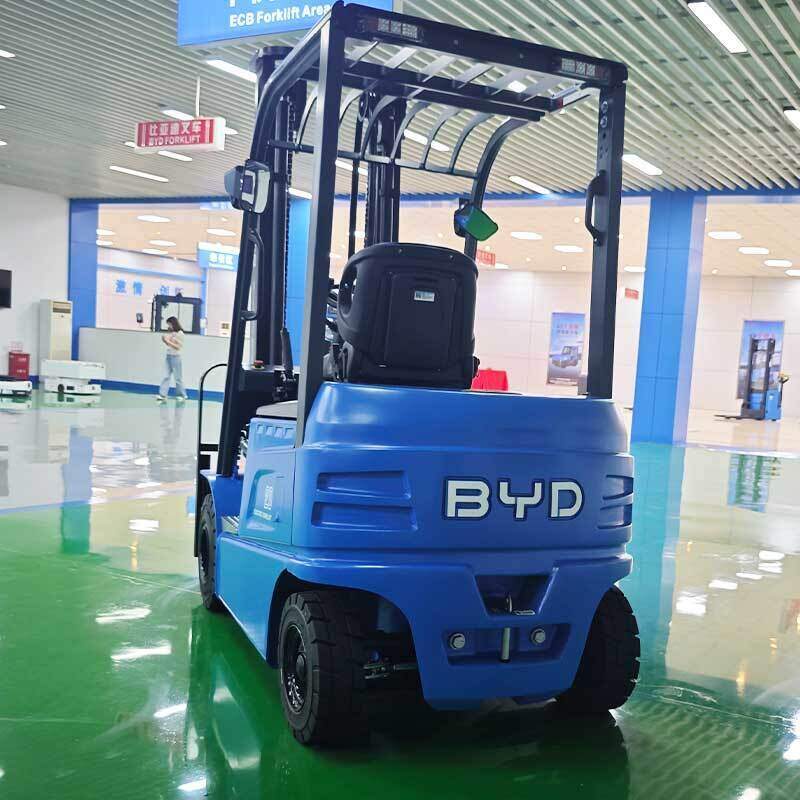
For corporate procurement teams planning to introduce electric forklifts to support daily logistics handling operations, signing a formal and complete purchase agreement is a core link to standardize transaction behaviors and safeguard the legitimate rights and interests of both the buyer and the seller. Among all the clauses in the agreement, content related to product return is often easily overlooked, and unclear agreement on this part is very likely to cause unnecessary disputes when abnormal equipment conditions occur in the subsequent acceptance link.
The first core part that needs to be clarified is the clear scope of return eligibility. Both parties should confirm in written form which scenarios support normal return applications, including equipment that has inherent production defects affecting normal use, equipment performance and parameters that do not match the pre-confirmed technical specifications, and serious functional faults that still cannot be eliminated after multiple professional on-site debugging. At the same time, the scope of exclusion that does not meet the return conditions should also be clearly stated, such as equipment damage caused by improper human operation, unauthorized modification of internal equipment structure, and long-term use beyond the specified load limit.
The second key item to be clarified is the full timeline for return processing. The agreement can specify that the buyer shall submit a formal written return application within the agreed working days after discovering the situation that meets the return conditions, and the seller shall arrange professional personnel to complete on-site condition verification within the specified time after receiving the application. After both parties confirm that the return conditions are met, the seller shall complete the equipment recovery work within the specified time, and the responsible party for the extra storage cost caused by delayed processing shall also be clearly defined to avoid additional cost disputes.
The third part that needs to be clarified is the clear division of various costs involved in the return process. For return scenarios caused by the seller’s responsibility such as equipment quality problems, the logistics cost of recovering the equipment, the handling cost of equipment disassembly and hoisting, shall be fully borne by the seller. For the return application initiated by the buyer without justifiable reasons, the two parties shall clarify the reasonable calculation standard for equipment depreciation and the proportion of the restocking fee in advance, so as to avoid inconsistent cognition on the amount of deduction.
Finally, the follow-up arrangements after the return is confirmed also need to be clearly specified. It can be agreed that after the seller recovers the returned forklift equipment, the corresponding payment shall be returned to the buyer’s designated account within the agreed working days, and the situation of malicious arrears of refund shall be restricted. If the buyer has the demand for supplementary alternative equipment during the transition period, the seller shall also cooperate to provide feasible solutions as much as possible, so as to minimize the impact of the return incident on the normal operation of the buyer’s logistics handling work.
By clarifying all the above terms before signing the agreement, both parties can form a full and clear consensus on all possible abnormal scenarios, effectively reduce unnecessary transaction frictions, and lay a solid foundation for a mutually trusted long-term cooperative relationship.


