
 简体中文
简体中文 Русский
 Français
 Português
 Español
 لالعربية

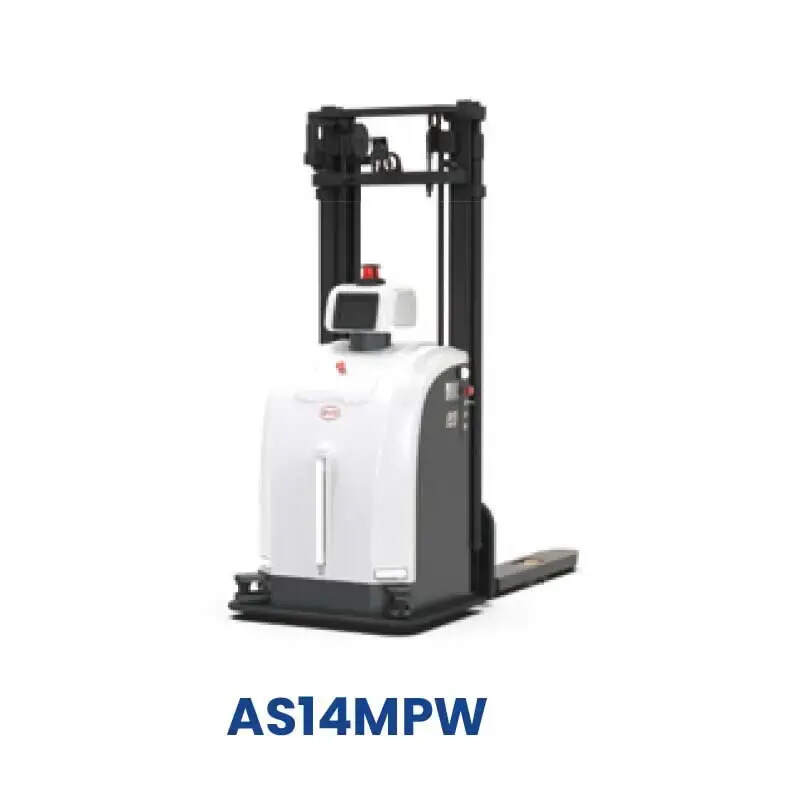
In high-foot-traffic warehouse scenarios, mixed movement of electric forklifts, manual handling staff and temporary visitors easily leads to accidental scratches, low passing efficiency and unplanned operation delays. Standardized traffic lane marking for electric forklifts is one of the most cost-effective measures to solve these hidden risks, and the whole process can be carried out in four logical steps without interrupting normal warehouse operation.
Before formal marking, complete full-range site survey first. Count the daily operation frequency of electric forklifts, sort out the fixed travel paths connecting unloading platforms, high-level storage areas and delivery zones, mark the positions of all emergency exits, fire facilities and pedestrian centralized operation areas such as packaging stations and sorting stations on the ground drawing. Reserve enough space for the turning and safe passing of electric forklifts, make sure the planned lane will not block any emergency access, and keep a clear safety distance between the edge of forklift lanes and pedestrian working areas.
Choose proper marking materials and colors to guarantee long-term identification effect. Select wear-resistant, skid-proof materials with strong adhesion to the ground, which can keep clear even after thousands of times of electric forklift rolling and frequent ground cleaning. Use high-visibility color to paint the forklift lanes, and make obvious color difference between forklift lanes and pedestrian access lanes, no color confusion will happen even in low light storage areas. The edge of all painted lines should be neat and smooth, avoiding blurred traces that are hard to recognize after dust accumulation.
Add supporting warning signs at key nodes. Paste obvious reminder signs at all intersections, lane entrances and turning points of electric forklift lanes, to inform all operation staff to avoid striding into the forklift driving area without permission. Install auxiliary wide-angle mirrors at the turning sections with sight blind spots, to help forklift operators notice pedestrians or incoming vehicles in advance. It is also suggested to mark the direction of travel along the lanes, so that forklift drivers can follow the unified traffic order without opposite driving conflicts.
Set up regular maintenance and inspection rules after all marking work is finished. Check the definition of all lane lines once a week, replenish the worn lines in time, and clear the goods stacked on the forklift lanes without permission. Organize all relevant staff to receive traffic rule training, make sure every forklift operator and on-site worker know the division of lanes. You can also make tiny adjustment for the lane path according to the change of warehouse operation flow, to keep the marking scheme always fit the actual operation demand. A scientific and reasonable forklift lane marking system can effectively reduce the occurrence of safety accidents, and improve the overall operation efficiency of the warehouse for long-term stable operation.


