
 简体中文
简体中文 Русский
 Français
 Português
 Español
 لالعربية

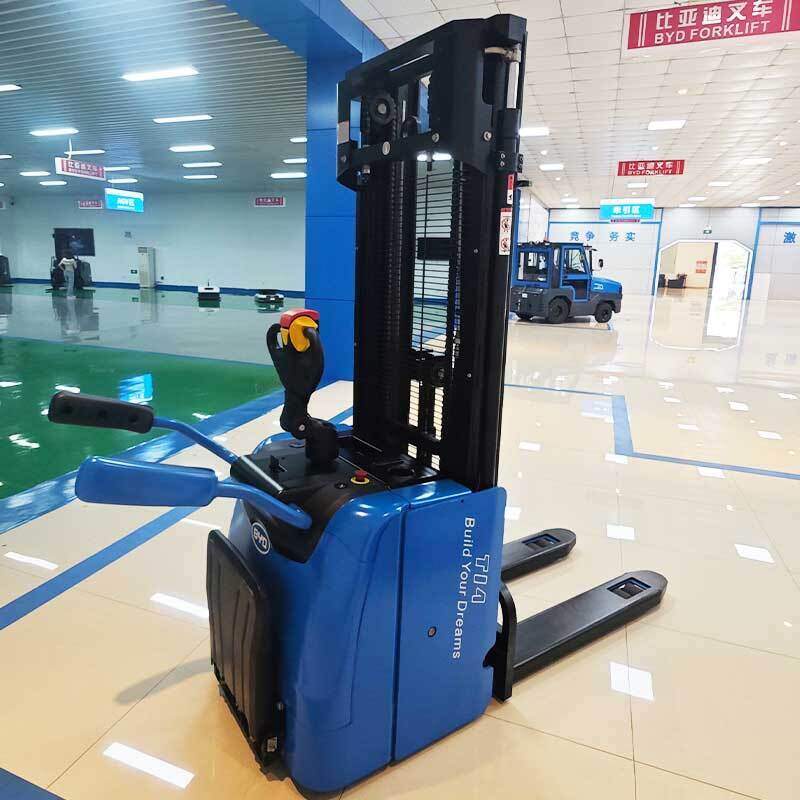
The traditional lead-acid batteries commonly used in the electric forklift industry in the early years have long-term pain points such as long charging time, short cycle life, and poor low temperature performance. Many warehousing, operation and maintenance personnel need to spend a lot of time to complete daily maintenance work such as water replenishment and voltage balancing. During peak operation periods when orders are concentrated, it is also prone to the problem of insufficient power and half-way shutdown, which directly slows down the overall handling rhythm.
With the rapid implementation of power energy storage-related technologies, a new generation of electric forklift battery solutions is gradually becoming popular. First, the energy density has been greatly improved, and the power reserve at the same volume is nearly 60% higher than that of the previous generation. The battery life after full power can cover 8 to 10 hours of full load operation, which can fully meet the uninterrupted handling needs of single or even double shifts. Many factories are also equipped with a power exchange structure, which can complete battery replacement in 2 minutes, completely eliminating the anxiety of replenishment.
Secondly, the optimization of charging efficiency is also very prominent. The adapted fast charging solution can achieve 80% of the power in one hour, even if it is temporarily replenished during work breaks such as lunch breaks, it will not delay the normal work progress at all. In addition, the intelligent management system equipped with the new generation of batteries can monitor the running status of each group of batteries in real time, and the overcharge, overdischarge, and overtemperature protection are covered in all dimensions. It does not require frequent daily maintenance like traditional lead-acid batteries, and the average annual operation and maintenance cost is reduced by more than 70%.
According to the feedback from many first-line operators, the power output of electric forklifts equipped with new batteries is smoother, and there will be no sudden drop in power when the power is insufficient in the later stage. The long-term high-load lifting and steering remain stable, and the operation comfort and overall operation efficiency have been significantly improved. In the future, with the further maturation of related technologies, more customized battery solutions suitable for different extreme scenarios will be implemented, further broadening the use boundaries of electric forklifts, and bringing a more cost-effective experience to users in various industrial handling scenarios.


