
 English
 简体中文
简体中文 Русский
 Português
 Español
 لالعربية

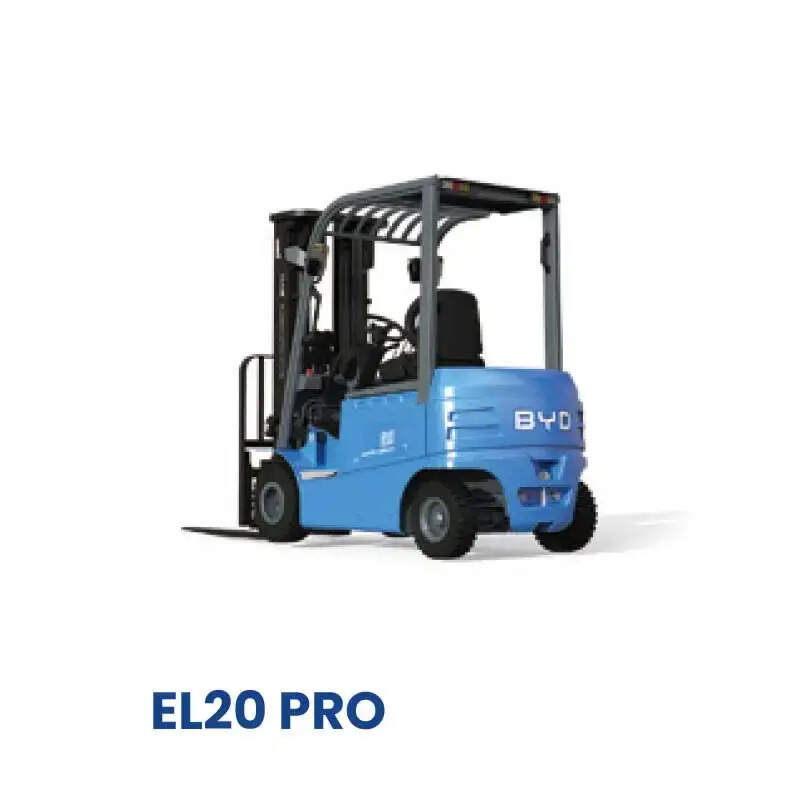
As the core equipment for indoor and closed-site material handling, electric forklifts are widely applied in modern warehouse, manufacturing logistics and distribution scenarios. Reasonable operation and proper management can effectively reduce overall operation cost, lower equipment failure rate, and bring more stable output for daily handling work.
Pre-operation Standard Inspection Procedures
Before each shift starts, operators need to complete a full range of non-starting checks first, including checking the tire wear condition, brake flexibility, power connection tightness, and the normal display state of the instrument panel. Operators also need to confirm that there is no obvious damage of internal lines, no foreign matters blocking the moving parts of the gantry, and the surrounding working area has no hidden obstacles that may cause collision risk. These basic checks usually take no more than 5 minutes, and can avoid most sudden failures that may occur in subsequent operation.
Routine Low-cost Maintenance Rules
Daily maintenance of electric forklifts does not require overly complex professional operations. After each shift, operators only need to wipe the dust on the body surface, clean the sundries stuck on the tire tread, charge the power supply according to the specified requirements, and place the equipment in a dry and ventilated designated parking area. For parts that need regular lubrication, arrange professional personnel to add special lubricant according to the specified cycle, avoid long-term overload operation that exceeds the rated load range, these measures can effectively extend the service life of the core components of the equipment.
Energy Efficiency Promotion Strategies
To make full use of the power storage capacity of electric forklifts, operators can plan the handling route in advance before the operation starts, reduce unnecessary repeated turning and short-distance empty driving, avoid frequent sudden acceleration and sudden deceleration in the process of moving, which can effectively reduce unnecessary power consumption. For different weight of goods, choose the appropriate operation gear, keep the running speed within a safe and stable range, which can increase the single shift working duration of the equipment to a certain extent, and reduce the frequency of supplementary charging in the work cycle.
Long-term Use Risk Avoidance Tips
In the daily use process, operation teams can arrange regular professional skill training for staff, so that all personnel can master the correct operation logic, avoid improper operation behavior that may cause hidden damage to the equipment. Establish simple use log records, track the daily operation time and failure record of each equipment, arrange targeted inspection and maintenance according to the actual use intensity, which can keep the electric forklift in a good working state for a long period.


