
 English
 简体中文
 Русский
 Português
 Español
 لالعربية


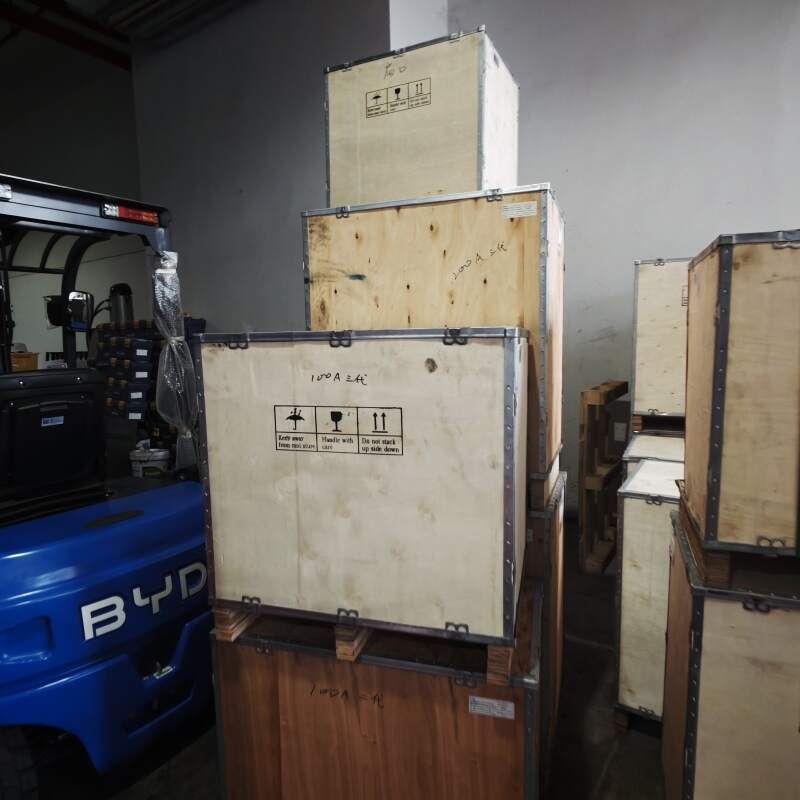
With the rapid development of low-carbon logistics and indoor warehousing industry, electric forklifts have become one of the most widely used material handling equipment in various industrial scenarios. Mastering correct use and maintenance rules can help operators obtain more stable operation performance and extend the service life of the equipment without extra unnecessary cost input.
Core Pre-operation Check Norms
Before starting each operation cycle, operators are advised to complete necessary basic checks instead of directly starting the vehicle for heavy load tasks. The check scope covers remaining battery level, brake response sensitivity, steering system flexibility, surface integrity of forks, and clear condition of the surrounding working area. Operators can remove small hidden risks found in the check stage in time, which effectively avoids sudden equipment shutdown during the handling process that may cause work delay or unnecessary safety risks.
Scientific Daily Operation Principles
During the formal operation process, operators need to strictly follow the rated load parameter of the equipment, and avoid overloading the forklift for long-time continuous tasks. When lifting or lowering the forks, keep the operation stable and gentle to prevent the goods from falling off accidentally. It is also recommended to control the driving speed at a low and stable level in narrow warehouse aisles, and send out reminder signals in advance when there are other staff nearby. When the equipment needs to stop for more than 10 minutes, operators can turn off the power supply properly to reduce unnecessary power consumption.
Routine Maintenance and Care Tips
For daily maintenance, the power battery should be charged in a dry and ventilated environment in line with the official operation instructions, and users are suggested to avoid over-discharging the battery to affect its overall performance. Operators can clean the dust and residual sundries on the body surface regularly, check the sealing condition of the hydraulic system, and lubricate the movable connection joints on a fixed cycle. It is not recommended for non-professional personnel to disassemble the core components of the equipment without permission, and arranging professional technicians to conduct in-depth inspection every certain cycle can help maintain the equipment in a good running state for a long time.


