
 English
 简体中文
 Русский
 Français
 Português
 لالعربية


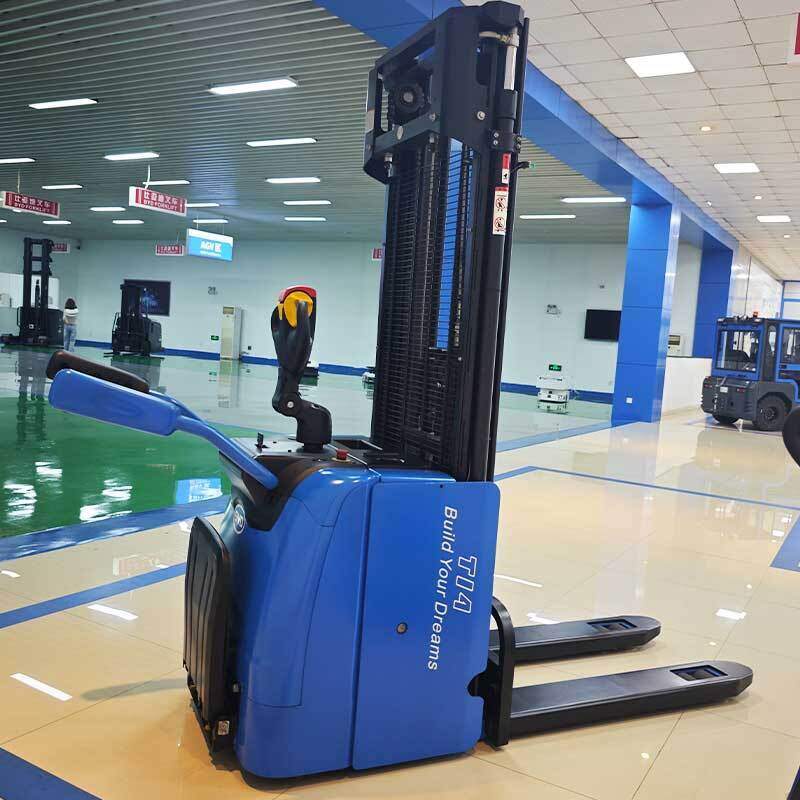
As low-carbon logistics and standardized warehouse management concepts gain wider popularity across the global material handling sector, electric forklifts have become one of the most widely applied core equipment for indoor and low-emission operation scenarios. Mastering systematic operation and maintenance knowledge can help relevant staff give full play to the performance of such equipment while avoiding unnecessary operation risks.
Core Operation Specifications for Daily Use
Before each startup, operators need to complete basic inspection work including checking the remaining power level of the power pack, the flexibility of the steering and braking system, and the integrity of the load forks and safety guard. During the operation process, staff should keep the running speed within the specified range according to the site road condition, load weight and surrounding pedestrian distribution, avoid sudden braking, sharp turning and overloading operations that may cause damage to the equipment or potential safety hazards. When stacking and picking up goods, operators need to keep the load center within the allowable range marked on the equipment nameplate, avoid lifting the forks to excessive height during moving process to keep the vehicle’s center of gravity stable.
Routine Maintenance to Extend Service Life
Different from internal combustion forklifts, the core maintenance focus of electric forklifts lies in the daily care of the power system and electrical components. Operators should wipe the surface of the power unit regularly to avoid the accumulation of dust and sundries that may affect heat dissipation, and complete standardized charging operations according to the specified charging procedures, avoid over-discharging and long-term idle state with insufficient power. It is also necessary to regularly check the wear condition of walking wheels and transmission parts, add appropriate amount of lubricating oil to the movable connection positions on schedule, and arrange professional technical personnel to troubleshoot hidden problems once abnormal sound or response delay appears in the control system.
Scenario-based Efficiency Improvement Tips
For different operation scenarios such as narrow aisle warehouse, loading and unloading of platform goods, and long-distance material transfer in the factory area, operators can adjust the operation mode of the equipment appropriately to match the actual work demand. For long-term high-intensity operation scenarios, enterprises can arrange reasonable shift handover and charging scheduling plans, to avoid the situation that the operation progress is affected by sudden power shortage. Regularly organizing operation skill training for relevant staff can effectively reduce the misoperation rate, further improve the overall operation efficiency of the material handling link.


